
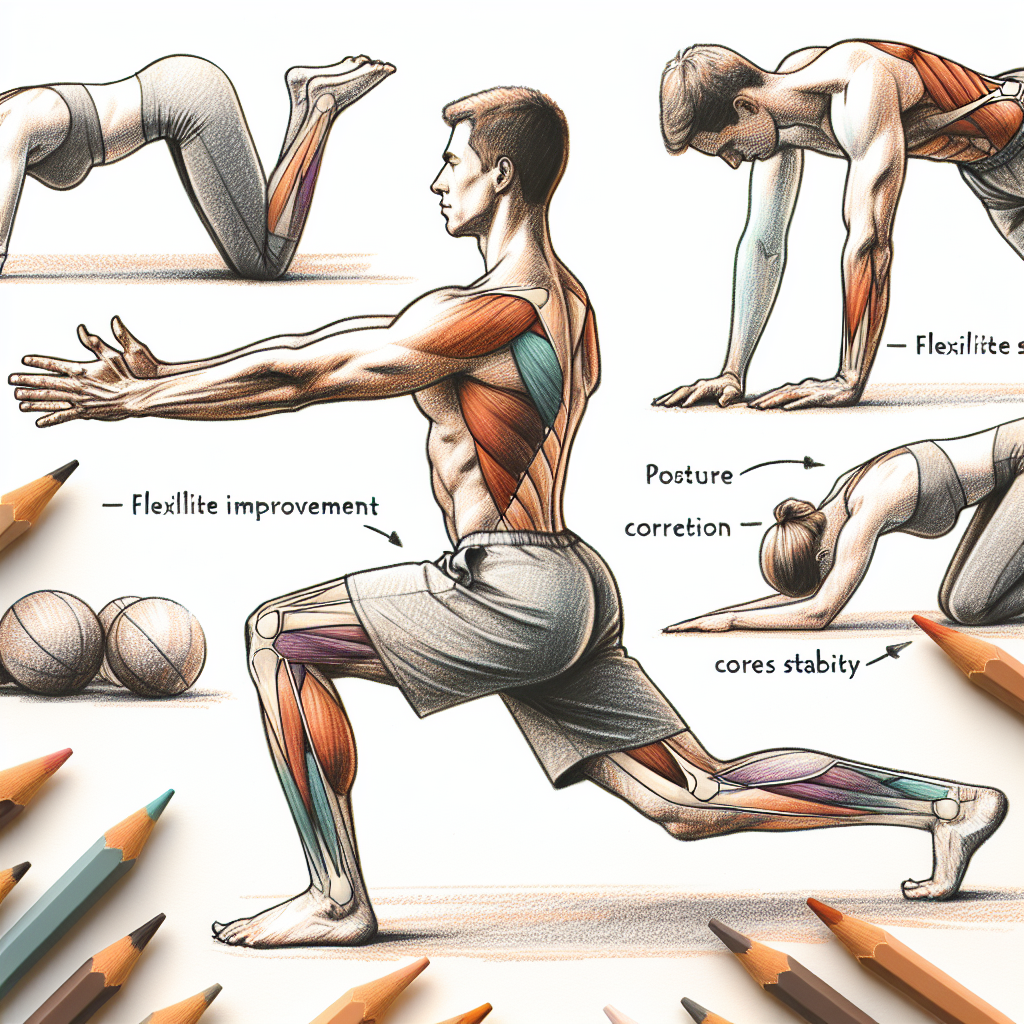
Maintaining a healthy back is essential for overall well-being. Unfortunately, many individuals experience back discomfort due to sedentary lifestyles, poor posture, or lack of physical activity. Engaging in targeted exercises without the need for equipment can significantly strengthen the back muscles, improve flexibility, and enhance posture. In this article, we will explore some of the best exercises for your back that require no equipment and provide guidance on how to incorporate them into your daily routine.
- Introduction
- Understanding the Importance of Back Health
- Effective Back Exercises Without Equipment
- Practical Steps to Implement These Exercises
- When to Consult a Professional
- Common Myths and Mistakes
- Frequently Asked Questions
- Conclusion
Understanding the Importance of Back Health
The back constitutes a complex structure comprising muscles, ligaments, tendons, and bones, all of which must work harmoniously for optimal function. Good back health is crucial, as it supports the body’s posture and movement, facilitates daily activities, and significantly impacts one’s quality of life. Weak back muscles can lead to poor posture, chronic pain, and decreased mobility. Prioritizing back exercises without equipment can help individuals of all fitness levels achieve stronger, healthier backs.
Effective Back Exercises Without Equipment
The Cat-Cow Stretch
This exercise enhances flexibility in the spine and stretches the back muscles. Transitioning between these two positions mobilizes the spine effectively.
Bird-Dog
The Bird-Dog is excellent for improving core stability while strengthening the muscles of the lower back and glutes.
Superman Exercise
The Superman strengthens the lower back. It also targets the glutes and shoulders, promoting overall back strength.
Glute Bridge
This movement engages the gluteal muscles, which play a vital role in stabilizing the lower back region.
Child’s Pose
Child’s Pose is a restorative stretch that alleviates tension along the spine, providing a gentle way to relieve back pain.
Practical Steps to Implement These Exercises
Incorporating back exercises into your daily routine can be straightforward. Follow these practical steps to ensure effective execution:
- Begin with a warm-up such as gentle stretching to prepare your muscles.
- Choose three to five exercises from the list above.
- Perform each exercise for 30 seconds to one minute, focusing on form and control.
- Allow a brief rest of 15 seconds between exercises.
- Repeat the circuit two to three times, depending on your fitness level.
- Cool down with light stretching to enhance flexibility.
For those seeking a more structured routine, consider a 30-day exercise program that requires only six minutes a day yet yields gym-like results. You can register for free here.
When to Consult a Professional
While engaging in back exercises is beneficial, certain situations warrant the attention of a medical professional. Seek assistance if you experience:
- Persistent or worsening pain, especially radiating down the legs.
- Sudden onset of back pain after an injury or fall.
- Symptoms of numbness or weakness in your legs or arms.
- A noticeable change in bowel or bladder control.
- Difficulty walking or maintaining balance.
- Pain that interferes with daily activities or sleep.
Common Myths and Mistakes
As with any fitness routine, various myths and misconceptions abound concerning back exercises. It’s crucial to debunk these for better awareness:
- Myth: Lifting weights is the only way to strengthen the back. Truth: Bodyweight exercises can effectively build strength.
- Myth: Stretching is unnecessary before workouts. Truth: Proper warm-up and stretching reduce injury risk and enhance performance.
- Myth: All back pain is serious and requires immediate medical intervention. Truth: Many instances of back pain are self-limiting and can be managed with appropriate exercises.
- Mistake: Overtraining can lead to more harm than good. Advice: Incorporate rest days to allow muscles to recover.
Frequently Asked Questions
Can I perform these exercises if I have an existing back injury?
It is crucial to consult with a healthcare professional before starting any exercise regimen, especially if you have a current back injury.
How often should I perform these back exercises?
Aiming for at least three to four times per week is beneficial, but listen to your body and adjust accordingly.
How long will it take to see results?
Results may vary by individual; consistent practice over a few weeks typically reveals improvements in strength and flexibility.
Do I need specific clothing or space to perform these exercises?
Comfortable clothing and a little bit of room are often all you need. Consider using a yoga mat for added comfort on hard surfaces.
Are these exercises appropriate for older adults?
Yes, as long as there are no contraindications; these exercises can be adapted for older adults by modifying range of motion and intensity.
Can these exercises help with poor posture?
Yes, strengthening the back and core significantly contributes to improved posture, which can mitigate back pain.
Conclusion
- Regular back exercises are essential for maintaining a healthy spine.
- Bodyweight exercises can effectively strengthen back muscles without the need for equipment.
- Incorporating these exercises into your daily routine can enhance flexibility and posture.
- Consult a professional when facing persistent or severe back pain.
- Debunking common myths can help you approach your fitness journey with clarity and confidence.
Take charge of your back health today by incorporating these exercises into your routine. For a comprehensive program that delivers gym-like results without extensive time commitments, consider registering for the free 30-day exercise program at this link. Your journey to a stronger back begins now!
Author: John Angel