
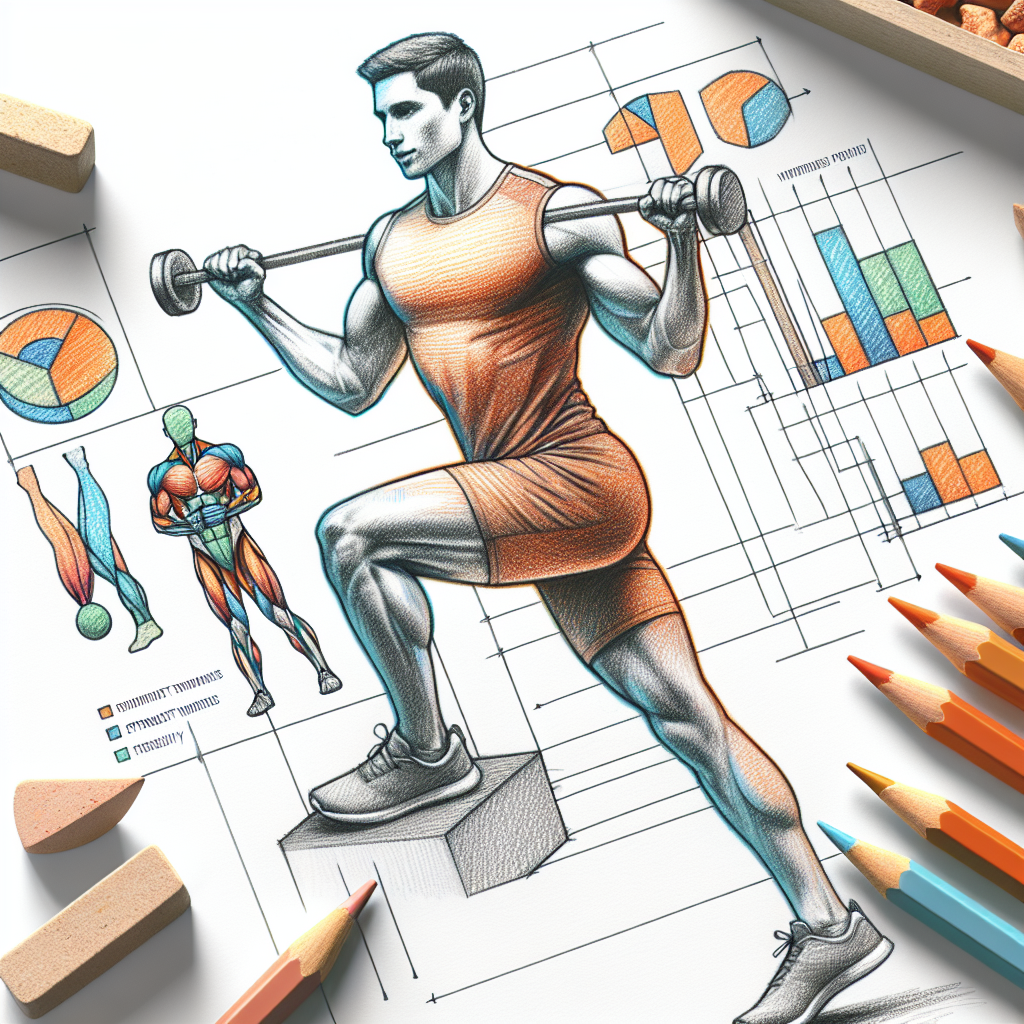
In today’s fast-paced world, finding time for effective workouts can be challenging, especially for those without access to a gym or weights. Fortunately, numerous high-impact exercises can be performed using one’s body weight, providing an excellent way to enhance strength, flexibility, and endurance. This article delves into the benefits of weight-free workouts, outlines effective routines, and offers practical advice for maximizing your fitness potential—no gym required.
- Introduction
- The Benefits of Bodyweight Exercises
- Effective Bodyweight Workouts
- Creating a Balanced Routine
- When to Consult a Professional
- Common Myths About Bodyweight Training
- Frequently Asked Questions
- Conclusion
The Benefits of Bodyweight Exercises
Bodyweight exercises harness the individual’s weight for resistance, allowing for a range of movements that engage multiple muscle groups. The advantages of such workouts include:
- Accessibility: No equipment is required, making it easy to exercise anywhere, anytime.
- Cost-Effective: Eliminating gym fees or equipment costs saves money while achieving fitness goals.
- Strength and Flexibility: These exercises can enhance overall strength, core stability, and flexibility.
- Functional Fitness: They mimic real-life movements, improving daily functional tasks and overall mobility.
Effective Bodyweight Workouts
Below are several effective bodyweight exercises that can be integrated into a comprehensive fitness routine.
Push-Ups
A fundamental exercise that targets the chest, shoulders, and triceps while engaging the core and lower body.
Squats
Squats effectively strengthen the quadriceps, hamstrings, and glutes, supporting lower body strength and stability.
Plank
An excellent core-strengthening exercise that promotes stability and engages multiple muscle groups.
Lunges
These target the legs and glutes, enhancing balance and coordination while improving lower body strength.
Burpees
This total-body exercise combines a squat, push-up, and vertical jump, elevating heart rate and promoting cardiovascular fitness.
Creating a Balanced Routine
To ensure a well-rounded approach to bodyweight training, it is important to create a balanced routine that incorporates flexibility, strength, and cardiovascular training. Consider the following guidelines:
- Warm-Up: Start with dynamic stretching or light cardio for 5-10 minutes to prepare the muscles.
- Strength Training: Incorporate 3-4 bodyweight exercises targeting different muscle groups.
- Skill Work: Add movements that challenge your coordination and balance, such as one-legged squats.
- Cardio: Include high-intensity intervals or a circuit of exercises (like burpees) to elevate the heart rate.
- Cool Down: End with static stretching to enhance flexibility and promote recovery.
For those looking for a structured approach, consider exploring a 30-day exercise program that allows you to work out for just six minutes each day while achieving results comparable to conventional workouts. For more information, visit this registration link.
When to Consult a Professional
While bodyweight exercises can benefit most individuals, it is crucial to consult a qualified professional if:
- There are existing health issues, injuries, or chronic pain that could be exacerbated by exercise.
- There are concerns regarding proper form and technique, which could lead to injury.
- Physical changes or stressors prevent normal activity levels or contribute to ongoing fatigue.
Common Myths About Bodyweight Training
Despite the growing popularity of bodyweight exercises, misconceptions persist. Here are some common myths clarified:
- Myth 1: Bodyweight training is ineffective for building muscle. Fact: When performed correctly, bodyweight exercises can be highly effective for muscle building.
- Myth 2: You need weights to get fit. Fact: Bodyweight exercises can effectively improve strength, cardiovascular fitness, and flexibility.
- Myth 3: Bodyweight training does not require a structured program. Fact: Structure and progression are essential for achieving fitness goals.
Frequently Asked Questions
Can I build muscle without weights?
Yes, bodyweight exercises can effectively build muscle and improve strength when performed with the right intensity and volume.
How often should I do bodyweight workouts?
Aim for at least three to five times per week, alternating muscle groups to allow adequate recovery between workouts.
What if I’m a beginner?
Start with basic exercises, focus on form, and gradually increase intensity and complexity as you gain confidence and strength.
Are bodyweight exercises safe for everyone?
Generally, yes, but consult a medical professional if you have pre-existing conditions or concerns before starting a new exercise program.
How long should my workouts be?
Even short 6-minute workouts can be effective when performed vigorously and consistently. Aim for longer sessions as you progress.
Can I lose weight with bodyweight exercises?
Yes, bodyweight exercises can contribute to weight loss, especially when combined with a balanced diet and regular activity.
Conclusion
- Bodyweight workouts are accessible and effective for enhancing strength, flexibility, and overall fitness.
- Creating a structured routine is key to maximizing results from bodyweight exercises.
- Consult a professional if you have injury concerns or need guidance on proper technique.
- Myths surrounding bodyweight training can hinder progress—understanding the truth can empower better choices.
- Consider trying a structured program, such as the 30-day exercise plan, to enhance your fitness journey.
Take the first step today toward a healthier lifestyle with bodyweight exercises, and explore the benefits they offer. Your body is your best tool—use it effectively!
Author: John Angel