
Introduction
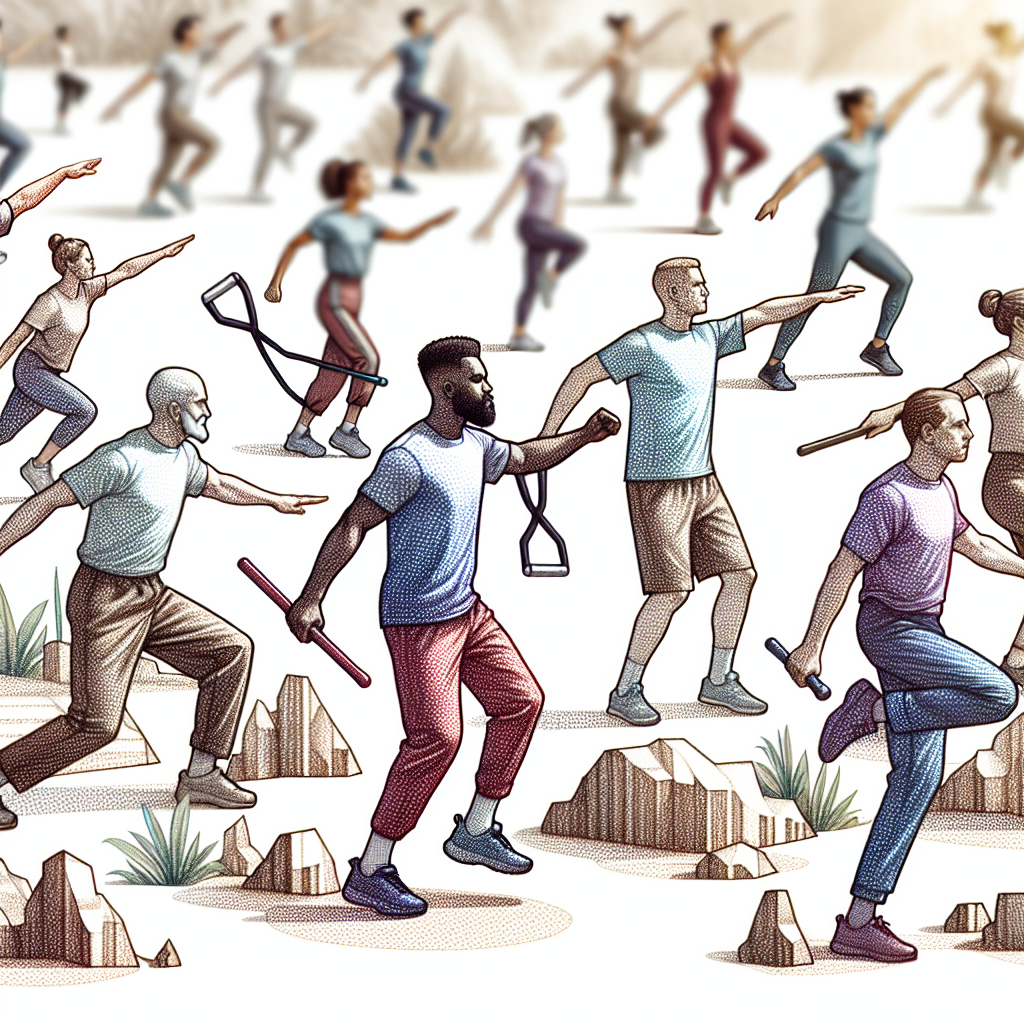
For many individuals, the prospect of starting a workout routine can evoke a sense of trepidation, particularly when considering gym memberships or complicated equipment. However, an effective no equipment workout plan can provide a viable alternative that emphasizes convenience and accessibility. This article aims to guide beginners in establishing a consistent fitness routine that requires no specialized equipment, making it easier to integrate physical activity into daily life. The benefits of this form of exercise extend beyond physical health, encompassing mental well-being and confidence as well.
- An Overview of No Equipment Workouts
- Essential Beginner Exercises
- Creating a Balanced Routine
- Common Misconceptions
- When to Seek Professional Guidance
- FAQ Section
- Conclusion and Call to Action
An Overview of No Equipment Workouts
No equipment workouts leverage the body’s weight to create resistance, enabling full-body conditioning without the need for weights or gym machinery. Such routines can include exercises like push-ups, squats, lunges, and planks, which are effective in building strength and endurance.
This approach is particularly beneficial for beginners who may feel intimidated by traditional gym settings. By concentrating on bodyweight exercises, individuals can focus on developing proper form and technique, laying a solid foundation for future fitness endeavors.
Essential Beginner Exercises
Foundation Exercises
To kickstart your no equipment workout regime, the following foundational exercises can be performed anywhere, anytime:
- Push-Ups: Targets the chest, shoulders, and triceps. Start on your knees if a full push-up is too challenging.
- Bodyweight Squats: Works the lower body, particularly the quadriceps and hamstrings. Maintain good form by keeping your back straight.
- Lunges: Engages the glutes and thighs. Alternate legs for a complete lower body workout.
- Plank: Strengthens the core. Hold this position, ensuring your body forms a straight line from head to heels.
Stretching and Mobility
Incorporating stretching into your routine is crucial for maintaining flexibility and preventing injuries. Consider adding these basic stretches:
- Forward Bend: Loosens the back and hamstrings. Bend at the hips, reaching for the ground.
- Cobra Stretch: Opens the chest and engages the core. Lie face down and push up with your hands, lifting your torso.
Creating a Balanced Routine
A well-rounded no equipment workout plan should address various fitness components, including strength, endurance, and flexibility. A sample weekly plan for beginners could look like this:
- Day 1: Full-body workout focusing on foundational exercises.
- Day 2: Cardio (running, jumping jacks, or high knees for 15-20 minutes).
- Day 3: Rest day or light stretching.
- Day 4: Lower body workout with squats and lunges.
- Day 5: Core workout focusing on planks and twists.
- Day 6: Cardio again, aiming for increasing intensity.
- Day 7: Rest day.
For those looking for a structured approach, consider exploring a comprehensive program such as the 30-day exercise program, where you can achieve remarkable results with only six minutes of daily exercise.
Common Misconceptions
Despite the advantages of no equipment workouts, several common myths may prevent individuals from fully embracing this approach:
- Myth 1: “I need gym equipment to get results.” – Bodyweight exercises can be equally effective in achieving fitness goals.
- Myth 2: “I must work out for long periods.” – Short, high-intensity workouts can yield excellent results.
- Myth 3: “Only gym-goers can build muscle.” – Consistent bodyweight training can also help in muscle development.
When to Seek Professional Guidance
It is essential to recognize the situations in which professional assistance may be beneficial:
- If you experience persistent pain during exercise.
- If you have underlying health conditions that could affect your ability to exercise.
- When unsure of the correct form for specific exercises, leading to risk of injury.
- If you have difficulty maintaining consistency in your workout routine.
FAQ Section
What type of workouts can I do without equipment?
Bodyweight exercises like push-ups, squats, lunges, and planks are effective choices.
How often should I work out with no equipment?
Beginners can aim for at least three to five sessions per week, incorporating rest days.
Will I see results without weights?
Yes, consistent bodyweight training can lead to improved strength, endurance, and overall fitness.
How long should a no equipment workout last?
Short, high-intensity workouts of 15-30 minutes can be very effective.
What if I find the exercises too challenging?
Start with modified versions of the exercises, such as knee push-ups or assisted squats, and gradually build strength.
Can I lose weight with no equipment workouts?
Yes, when combined with a balanced diet, bodyweight workouts can facilitate weight loss.
Conclusion
- No equipment workouts are an accessible way for beginners to start their fitness journey.
- Various effective exercises can be performed anywhere, fostering consistency.
- Creating a balanced routine is essential for overall fitness gains.
- Myths surrounding bodyweight training should not deter individuals from its benefits.
- Professional guidance may be necessary under specific circumstances.
As you embark on this journey, consider integrating short yet effective workouts into your daily routine. For an engaging structured program, you can visit the 30-day exercise program and experience the advantages of focused daily exercise.
Author: John Angel