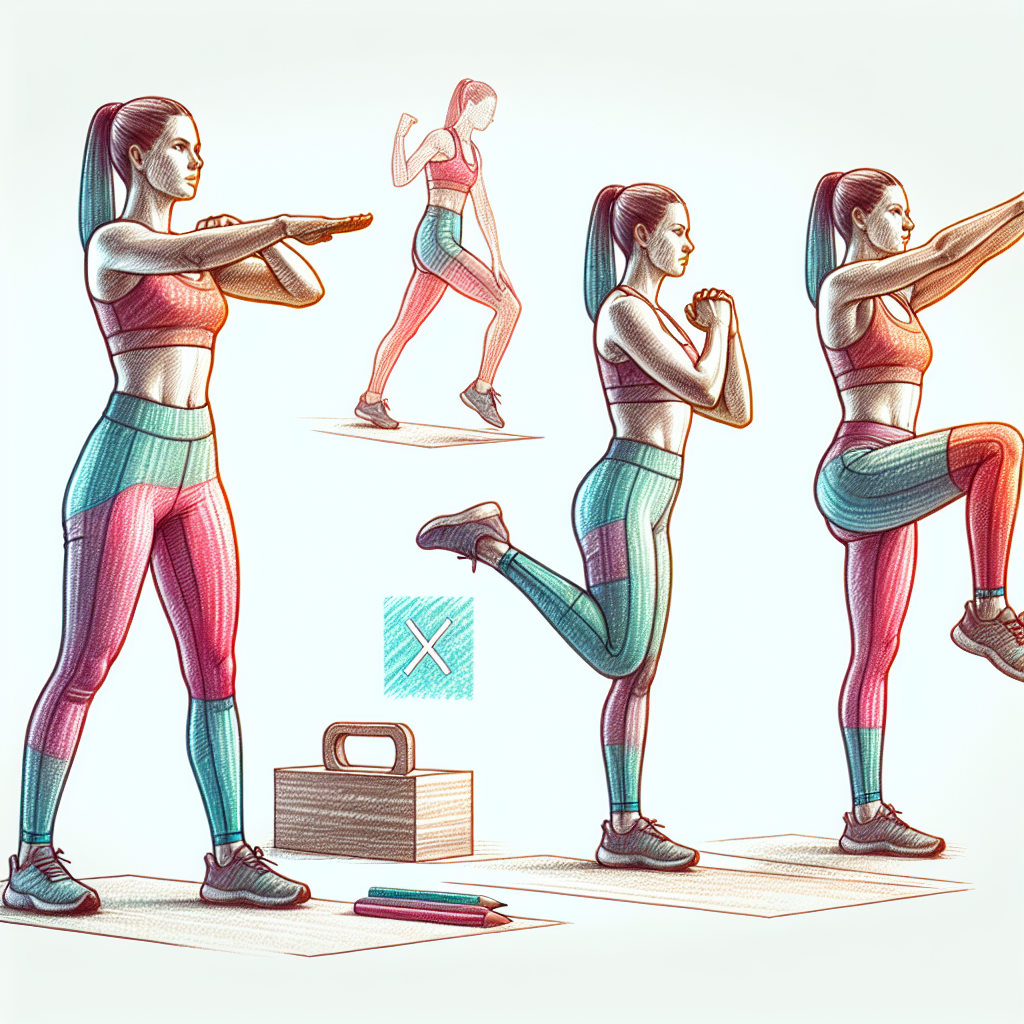
Beginning a weight loss journey can be daunting, especially for those who are unsure where to start or lack access to equipment. An effective workout plan tailored for beginners can be done with minimal resources, allowing individuals to focus on their health and fitness without intimidation. This article presents a structured weight loss workout plan that requires no equipment, promoting accessibility and sustainability in one’s fitness routine.
- Understanding Beginner Requirements
- Creating Your Workout Schedule
- Essential Bodyweight Exercises
- Sample 4-Week Workout Plan
- When to Seek Professional Guidance
- Common Misconceptions about Weight Loss
- FAQs
- Conclusion
Understanding Beginner Requirements
For those embarking on a weight loss journey, understanding personal capabilities, goals, and limitations is crucial. A foundational aspect of any workout plan is to foster a gradual buildup of endurance and strength. This is particularly significant for beginners who may experience fatigue or discomfort when commencing a new fitness routine.
Setting Realistic Goals
It is essential to set achievable and measurable goals. Tracking weight changes, energy levels, and overall fitness will help maintain motivation and provide a clear indicator of progress. Consider starting with short-term goals, such as exercising consistently for one month, to build confidence and foster long-term success.
Creating Your Workout Schedule
Formulating a workout schedule is pivotal in establishing a routine that includes consistent physical activity. The following steps can assist in developing a practical plan:
- Allocate specific days for exercise—aim for at least three to five times a week.
- Select a consistent time daily when you can focus solely on your workout.
- Incorporate a warm-up and cool-down in each session to prevent injury.
Essential Bodyweight Exercises
Bodyweight exercises are foundational for beginners. These movements rely on the individual’s body weight for resistance and can be modified as strength and endurance improve. Below are some effective exercises to include in your routine:
- Squats: Great for leg muscles, squats can be performed anywhere with minimal space.
- Push-Ups: A classic exercise that enhances upper body strength; variations can be made to suit different fitness levels.
- Planks: Excellent for core stability and strength, planks can be held for increasing durations as you progress.
- Lunges: Effective in building leg strength and balance.
- Burpees: A full-body exercise that boosts heart rate and overall physical fitness comprehensively.
Sample 4-Week Workout Plan
This beginner-friendly 4-week plan is designed to gradually increase in intensity. Each workout session is structured to last approximately 20-30 minutes. Feel free to start with just 6 minutes a day by following this link for a 30-day exercise program that achieves gym-like results.
Week 1
- Day 1: 10 squats, 5 push-ups, 20 seconds plank (repeat twice).
- Day 2: 20 lunges (10 each leg), 15 burpees (repeat twice).
- Day 3: Rest or light stretching.
- Continue alternating these exercises and incorporating rest days as needed.
Week 2
- Increase repetitions in each exercise by 5.
- Add a new exercise: Mountain climbers (15 seconds, repeat three times).
Week 3 & 4
- Repeat the previous week’s workout while continuing to improve form and intensity as comfort allows.
- Consider adding new variations or increasing duration to maintain engagement.
When to Seek Professional Guidance
While exercising independently can be effective, certain signs may indicate the need for professional assistance. Consult a qualified fitness instructor or healthcare provider if:
- You experience persistent pain or discomfort.
- There are significant changes in health-related metrics (e.g., heart rate, weight).
- Personal circumstances change (e.g., injuries or health conditions).
- You’re uncertain about exercise techniques or wish to develop a personalized plan.
Common Misconceptions about Weight Loss
Understanding weight loss can help alleviate confusion surrounding exercise and diet. Addressing prevalent myths is essential to maintain motivation. Common misconceptions include:
- Spot Reduction: Many believe they can target fat loss in specific areas (e.g., belly fat). In reality, weight loss is generally whole-body.
- More Exercise Equals More Results: Quality often outweighs quantity. Efficient workouts can be more beneficial than excessive training.
- Food is the Enemy: Some adopt overly restrictive diets. Adequate nutrition is crucial for a sustainable weight loss journey.
FAQs
What is bodyweight training?
Bodyweight training involves using one’s own weight for resistance in exercises, which can include squats, push-ups, and planks.
How frequently should I work out as a beginner?
Beginners should aim for at least three to five sessions each week, ensuring they incorporate rest days.
Is it necessary to warm up before workouts?
Yes, warming up increases blood flow to muscles and reduces injury risk during exercise.
Can I lose weight without a strict diet?
Yes, weight loss can be achieved through regular exercise and mindful eating habits, without overly restrictive diets.
How do I measure progress in my workouts?
Track metrics like repetitions completed, workout duration, and overall body measurements to gauge improvements.
What if I can’t do certain exercises?
It’s perfectly acceptable to modify exercises to suit your abilities; prioritize proper form over intensity.
Conclusion
- Establish a workout routine that suits your lifestyle and fitness level.
- Incorporate essential bodyweight exercises to strengthen multiple muscle groups.
- Gradually enhance intensity to maintain progress and motivation.
- Remain informed about misconceptions to navigate your weight loss journey effectively.
- Consult a professional if experiencing significant discomfort or uncertainty.
Start your journey to better health today with this beginner-friendly workout plan and consider exploring our 30-day exercise program that can lead to remarkable results in just six minutes a day.
Author: John Angel