
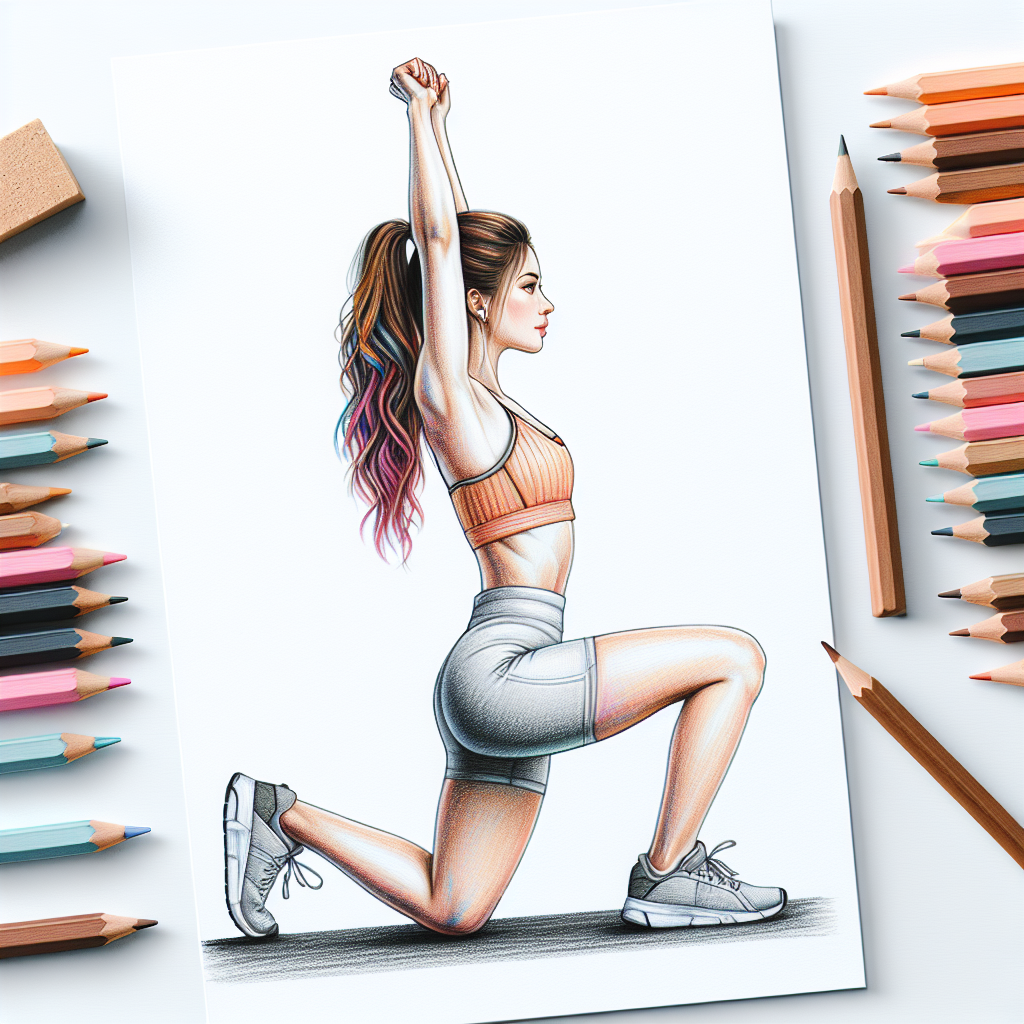
In today’s fast-paced world, finding the time and resources to exercise can be a challenge. However, beginners need not be deterred. At-home workouts that require no equipment present an excellent solution for those seeking to improve their fitness levels without the need for a gym membership or special gear. This article will explore a variety of effective home workouts tailored for beginners, offering practical guidance that emphasizes ease of implementation.
- Introduction
- The Benefits of At-Home Workouts
- Basic Workout Plans for Beginners
- How to Stay Motivated
- Common Myths About Home Workouts
- When to Consult a Professional
- Frequently Asked Questions
- Conclusion
The Benefits of At-Home Workouts
At-home workouts provide a plethora of benefits, particularly for beginners. First and foremost, they are convenient, allowing individuals to exercise at their own pace and schedule. Additionally, the absence of equipment reduces financial barriers and simplifies preparations. These workouts can also foster a sense of belonging and achievement, as individuals often feel more comfortable performing exercises in their own environment.
Basic Workout Plans for Beginners
Starting with a simple workout routine is crucial for beginners. Here are a few exercises that can be incorporated into a basic workout plan:
- Bodyweight Squats: Target leg and core strength.
- Push-Ups: Excellent for upper body strength, though beginners can modify them by using their knees.
- Plank Holds: Enhance core stability. Hold for 20-30 seconds, gradually increasing as strength builds.
- Jumping Jacks: Great for cardiovascular fitness.
- Mountain Climbers: A dynamic exercise that works multiple muscle groups.
For a more structured approach, consider a program that allows for just 6 minutes of daily exercise. Interested individuals can register for a free 30-day exercise program designed to provide gym-like results with minimal time investment.
How to Stay Motivated
Maintaining consistency during workouts can be challenging, especially for beginners. Here are some tips to keep motivation high:
- Set Realistic Goals: Focus on achievable milestones rather than overwhelming long-term objectives.
- Incorporate Variety: Mix up your workout routine to prevent monotony.
- Track Progress: Keeping a record of improvements can boost confidence and motivation.
- Find a Workout Buddy: Exercising with a friend can provide accountability and enjoyment.
- Reward Yourself: Celebrate small successes to reinforce positive behavior.
Common Myths About Home Workouts
Many misconceptions surround home workouts, often preventing individuals from fully embracing this fitness option. Below are some common myths clarified:
- Myth: You Need Equipment to Get Results: Bodyweight exercises can effectively build strength and increase fitness levels.
- Myth: Home Workouts Are Less Effective: Consistent and well-structured home workouts can yield significant results.
- Myth: It’s Harder to Stay Committed: Flexibility and comfort can lead to higher adherence compared to a gym setting.
When to Consult a Professional
While at-home workouts are beneficial, certain signs may indicate the need for professional assistance:
- Persistent Pain: If you experience ongoing pain during or after workouts, seeking a healthcare professional’s opinion is advised.
- Inability to Perform Exercises: Struggling to complete exercises due to a lack of knowledge or technique may warrant guidance.
- Health Concerns: Individuals with pre-existing health conditions should consult a physician before beginning any exercise program.
Frequently Asked Questions
How long should a beginner workout at home?
For beginners, 20 to 30 minutes per session is generally sufficient. This can be adjusted based on personal comfort and ability.
Can I lose weight with no equipment workouts?
Yes, bodyweight exercises can contribute to weight loss when combined with a balanced diet and consistent effort.
How often should I workout as a beginner?
Beginning with 3 to 4 times a week is ideal, gradually increasing frequency as you build endurance and strength.
Are home workouts safe?
Yes, as long as you maintain proper form and listen to your body. If uncertain, it’s wise to consult a professional.
What if I can’t complete an exercise?
Modify the exercise or take breaks as needed. Progress will come with practice.
Should I warm up before starting my workout?
Yes, warming up is crucial to prepare your muscles and joints and reduce the risk of injury.
Conclusion
- At-home workouts provide convenience and accessibility for beginners.
- Simple bodyweight exercises can deliver effective results.
- Staying motivated is essential; setting realistic goals can help.
- Common myths should not deter you from pursuing home workouts.
- Consult a professional if you experience persistent pain or have specific health concerns.
Embrace the journey towards improved fitness, starting today! Whether you explore a 6-minute daily workout or commit to a longer routine, consistency is key. Begin your adventure in home fitness and see the changes unfold.
Author: John Angel