
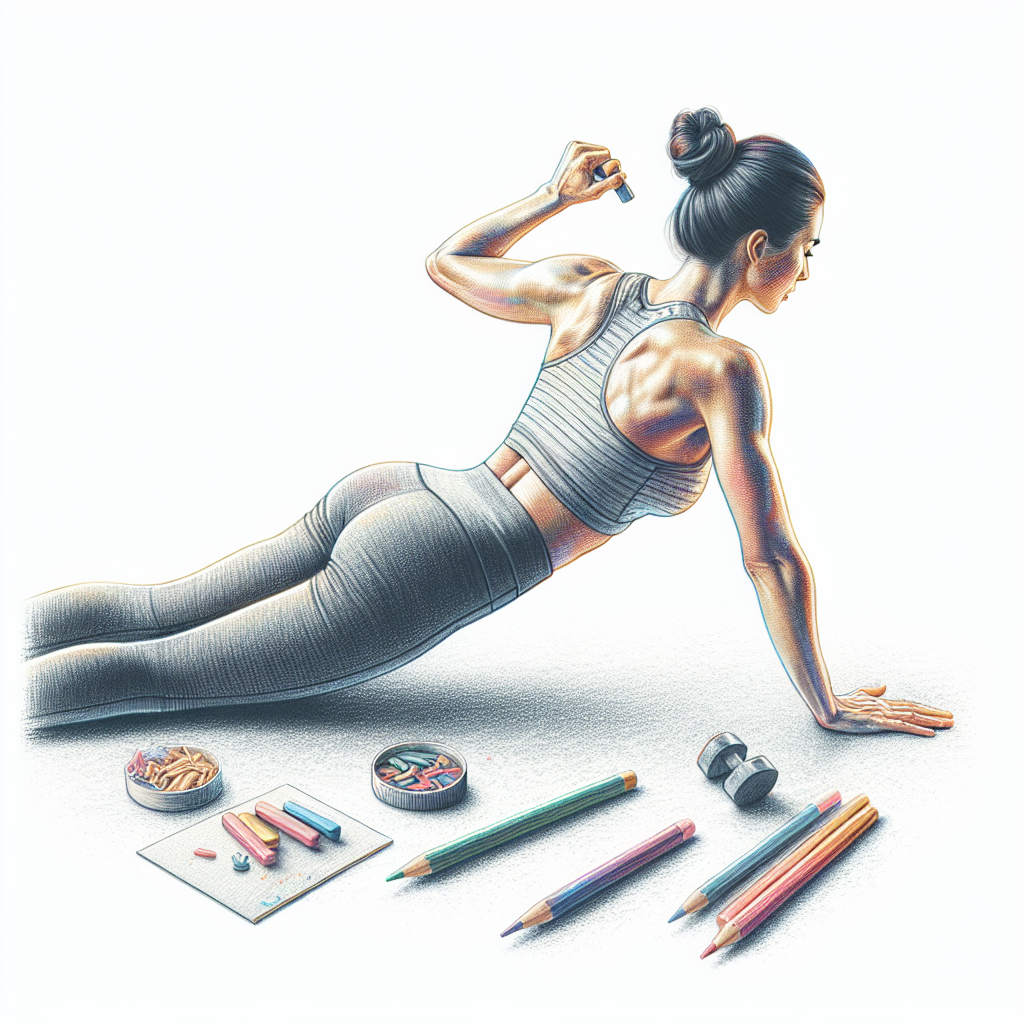
Back Exercises Without Equipment
Maintaining a strong and flexible back is essential for overall health and well-being. Engaging in back exercises without equipment can significantly enhance muscular strength, improve posture, and alleviate discomfort associated with sedentary lifestyles. This article provides comprehensive guidance on effective exercises, common misconceptions, and when to consider professional assistance.
- Understanding the Importance of Back Exercises
- Key Exercises for Strengthening Your Back
- Common Mistakes to Avoid
- When to Seek Professional Help
- Frequently Asked Questions
Understanding the Importance of Back Exercises
The back comprises various muscles, including the latissimus dorsi, trapezius, and erector spinae, each playing an integral role in daily activities. Strong back muscles support the spine, enhance stability, and promote effective movements. Regular exercise can reduce the risk of back injuries and aid in rehabilitation for existing issues. For those seeking a structured approach to exercise, consider joining a free 30-day program where you can achieve significant results in just six minutes a day: Sign up here.
Key Exercises for Strengthening Your Back
Here are several effective exercises that can be performed at home without any equipment:
1. Bird-Dog
This exercise enhances coordination and strengthens the lower back.
- Start on your hands and knees in a tabletop position.
- Extend your right arm forward and your left leg backward simultaneously.
- Hold for a few seconds then switch sides.
- Repeat for 10-15 repetitions on each side.
2. Superman
The Superman exercise targets the lower back and glutes.
- Lie face down on a mat with your arms extended in front of you.
- Simultaneously lift your arms, chest, and legs off the ground.
- Hold for a few seconds and return to the starting position.
- Perform 10-15 repetitions.
3. Cat-Cow Stretch
This dynamic stretch improves flexibility while engaging the core.
- Begin on all fours in a tabletop position.
- Inhale as you arch your back (Cat). Exhale as you round your back (Cow).
- Repeat for 10 cycles, coordinating your breath with movement.
4. Plank
The plank strengthens the entire core, including the back muscles.
- Lie face down and lift your body on your forearms and toes.
- Keep your body in a straight line from head to heels.
- Hold for 20-60 seconds, gradually increasing the time.
5. Bridge
This exercise focuses on the glutes and lower back.
- Lie on your back with your knees bent and feet flat on the floor.
- Lift your hips towards the ceiling, squeezing your glutes.
- Hold for a few seconds before lowering back down.
- Repeat for 10-15 repetitions.
Common Mistakes to Avoid
While performing back exercises, several misconceptions can lead to ineffective workouts or even injuries:
- Neglecting Core Engagement: Always engage your core during exercises to protect your spine.
- Overexertion: Begin with manageable repetitions, gradually increasing as your strength improves.
- Incorrect Form: Focus on maintaining proper posture. Incorrect form can lead to injuries.
- Ignoring Pain: If you experience pain during an exercise, stop immediately and assess your technique or seek advice.
When to Seek Professional Help
Although regular exercise is beneficial, there are instances when consulting a qualified professional is advisable:
- Persistent back pain that lasts more than a few days.
- Sudden onset of severe back pain or discomfort.
- Pain accompanied by other symptoms such as numbness, tingling, or weakness in the legs.
- Inability to perform daily activities due to back discomfort.
- Conditions such as osteoporosis or previous back injuries should also prompt professional consultation.
Frequently Asked Questions
1. How often should I perform back exercises?
It is generally beneficial to incorporate back exercises into your routine 2-3 times a week for optimal strength and flexibility.
2. Can I get results without equipment?
Yes, bodyweight exercises are highly effective for building strength and endurance without any additional equipment.
3. Is stretching important before back exercises?
Absolutely, warming up with dynamic stretches prepares your muscles and helps reduce the risk of injury.
4. How long should each exercise session last?
Each session can be as short as 6 minutes, with targeted exercises providing significant benefits.
5. Can I perform these exercises if I have a pre-existing injury?
Consult your healthcare provider before starting any exercise program if you have a pre-existing condition or injury.
6. Are there age restrictions for these exercises?
These exercises can generally be adapted for various age groups, but individuals should consider personal physical limitations.
Conclusion
- Engaging in back exercises without equipment can significantly enhance strength and flexibility.
- Exercises such as Bird-Dog, Superman, and Plank can be easily incorporated into daily routines.
- Avoid common mistakes related to form and overexertion to maximize benefits.
- Consult a professional if experiencing persistent or severe pain.
- Utilize resources like structured programs for optimal results without extensive time commitments.
Consider starting your journey toward a healthier back by incorporating these exercises into your daily routine, whether at home or elsewhere. For a guided approach that requires just six minutes a day, sign up for a free 30-day exercise program at this link and take the first step towards improved well-being.
Author: John Angel