Best Foods for Weight Loss
Embarking on a weight loss journey can be both exciting and daunting. The food choices you make play an integral role in achieving your goals. By selecting nutrient-dense, low-calorie foods, you can nourish your body while shedding unwanted pounds. In this article, we will explore the best foods that support weight loss, along with practical tips to integrate them into your daily routine.
- Understanding Nutrient-Dense Foods
- Top Foods to Include in Your Diet
- Meal Planning and Preparation
- Benefits of Short Workouts
- When to Consult a Professional
- Common Myths and Mistakes
- Frequently Asked Questions
Understanding Nutrient-Dense Foods
Nutrient-dense foods are those that provide a high amount of nutrients relative to their calorie content. Incorporating these foods into your diet can help you feel full while consuming fewer calories, making it easier to manage your weight. Common examples of nutrient-dense foods include fruits, vegetables, whole grains, lean proteins, and healthy fats.
Top Foods to Include in Your Diet
- Leafy Greens: Spinach, kale, and other leafy greens are packed with vitamins and minerals while being low in calories.
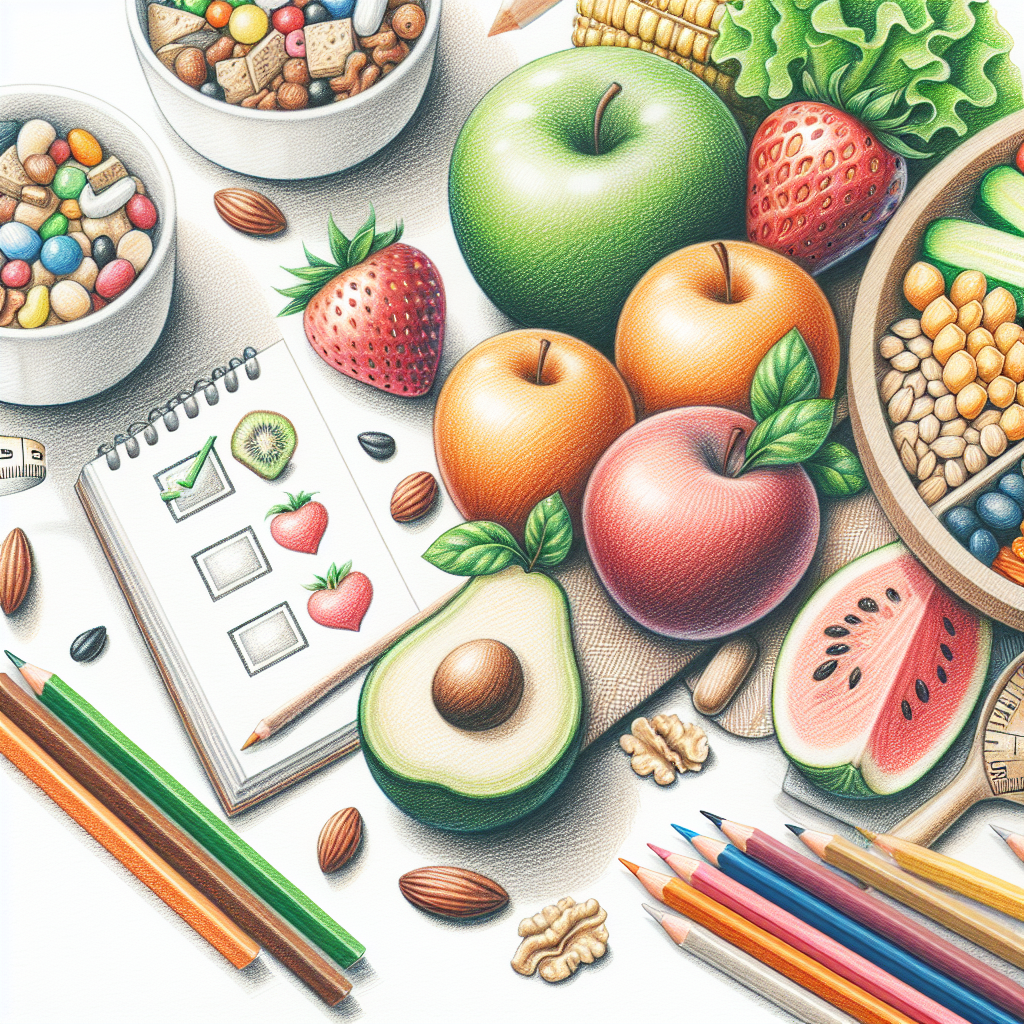
- Fruits: Berries, apples, and oranges provide essential nutrients and fiber, aiding in digestion and prolonging feelings of fullness.
- Lean Proteins: Chicken breast, turkey, and legumes are excellent sources of protein that can reduce hunger and boost metabolism.
- Healthy Fats: Avocados, nuts, and olive oil are rich in healthy fats that are essential for hormonal balance and satiety.
- Whole Grains: Quinoa, brown rice, and oats provide long-lasting energy and important fiber for digestive health.
Meal Planning and Preparation
Successful weight loss often hinges on effective meal planning and preparation. Here are some practical steps to help you stay on track:
- Define your caloric needs based on your weight loss goals.
- Create a weekly menu that focuses on nutrient-dense foods.
- Prepare meals in advance to avoid unhealthy eating decisions during hectic days.
- Utilize batch cooking for grains and proteins to save time during the week.
- Keep healthy snacks on hand, such as fruits and nuts, to combat cravings.
Benefits of Short Workouts
Incorporating six-minute short workouts can revitalize your weight loss journey. These efficient sessions can easily fit into a busy day, making it possible to maintain an active lifestyle. Short workouts enhance metabolism, reduce stress, and improve overall mood. They also help build endurance and strength without demanding extensive time commitments. For those exploring an effective starting point, consider registering for the 30-day SixPack workout program for free, designed to maximize results in minimal time.
When to Consult a Professional
While diet and exercise are key components of weight loss, there are instances when consulting a professional is advisable:
- If you have underlying health conditions, such as diabetes or heart disease.
- When experiencing significant weight fluctuations or unexplained weight gain.
- If you feel overwhelmed or unsure about making dietary changes.
- For tailored advice on meal planning and exercise routines.
Common Myths and Mistakes
Understanding common misconceptions can prevent unnecessary setbacks:
- Myth 1: All fats are bad. In reality, healthy fats are essential for your body.
- Mistake 1: Skipping meals leads to weight loss. This can negatively impact metabolism and lead to overeating later.
- Myth 2: All carbohydrates are bad. Whole grains and fruits are integral to a balanced diet.
- Mistake 2: Relying solely on exercise for weight loss. A balanced approach of diet and exercise is more effective.
Frequently Asked Questions
What foods should I avoid for weight loss?
Limit processed foods, sugary beverages, and high-calorie snacks that provide little nutritional value.
How can I keep my meal portions in check?
Using smaller plates and dishes is a simple way to trick your brain into feeling satisfied with smaller portions.
Is it necessary to count calories for weight loss?
While tracking calories can help, focusing on food quality is equally important for maintaining a healthy lifestyle.
Can I lose weight without exercising?
While weight loss is possible through diet alone, combining exercise with healthy eating promotes better results and overall wellness.
How important is hydration for weight loss?
Staying hydrated is crucial as it aids digestion, helps control hunger, and supports metabolic functions.
Are there any quick weight loss solutions?
Quick fixes are often unsustainable. A gradual, balanced approach tends to yield better long-term results.
Conclusion
- Emphasize nutrient-dense foods for effective weight loss.
- Meal planning and preparation can enhance your success.
- Incorporate short workouts to energize your routine.
- Consult a professional when necessary for tailored guidance.
- Avoid common myths and mistakes that can hinder progress.
Start your weight loss journey today by making smarter food choices and incorporating engaging workouts into your daily routine. For expert guidance and a structured program, consider the 30-day SixPack workout program for free.
Author: John Angel