
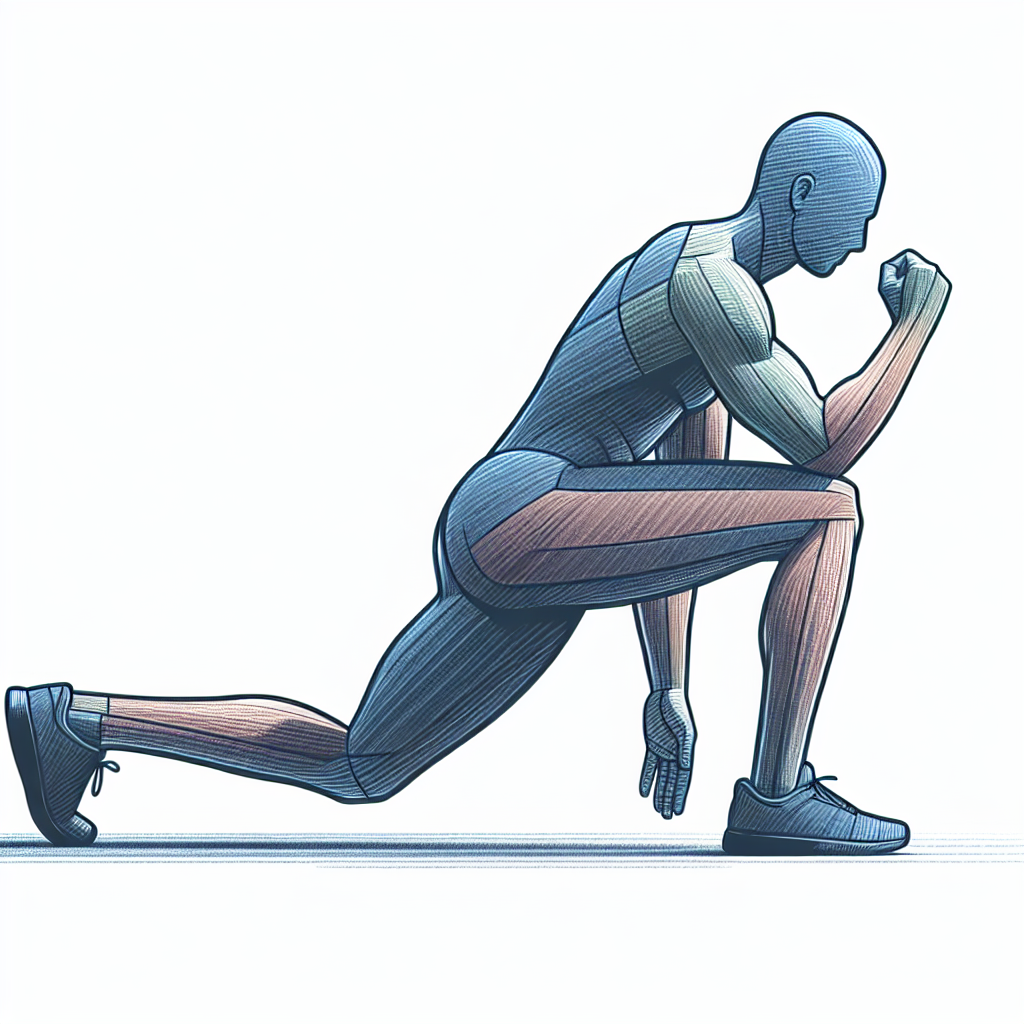
Bodyweight Conditioning Program: Transform Your Fitness Journey
Incorporating a bodyweight conditioning program into your daily routine can be a game-changer, especially for those on a weight loss journey. These workouts require no equipment, can be performed anywhere, and often require minimal time and space. The secret lies in their effectiveness; even just six minutes of targeted exercise can yield substantial results, improving both strength and endurance. This article will explore the nuances of a successful bodyweight conditioning program and its broader applications in daily life.
- Understanding Bodyweight Conditioning
- Benefits of Short Workouts
- Designing Your Program
- Best Practices for Effective Workouts
- When to Consult a Professional
- Common Myths and Misconceptions
- FAQ
Understanding Bodyweight Conditioning
Bodyweight conditioning focuses on utilizing one’s own weight as resistance to improve physical fitness. Exercises like push-ups, squats, lunges, and planks target various muscle groups, enhancing functional strength and flexibility. This method is especially beneficial for beginners and those looking to ease into fitness without the intimidation of traditional gym equipment.
Benefits of Short Workouts
The magic of six-minute workouts lies in their ability to produce significant results in a remarkably short amount of time. These brief yet intense sessions are effective for several reasons:
- Time Efficiency: In a fast-paced world, dedicating even a fraction of your day to exercise can promote consistent physical activity.
- No Equipment Needed: Perform these workouts in the comfort of your home or even outdoors, eliminating excuses related to gym access or equipment availability.
- Increased Metabolism: Short bursts of intense exercise can elevate your metabolic rate, aiding in weight loss.
- Improved Mood: Exercise releases endorphins, contributing to a positive mindset and helping alleviate stress.
Designing Your Program
Creating an effective bodyweight conditioning program involves a few key components:
- Frequency: Aim for at least three to five sessions per week for optimal results.
- Variety: Incorporate different exercises to target various muscle groups and prevent workout monotony.
- Progression: Gradually increase the intensity of your workouts by extending the duration or adding more challenging variations of exercises.
For a structured approach, consider trying the SixPack workout program for 30 days free. This program offers a range of six-minute workouts designed specifically to enhance your bodyweight conditioning journey.
Best Practices for Effective Workouts
To maximize the benefits of your bodyweight conditioning program, adhere to the following practices:
- Warm-Up: Initiate each session with light stretching or dynamic movements to prepare your muscles.
- Form Over Speed: Prioritize proper technique to avoid injury and ensure effectiveness.
- Stay Hydrated: Drink water before, during, and after your workouts to maintain hydration levels.
- Cool Down: Engage in stretching or relaxation exercises post-workout to aid recovery.
When to Consult a Professional
While bodyweight conditioning is suitable for many, certain situations warrant the advice of a healthcare or fitness professional. Should you experience any of the following, it may be time to seek guidance:
- Persistent or severe pain during exercise
- Existing health conditions that may be exacerbated by physical activity
- Difficulty performing basic movements
Common Myths and Misconceptions
Several myths surrounding bodyweight workouts can lead individuals astray. It is essential to debunk these for accurate understanding:
- Myth 1: Bodyweight workouts are not effective for building muscle. In truth, they can effectively build muscle and strength, depending on the intensity and variations.
- Myth 2: Six-minute workouts are insufficient for fitness improvement. Short, focused workouts have been shown to promote muscle endurance and cardiovascular health.
- Myth 3: Bodyweight exercises only benefit beginners. Routines can be adapted to meet advanced fitness levels through variations and increased intensity.
FAQ
What is bodyweight conditioning?
Bodyweight conditioning utilizes your own body weight as resistance to improve fitness, strength, and flexibility.
How effective are six-minute workouts?
Six-minute workouts can be very effective, particularly when performed at high intensity, to increase strength and aid in weight loss.
Can anyone do bodyweight workouts?
Yes, bodyweight workouts can be adapted for various fitness levels, making them accessible to almost everyone.
How often should I do bodyweight exercises?
Aim for three to five sessions per week to achieve optimal results.
What equipment do I need for bodyweight training?
No equipment is necessary; bodyweight exercises can be performed anywhere using just your body.
What are the best bodyweight exercises for beginners?
Push-ups, squats, lunges, and planks are excellent starting points for beginners.
Conclusion
- Bodyweight conditioning is a highly effective method for improving overall fitness.
- Short workouts, even as brief as six minutes, can significantly enhance your physical performance.
- Designing a personalized program can cater to your specific fitness goals.
- Consulting a professional when in doubt can prevent injuries and promote better progress.
- Dispelling myths can provide a clearer path toward effective bodyweight training.
For those ready to embark on this transformative journey, consider exploring the SixPack workout program for 30 days free. Embrace the change and take your first step towards a healthier lifestyle today.
Author: John Angel