Embarking on a weight loss journey is a commendable initiative, often a challenging one that requires effective strategies and consistent effort. One of the most significant factors in achieving successful weight loss is understanding the foods that foster metabolic health while providing essential nutrients. This article explores foods conducive to weight loss, enhancing your journey with practical guidance and methods to incorporate effective short workouts that can seamlessly integrate into your daily routine.
- Understanding the Role of Macronutrients
- Foods Rich in Fiber
- Lean Proteins and Their Benefits
- Healthy Fats: An Essential Component
- Hydration and Its Impact on Weight Loss
- When to Consult a Professional
- Common Myths and Misconceptions
- Frequently Asked Questions
Understanding the Role of Macronutrients
Macronutrients, encompassing carbohydrates, proteins, and fats, play a critical role in weight management. The key is finding a balance that supports your metabolic needs while promoting a caloric deficit. A well-rounded diet includes:
- Carbohydrates: Opt for whole grains and fibrous vegetables.
- Proteins: Incorporate lean meats, eggs, legumes, and dairy.
- Fats: Choose sources like avocados, nuts, and olive oil.
Foods Rich in Fiber
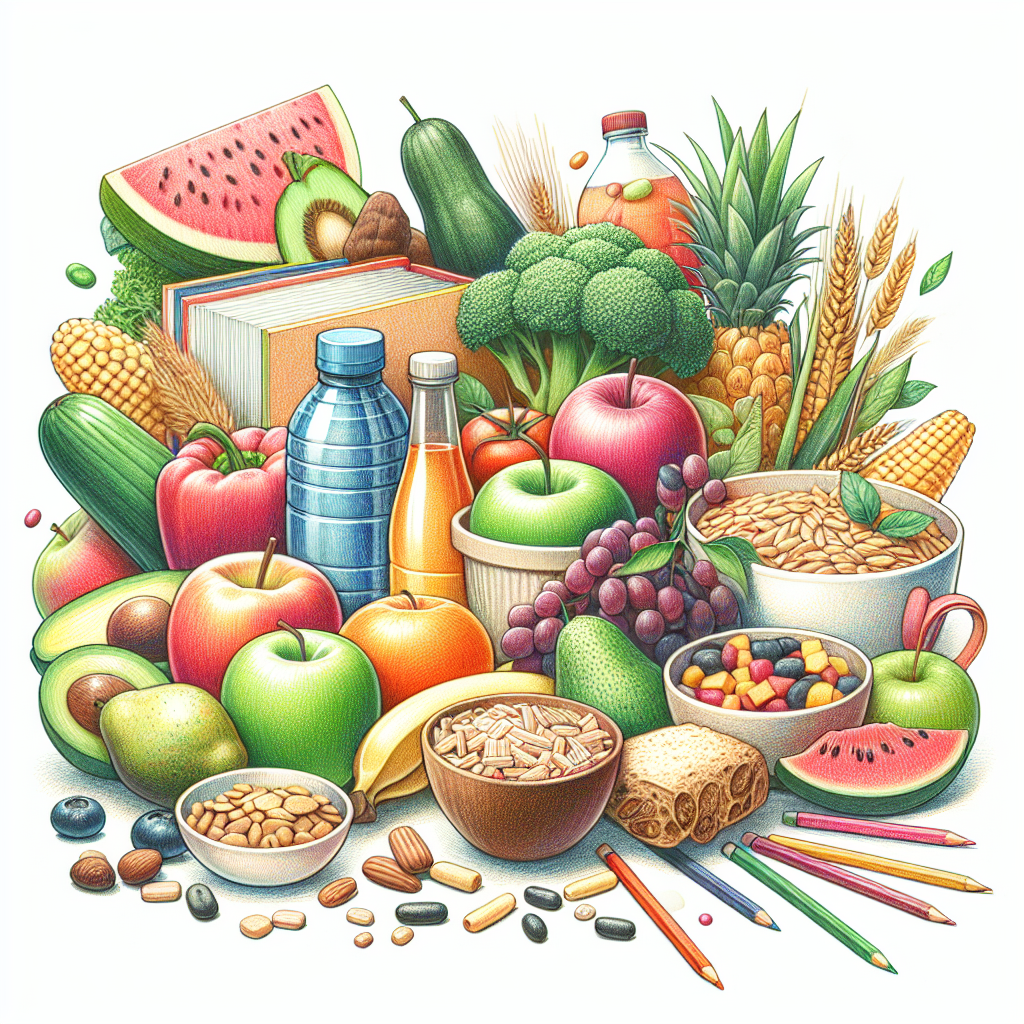
Fiber is invaluable on your weight loss journey because it promotes satiety and aids digestion. Foods high in fiber can help you feel fuller for longer, reducing the urge to overeat. Some excellent sources of fiber include:
- Legumes (beans, lentils)
- Whole grains (oats, brown rice)
- Fruits (berries, apples with skins)
- Vegetables (broccoli, carrots)
- Nuts and seeds
Lean Proteins and Their Benefits
Incorporating lean proteins into your diet is crucial for muscle maintenance and fat loss. Protein increases feelings of fullness and boosts metabolism due to the “thermic effect of food.” It requires more energy to digest compared to fats and carbohydrates. Focus on:
- Chicken and turkey
- Fish, especially fatty varieties like salmon
- Eggs and low-fat dairy products
- Plant-based proteins (tofu, tempeh)
Healthy Fats: An Essential Component
Contrary to common misconceptions, healthy fats are integral to any weight loss plan. They support nutrient absorption and hormone production, crucial for metabolic health. Including moderate amounts of healthy fats can promote satiety and assist with managing cravings. Good sources include:
- Avocado
- Olive oil and other vegetable oils
- Nuts and seeds
- Fatty fish (sardines, mackerel)
Hydration and Its Impact on Weight Loss
Staying adequately hydrated is often overlooked yet essential for weight loss. Water boosts metabolic rate, supports digestion, and can help control hunger. Here are some vital hydration tips:
- Drink ample water throughout the day, aiming for at least eight 8-ounce glasses.
- Consider water-rich foods like cucumbers, oranges, and watermelon.
- Limit sugary drinks and excessive caffeine, instead choosing herbal teas or infused water.
When to Consult a Professional
While many can navigate their weight loss journey independently, certain scenarios warrant professional advice:
- If you have underlying health conditions (e.g., diabetes, thyroid issues).
- Persistent weight gain despite dietary changes.
- Significant psychological factors affecting your eating habits.
- If nutritional knowledge is lacking and concerns regarding balanced nutrition arise.
Common Myths and Misconceptions
Understanding the common misconceptions surrounding weight loss can help clarify your approach:
- Myth: Carbs are the enemy. Fact: Not all carbs are created equal; whole grains and fruits are vital.
- Myth: Fasting is the best way to lose weight. Fact: Sustainable eating patterns yield better results long term.
- Myth: Weight lifting makes you bulky. Fact: It develops lean muscle, enhancing your metabolism.
Frequently Asked Questions
What types of food should I eliminate for weight loss?
It’s best to limit processed foods, sugars, and excessive fats while focusing on whole, nutrient-dense foods.
Can I eat snacks while trying to lose weight?
Yes, opting for healthy snacks like fruits, nuts, or yogurt can help maintain energy levels and prevent overeating.
Is drinking water really beneficial for weight loss?
Yes, adequate hydration can improve metabolism and promote feelings of fullness.
How important is meal timing for weight loss?
While meal timing has its benefits, what you eat and the caloric deficit is generally more crucial.
Can I lose weight without exercising?
Weight loss is achievable without exercise, but combining diet with physical activity accelerates results and enhances overall health.
What is the role of short workouts in a weight loss journey?
Short workouts, such as the SixPack program that offers six-minute routines at home, provide an effective way to burn calories without demanding significant time commitment. They can elevate your mood, increase endorphins, and fit easily into your daily routine.
The Magic of Six-Minute Short Workouts
Short workouts, specifically designed for home settings, offer an alluring simplicity and effectiveness. The SixPack workout program exemplifies this magic, allowing participants to engage in high-intensity sequences that maximize calorie burn in minimal time. These brief sessions can be strategically integrated into various moments of your day, enhancing energy levels and mood. Furthermore, the convenience of performing them at home eliminates barriers often associated with conventional fitness routines, making it easier to remain consistent and committed to your weight loss journey.
For anyone ready to take a leap and witness these benefits firsthand, consider the chance to experience the SixPack workout program for 30 days for free: start your journey today.
Conclusion
- Incorporate a balance of macronutrients in your diet.
- Consume fiber-rich foods to enhance satiety.
- Embrace lean proteins and healthy fats for balanced nutrition.
- Stay hydrated to boost metabolic efficiency.
- Consult a health professional if challenges arise in your weight loss journey.
Now is the time to begin implementing these practical strategies as you advance in your weight loss journey. Embrace the transformation, make mindful dietary choices, and consider the benefits of short but effective workouts to support your goals.
Author: John Angel