
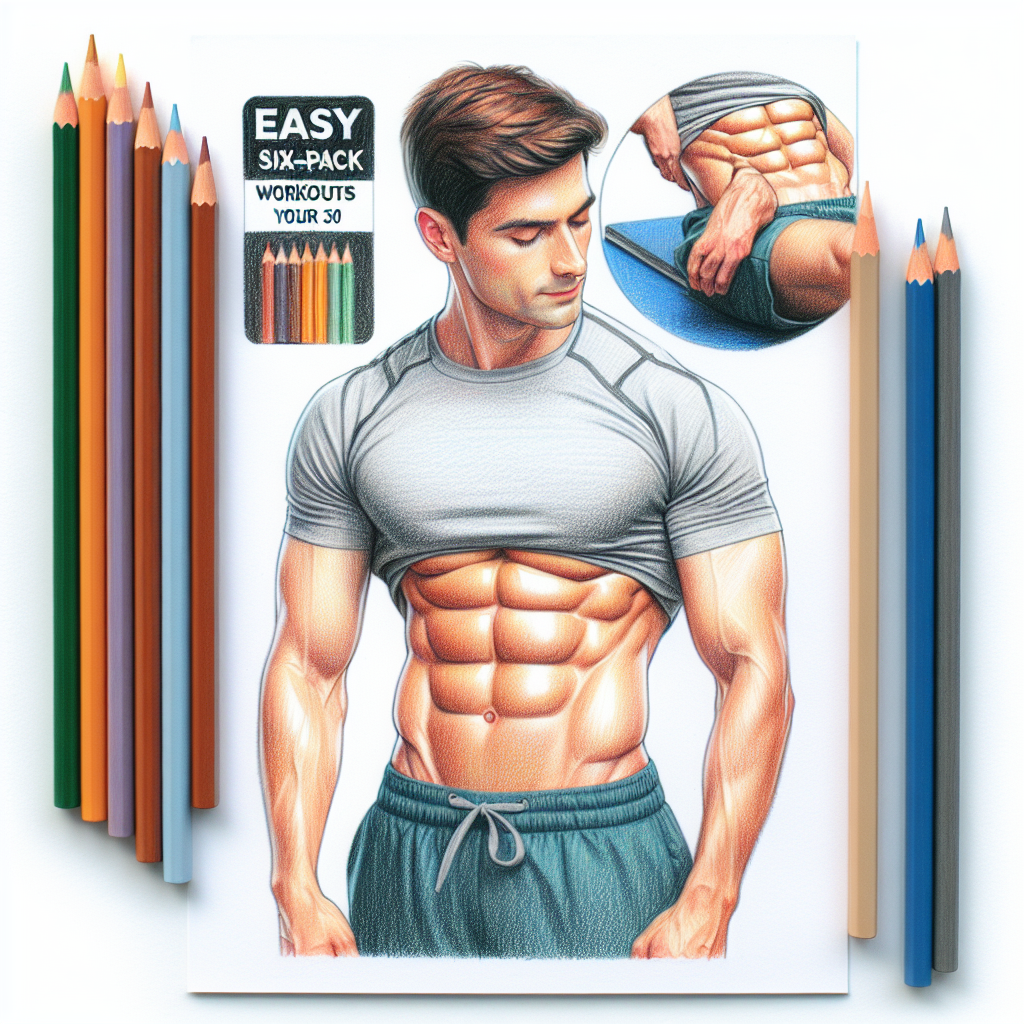
Achieving a six-pack at the age of 30 may seem like a daunting task, but it is entirely possible with the right approach. Engaging in short, effective workouts can underscore your weight loss journey, helping you sculpt your abdominal muscles while fitting seamlessly into your daily life. In this article, we will explore the transformative magic of six-minute home workouts, discuss common myths, and provide practical guidance on your path to a chiseled core.
- Understanding the Importance of Core Strength
- The Magic of Short Workouts
- Crafting Your Six-Pack Exercise Routine
- Nutrition and Its Role in Abs Development
- When to Consult a Professional
- Myths and Misconceptions about Getting a Six-Pack
- FAQs
Understanding the Importance of Core Strength
Your core is essential not only for aesthetic reasons but also for overall health and stability. A strong core supports your posture, enhances athletic performance, and reduces the risk of injuries. Moreover, dedicated core workouts can significantly contribute to your weight loss journey by boosting your metabolism and allowing your body to burn more calories throughout the day.
The Magic of Short Workouts
Incorporating six-minute workouts into your routine can offer substantial benefits:
- Efficiency: Short bursts of exercise can fit into your day, making it more achievable to stay committed.
- High Intensity: Short workouts often involve high-intensity interval training (HIIT), which has been shown to maximize calorie burning.
- Convenience: These workouts can easily be performed at home without extensive equipment.
- Consistency: A six-minute commitment is often easier to maintain, fostering a habit of regular exercise.
To embark on this journey and explore a six-minute workout program tailored for you, consider registering for the SixPack workout program for 30 days free.
Crafting Your Six-Pack Exercise Routine
If you’re eager to begin your quest for a six-pack, a well-rounded routine is essential. Here’s a practical approach:
- Identify the Right Exercises: Focus on core-strengthening exercises such as planks, bicycle crunches, and leg raises.
- Incorporate Cardio: Engage in regular cardiovascular activities such as jogging, cycling, or swimming to aid in fat loss.
- Use the Six-Minute Format: Select a handful of exercises, and perform them in intervals of 30 seconds of work followed by 30 seconds of rest for a total of six minutes.
- Be Consistent: Aim for at least three short workouts per week and gradually increase duration and intensity.
- Monitor Your Progress: Keep track of your workouts, noting improvements in strength and endurance.
Nutrition and Its Role in Abs Development
Proper nutrition is pivotal for reducing body fat and enabling muscle definition. To support your workout routine:
- Focus on Whole Foods: Prioritize fruits, vegetables, lean proteins, and whole grains.
- Manage Portion Sizes: Be mindful of caloric intake, emphasizing a balanced diet over restrictive eating.
- Stay Hydrated: Drinking enough water aids digestion and metabolism.
- Avoid Processed Foods: Limit high-sugar and high-fat snacks that can hinder your progress.
When to Consult a Professional
While pursuing a six-pack, it is imperative to recognize when to seek professional guidance. If you experience any of the following symptoms, consulting a healthcare provider is advisable:
- Persistent pain during or after workouts
- Difficulty performing basic movements
- Signs of fatigue or burnout
- Rapid weight changes without clear reasons
- Any other unusual symptoms affecting your well-being
Myths and Misconceptions about Getting a Six-Pack
As you embark on your journey, it is important to dispel common myths surrounding six-pack abs:
- Spot Reduction: Many believe that doing endless crunches will lead to fat loss specifically in the abdominal area, which is a misconception.
- Only Cardio Matters: Strength training is equally vital for building muscle and burning fat.
- Six-Pack Abs Are Only for the Young: Age should not deter you from achieving your fitness goals; it’s never too late to start.
- Genetics Are Everything: While genetics play a role, dedication to exercise and nutrition is critical.
FAQs
Can I get a six-pack at 30?
Yes, with commitment to exercise and a proper diet, achieving a six-pack is entirely feasible at 30.
How often should I work out to get a six-pack?
Aim for at least three to four focused sessions per week, incorporating both strength training and cardiovascular exercises.
Do I need a gym membership to get a six-pack?
No, you can effectively sculpt your abs at home with bodyweight exercises and minimal equipment.
What type of diet is best for revealing abs?
A diet rich in whole foods, lean proteins, and plenty of vegetables is most effective for reducing body fat.
Is it possible to get abs without losing weight?
While you may develop muscle definition, visible abs typically require a reduction in body fat percentage, often achieved through weight loss.
How long will it take to see results?
Results vary by individual but may take several weeks to a few months, depending on your starting point and efforts.
Conclusion
- Understanding Core Strength: Core fitness is crucial for overall health.
- Short Workouts Work: Six-minute sessions are efficient and effective.
- Crafting a Routine: Focus on key exercises and consistency.
- Nutrition is Key: A balanced diet supports your fitness goals.
- Seek Professional Guidance: Know when to consult a healthcare provider for concerns.
As you embark on your journey toward achieving a six-pack at 30, remember that dedication and patience are essential. Embrace the process, celebrate small victories, and consider exploring the SixPack workout program for 30 days free to kickstart your transformation effectively.
Author: John Angel