
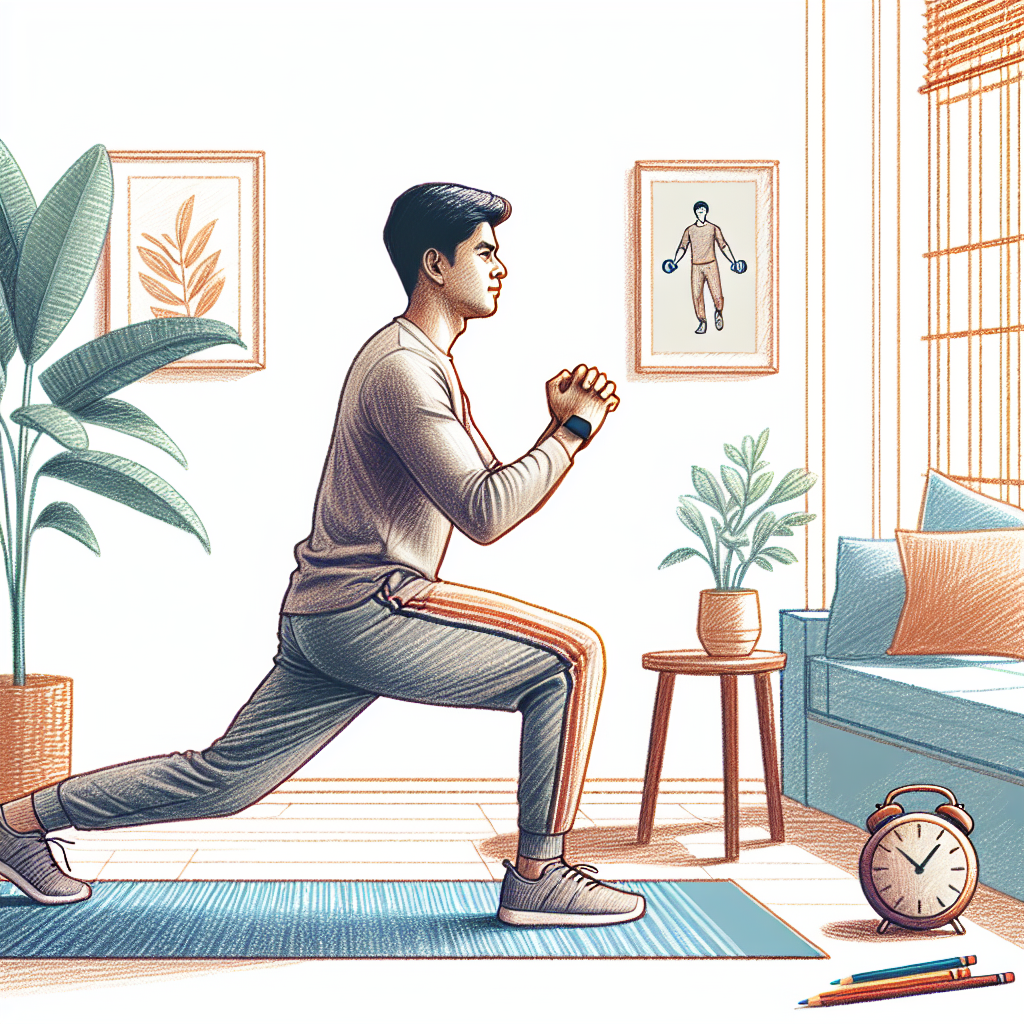
Home Training Exercises Without Equipment
In today’s world, physical fitness is an essential component of a healthy lifestyle. However, the common misconception that access to a gym is a prerequisite for effective exercise often deters individuals from pursuing their fitness goals. This article aims to shed light on a variety of home training exercises that require no equipment, enabling you to optimize your fitness routine from the comfort of your home. By engaging in these exercises, you can improve your strength, flexibility, and cardiovascular health without the need for heavy machinery or costly memberships.
- Understanding the Benefits of Bodyweight Training
- Essential Home Exercises to Get Started
- Creating a Consistent Workout Routine
- When to Seek Professional Guidance
- Common Myths About Home Workouts
- Frequently Asked Questions (FAQs)
Understanding the Benefits of Bodyweight Training
Bodyweight training offers several benefits that make it an attractive option for individuals at various fitness levels:
- Accessibility: No need for equipment means greater flexibility in where and when you can train.
- Cost-Effective: Since no monetary investment is needed for equipment, bodyweight exercises are economical.
- Functional Strength: These exercises mimic everyday movements, improving overall functional fitness.
- Scalability: Bodyweight exercises can be easily modified to match your fitness level, from beginner to advanced.
Essential Home Exercises to Get Started
To initiate your home workout regimen, here are some effective bodyweight exercises that target various muscle groups:
1. Push-Ups
Targeting the chest, shoulders, and triceps, push-ups are an excellent way to build upper body strength. Start in a plank position and lower your body until your chest nearly touches the floor. Press back up to the starting position.
2. Squats
This lower body exercise engages the quadriceps, hamstrings, and glutes. Stand with feet shoulder-width apart, lower your body as if sitting back in a chair, then return to standing.
3. Plank
Working primarily on the core, the plank can help build strength and stability. Maintain a straight line from your head to your heels, resting on your forearms and toes for as long as possible.
4. Lunges
Lunges enhance lower body strength and balance. Step forward with one leg, lower your body until both knees are bent at approximately 90 degrees, then return to the starting position and switch legs.
5. Burpees
This full-body exercise promotes cardiovascular fitness. Start in a standing position, drop into a squat, kick your feet back into a plank position, return to squat, and jump explosively upwards.
Creating a Consistent Workout Routine
Establishing a consistent workout routine will enhance your adherence to regular exercise:
- Set Clear Goals: Define what you wish to achieve, such as weight loss, building muscle, or enhancing endurance.
- Schedule Workouts: Dedicate specific times in your week for exercise to create a habit.
- Mix It Up: Incorporate a variety of exercises to prevent boredom and target different muscle groups.
- Stay Hydrated: Drinking sufficient water before, during, and after your workout is crucial.
- Track Progress: Keep a log of your workouts to inspire and motivate you.
When to Seek Professional Guidance
It is advisable to consult a qualified health professional under the following circumstances:
- If you experience persistent pain during physical activity.
- When you have a pre-existing health condition that might be affected by physical exertion.
- Should you have concerns regarding proper exercise form, which might lead to injury.
- If you seek personalized fitness advice tailored to your specific needs.
Common Myths About Home Workouts
Despite their proven effectiveness, several misconceptions about home workouts persist:
- Myth 1: Home workouts are not as effective as gym workouts. Fact: Many bodyweight exercises can be as beneficial as weight training.
- Myth 2: You need expensive equipment to see results. Fact: Consistent bodyweight training can lead to significant fitness improvements.
- Myth 3: Bodyweight exercises are only for beginners. Fact: Advanced variations exist for seasoned fitness enthusiasts.
- Myth 4: All exercises are suitable for everyone. Fact: Individual needs vary; consult professionals as needed.
Frequently Asked Questions (FAQs)
What are some beginner-friendly home exercises?
Exercises such as squats, push-ups, lunges, and planks are great for beginners.
How often should I work out at home?
Aiming for at least 3 to 5 times a week can yield significant benefits.
Can I get fit without a gym membership?
Absolutely! Many people achieve their fitness goals through bodyweight training alone.
How long should my home workouts last?
Even short, 6-minute workouts can be effective, especially when done consistently.
What if I lack motivation to work out at home?
Consider joining online communities or programs, such as our recommended 30-day exercise program, to stay inspired.
Can I lose weight with home workouts?
Yes, when combined with a balanced diet, home workouts can lead to weight loss.
Conclusion
- Bodyweight exercises are an excellent way to maintain and improve physical fitness.
- Home workouts offer accessibility and scalability to fit individual needs.
- Consistency and variety are key components of a successful workout routine.
- Seek professional guidance when necessary to ensure safety and effectiveness.
- Don’t let myths deter you; bodyweight exercises can deliver remarkable results.
For individuals interested in a structured approach to home training, consider registering for a free 30-day exercise program that requires just 6 minutes of your time each day. This program is designed to help you achieve gym-like results from your home. [Sign up here](https://app.revolucnicviceni.cz/en/registration).
Author: John Angel