Quick Full Body Workout No Equipment
In today’s fast-paced world, achieving fitness without the need for elaborate equipment can seem daunting. However, short, efficient workouts can lead to significant results. This article highlights a quick full-body workout routine that requires no equipment, making it accessible for everyone, regardless of their fitness level. By engaging in just a few minutes of daily exercise, you can enhance your physical well-being and even achieve results akin to a traditional gym routine. For those seeking a comprehensive program tailored for minimal time commitment, consider exploring a free 30-day exercise program that requires only six minutes of exercise each day. Register for free here.
- Introduction to the Workout
- Benefits of Bodyweight Exercises
- How to Perform a Full Body Workout
- When to Consult a Professional
- Mistakes and Myths About Bodyweight Training
- Frequently Asked Questions
- Conclusion and Call to Action
Benefits of Bodyweight Exercises
Bodyweight exercises are highly effective for several reasons:
- Accessibility: No equipment is needed, making it easy to exercise anywhere.
- Versatility: A wide range of exercises can target various muscle groups.
- Efficiency: Short bursts of activity can yield benefits over longer workouts.
- Improved Functional Strength: These exercises mimic real-life movements, enhancing overall body function.
- Cost-Effectiveness: Eliminating gym fees and equipment purchases makes fitness more affordable.
How to Perform a Full Body Workout
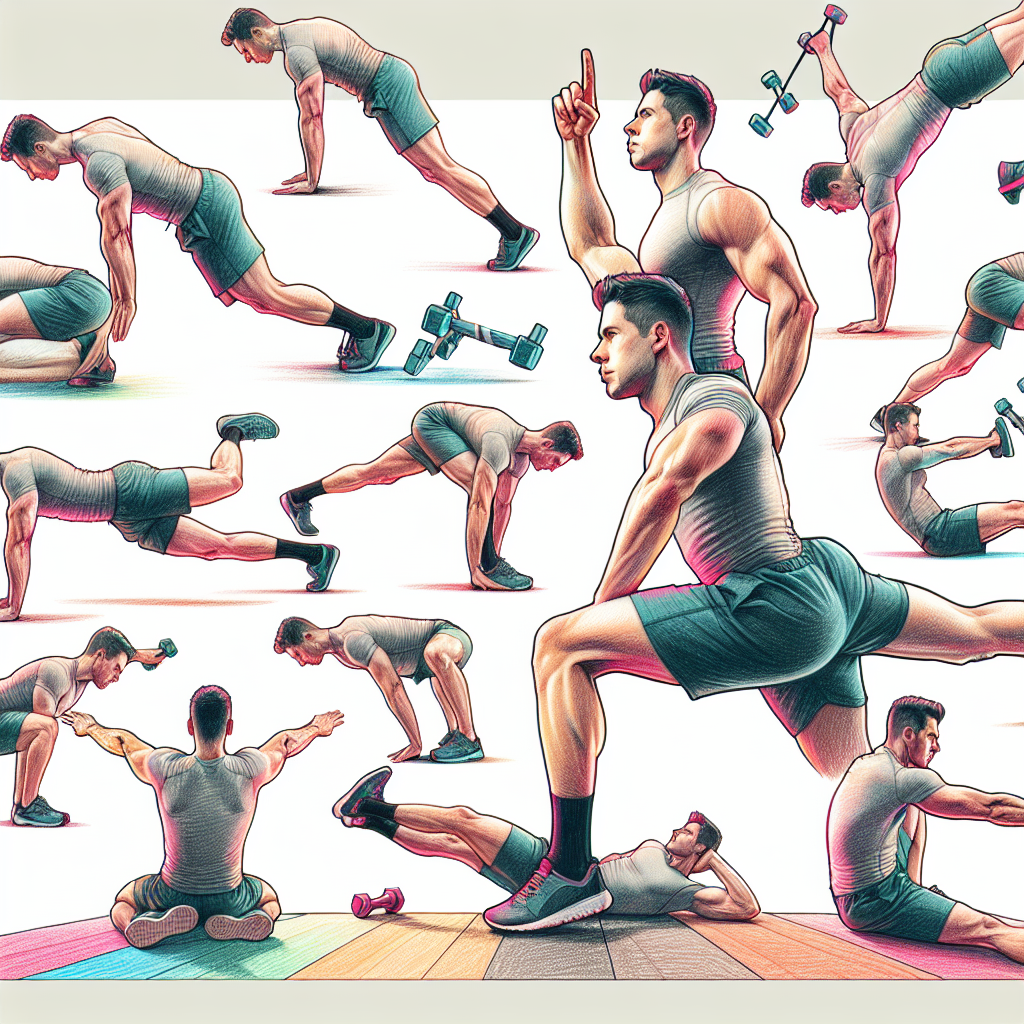
When conducting a full-body workout, focus on key exercises that engage multiple muscle groups. Below is a suggested routine that can be completed in approximately six minutes:
- Warm-Up (1 minute): Jog in place or perform jumping jacks.
- Push-Ups (1 minute): Aim for a steady pace. If needed, modify by performing on your knees.
- Squats (1 minute): Focus on form. Keep feet shoulder-width apart and ensure knees do not extend beyond toes.
- Plank (1 minute): Hold a straight line from head to heels. Maintain abdominal tension.
- Lunges (1 minute): Alternate legs, keeping your front knee directly above the ankle.
- Cooldown (1 minute): Stretch major muscle groups, focusing on the legs and arms.
When to Consult a Professional
While bodyweight workouts are generally safe, certain conditions warrant professional guidance:
- If you experience persistent pain during exercises.
- If you have pre-existing injuries or health conditions.
- When starting a new exercise routine after a prolonged period of inactivity.
- If you notice significant discomfort, particularly in joints or the back.
- When your goals involve specific performance benchmarks or injury rehabilitation.
Mistakes and Myths About Bodyweight Training
Understanding common misconceptions can enhance the effectiveness of your workouts:
- Myth 1: You can’t build muscle with bodyweight exercises. Fact: With the right intensity and progression, muscle growth is fully attainable.
- Myth 2: Bodyweight training only suits beginners. Fact: Advanced variations exist that challenge experienced athletes.
- Myth 3: You won’t sweat enough for a good workout. Fact: High-intensity bodyweight exercises can lead to effective fat burning.
- Common Mistake: Neglecting form. Prioritize proper technique to prevent injuries and achieve better results.
- Common Mistake: Lacking variety. Incorporate different movements to prevent plateaus and enhance engagement.
Frequently Asked Questions
1. How often can I perform bodyweight exercises?
It is generally safe to train 3-5 times a week, allowing muscle recovery between sessions.
2. Do I need to warm up before starting my workout?
Yes, warming up increases blood flow to muscles and reduces the risk of injury.
3. Can beginners start with advanced bodyweight exercises?
Beginners should focus on mastering basic movements before progressing to more advanced variations.
4. How long should I rest between exercises?
Rest 15-30 seconds between exercises to maintain intensity while allowing brief recovery.
5. Is nutrition important alongside bodyweight training?
Absolutely. Balanced nutrition supports muscle recovery and overall performance.
6. How can I track my progress with bodyweight exercises?
Keep a journal of repetitions and variations or use fitness apps to monitor improvements over time.
Conclusion
- Bodyweight exercises are accessible and do not require any equipment.
- Short, efficient workouts can lead to improved fitness levels.
- Focus on proper form to minimize injury risk.
- Consult a professional if you have health concerns or experience persistent pain.
- Start small, progress gradually, and enjoy the journey to better health.
For a structured, time-efficient exercise plan, consider registering for a free 30-day exercise program that offers only six minutes of daily workouts, yet can yield considerable results. Sign up here.
Author: John Angel