
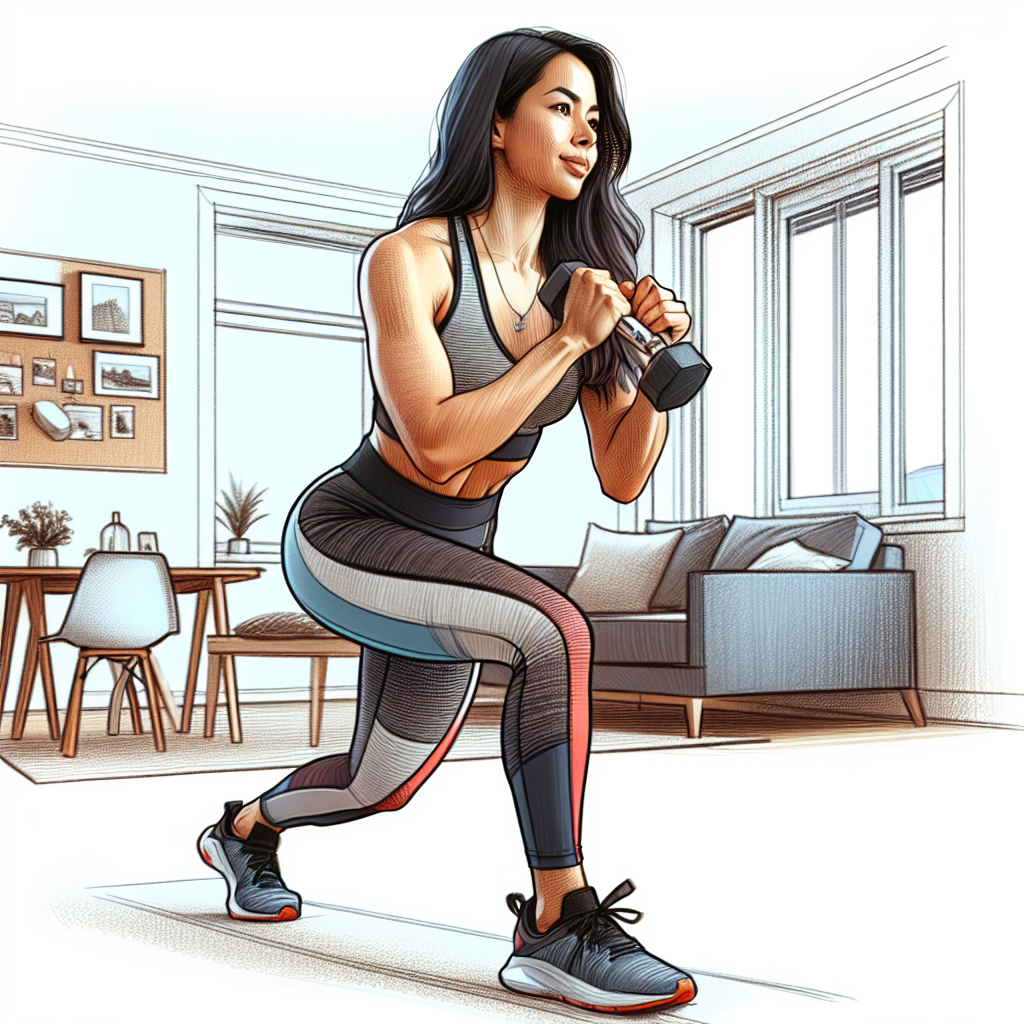
With the increasing demand for efficient and flexible fitness solutions, home training programs that require no equipment have gained significant popularity. These programs provide a practical approach to achieving fitness goals without the need for a gym membership or specialized gear. This article outlines how you can effectively engage in a no-equipment home training program, enabling you to improve your strength, flexibility, and overall well-being. For those seeking a commitment-free option, I recommend trying a 30-day exercise program that requires just six minutes a day but promises gym-like results. You can register for free here: 30-Day Exercise Program.
- Understanding the Benefits of Home Training
- Designing Your No-Equipment Workout Plan
- Practical Exercises to Include
- Common Myths About Home Workouts
- When to Consult a Fitness Professional
- Frequently Asked Questions
Understanding the Benefits of Home Training
Engaging in a home training program can offer several key advantages. Primarily, it enhances accessibility, allowing individuals to work out at their convenience. Additionally, no-equipment exercises often utilize body-weight movements that improve functional strength and can be adapted easily for various fitness levels. Such programs can lead to improved mental health, boosted energy levels, and a sense of community if paired with online platforms or groups.
Designing Your No-Equipment Workout Plan
A well-structured workout plan is crucial for optimizing results. Here are some essential components to consider:
- Warm-Up: Always start with a brief warm-up to prepare your body for exercise.
- Focus Areas: Decide which muscle groups or fitness elements you want to emphasize, whether it be strength, cardio, flexibility, or a combination.
- Progress Tracking: Keep logs of your workouts to monitor improvements, allowing for adjustments as you advance.
Practical Exercises to Include
Here are several no-equipment exercises that can be incorporated into your routine:
- Push-Ups: Great for upper body strength.
- Squats: Effective for lower body strength and can be varied with jumps for added intensity.
- Planks: Excellent for core strength and stability.
- Burpees: A full-body exercise to boost cardiovascular fitness.
- Lunges: Target the legs and improve balance and coordination.
Feel free to mix and match these exercises to keep your routine fresh and engaging.
Common Myths About Home Workouts
Despite the many advantages of home training, several misconceptions persist:
- Home Workouts are Less Effective: Properly designed body-weight exercises can be as effective as gym workouts.
- You Cannot Build Muscle at Home: With correct progressions and high-repetition training, muscle growth is entirely possible.
- Only Cardio is Beneficial: Strength training is critical for overall health and can be effectively done at home.
When to Consult a Fitness Professional
While many individuals can successfully follow a no-equipment program, certain situations warrant professional consultation:
- If you have underlying health conditions or injuries, professional guidance is advisable.
- If you experience pain or discomfort during exercises, consider consulting a qualified trainer or physiotherapist.
- For customized workout plans tailored to specific goals, seeking a fitness professional can be beneficial.
Frequently Asked Questions
Can I really get fit without equipment?
Yes, body-weight exercises can effectively improve fitness. They enhance strength, flexibility, and cardiovascular health.
How often should I train at home?
A minimum of three to five times a week is ideal for seeing results, depending on your fitness level and goals.
Are short workouts effective?
Absolutely! Short, high-intensity workouts can produce significant results, especially when performed consistently.
What if I’m a beginner?
Start with basic exercises and gradually increase intensity and complexity as you build strength and confidence.
How can I stay motivated to exercise at home?
Establish a routine, set clear goals, and consider joining online communities for support and accountability.
Is a warm-up necessary?
Yes, warming up helps prevent injuries and prepares your body for more intense activity by increasing blood flow to your muscles.
Conclusion
- Home training programs offer flexibility and accessibility without equipment.
- A well-structured plan, incorporating a variety of exercises, is key to success.
- Common myths about home workouts can mislead individuals; awareness is crucial.
- Consulting a professional is recommended when dealing with health concerns or specific goals.
- Consider engaging in a structured program that limits daily workouts to just six minutes to see effective results.
In summary, embracing a no-equipment training program can be both rewarding and achievable. If you are ready to take the first step towards enhanced fitness, consider registering for the 30-day exercise program designed to fit into your busy lifestyle.
Author: John Angel