Categories
Fitness

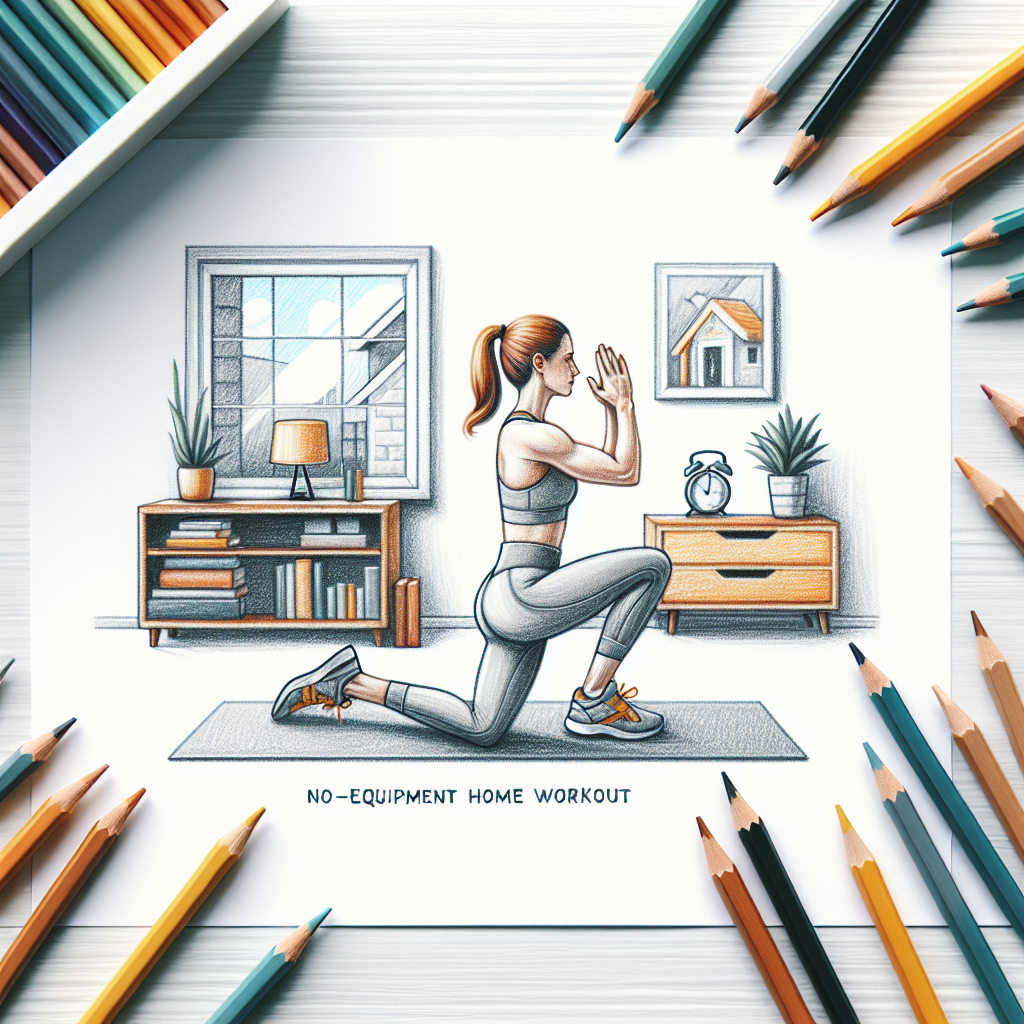
Effective Home Workout Plan for Fitness Without a Gym

Workout Plan Without Gym: Achieving Fitness Anywhere

With the increasing popularity of remote work and the hectic pace of modern life, many individuals find it challenging to commit time to a gym routine. Fortunately, effective workout plans can be implemented without stepping into a gym, allowing for flexibility and accessibility. This article will provide a comprehensive guide on how to structure a workout plan that yields results comparable to traditional gym sessions, utilizing just your body weight and everyday surroundings.

  • Understanding the Benefits of Home Workouts
  • Essential Components of an Effective Workout Plan
  • Sample Workout Structure
  • Myths About Home Workouts
  • When to Consult a Professional
  • FAQs
  • Conclusion

Understanding the Benefits of Home Workouts

Embarking on a fitness journey at home presents numerous advantages. Not only does it remove the time and cost associated with gym memberships, but it also offers unparalleled convenience. Individuals can adapt their schedules, exercise in the comfort of their homes, and choose their preferred times for workouts. Additionally, research indicates that home workouts can foster greater consistency, as they eliminate barriers by making fitness more accessible.

Essential Components of an Effective Workout Plan

Creating an efficient workout plan without the constraints of a gym requires attention to several critical components:

  • Warm-Up: Always start with a warm-up to prepare your body for physical activity and reduce the risk of injury.
  • Strength Training: Include body-weight exercises to build muscle and strength.
  • Cardiovascular Exercise: Integrate activities that raise your heart rate, such as running in place, jumping jacks, or burpees.
  • Flexibility and Mobility: Incorporate stretching to enhance flexibility and reduce muscle stiffness.
  • Cooldown: End with a cooldown to relax your muscles and lower your heart rate.

Sample Workout Structure

A sample workout plan can be structured to fit into just six minutes a day, promising effective results as though you were visiting a gym. For instance:

  1. Warm-Up (1 Minute): Perform dynamic stretches such as arm circles and leg swings.
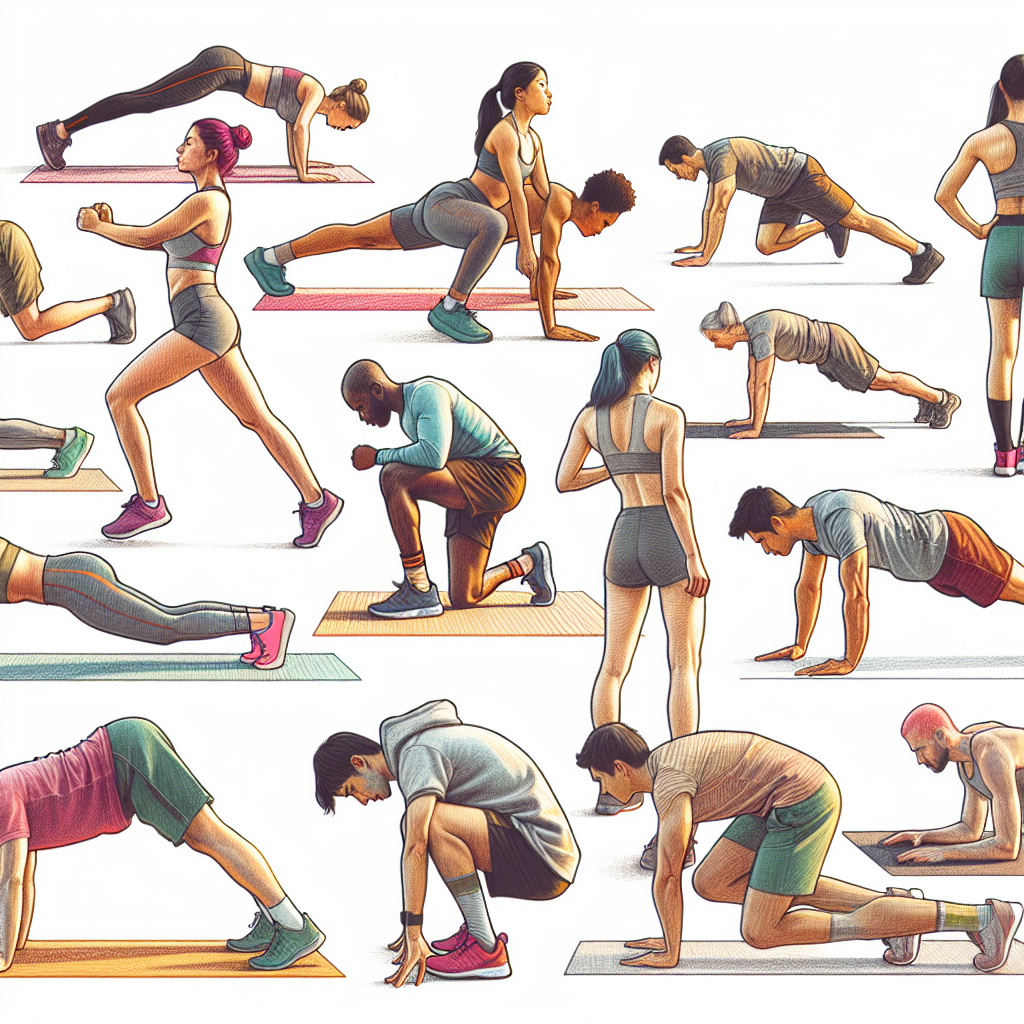
  2. Strength Training (3 Minutes): Execute the following circuit, performing each exercise for 30 seconds with short breaks in between:
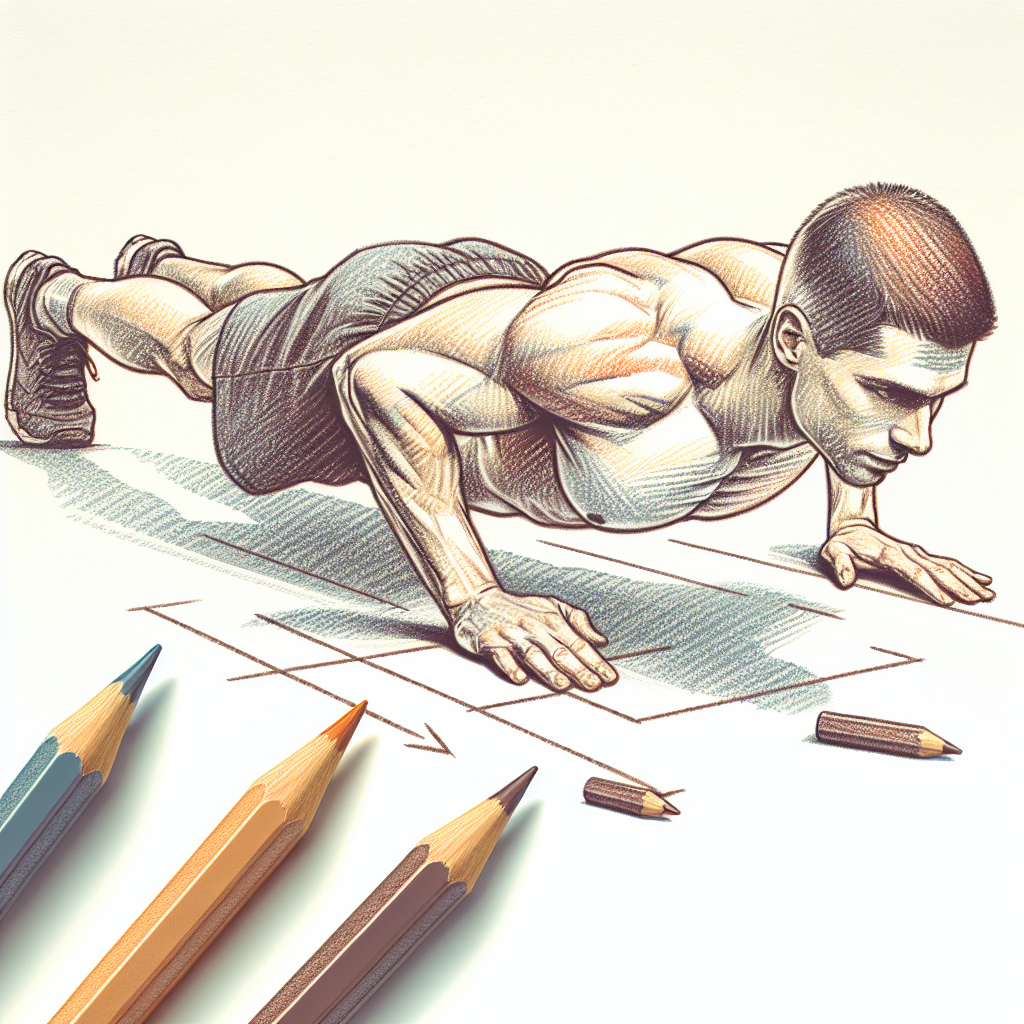
    • Push-ups
    • Body-weight squats
    • Plank
    • Jumping jacks
    • Mountain climbers
  3. Cooldown (2 Minutes): Conclude with stretching exercises focusing on major muscle groups.

To facilitate a more structured approach, you can sign up for a 30-day exercise program, which requires only six minutes of daily effort but promises gym-like results.

Myths About Home Workouts

There are several misconceptions surrounding home workouts that may deter individuals from fully embracing them:

  • Myth 1: Home workouts are less effective than gym workouts.
  • Myth 2: You need expensive equipment to achieve results.
  • Myth 3: You can’t build muscle without a gym.
  • Myth 4: You should not sweat or work hard at home workouts.

Contrary to these myths, body-weight exercises can be incredibly effective, and proper form combined with consistent effort can lead to significant improvements in fitness.

When to Consult a Professional

While many individuals can effectively execute home workouts, it is advisable to consult a qualified professional under certain circumstances:

  • If you experience persistent pain or discomfort while exercising.
  • If you are recovering from an injury and unsure of how to proceed safely.
  • If you have specific fitness goals that require tailored guidance.
  • If you seek nutritional advice to complement your fitness routine.

Frequently Asked Questions

Can I lose weight with home workouts?

Yes, home workouts can contribute to weight loss when combined with a balanced diet and maintained consistency.

Do I need any equipment for home workouts?

No, body-weight exercises can be highly effective without any equipment. However, you may choose to incorporate simple tools like resistance bands or dumbbells for added resistance.

How long should I work out each day?

A minimum of six minutes a day can yield results, but gradually increasing workout duration can enhance your benefits.

Is it safe to work out at home without supervision?

For most individuals, it is safe as long as exercises are performed with proper form and according to personal fitness levels. However, consulting a trainer for an initial assessment may be beneficial.

Can I achieve the same results as a gym workout at home?

Yes, with dedication and the right exercises, you can achieve comparable fitness results as you would in a gym setting.

What types of exercises should I focus on at home?

A balanced mix of strength training, cardio, and flexibility exercises is ideal for a comprehensive fitness plan.

Conclusion

  • Home workouts are effective and flexible alternatives to traditional gym routines.
  • Incorporating a variety of exercises ensures a well-rounded workout regimen.
  • Dispelling myths can empower individuals to embrace fitness at home.
  • Consulting professionals is essential when facing challenges or health concerns.
  • With commitment, even quick workouts can produce significant results.

Now that you have the tools to start your fitness journey, consider exploring a structured approach through a 30-day exercise program that perfectly fits your busy schedule.

Author: John Angel
Related articles

Categories
Fitness

Effective Bodyweight Workouts for All Fitness Levels

Workouts You Can Do Without Equipment

In today’s fast-paced world, the pursuit of fitness often feels daunting, especially when access to equipment or a gym is limited. Fortunately, bodyweight workouts offer a practical and effective alternative. In this article, we will explore various workouts that can be performed anywhere, with no need for gym equipment, allowing individuals to achieve their fitness goals effectively and efficiently.

  • Understanding Bodyweight Workouts
  • The Benefits of Equipment-Free Exercises
  • Effective Bodyweight Exercises
  • How to Create a Simple Routine
  • When to Consult a Professional
  • Common Myths about Bodyweight Workouts
  • Frequently Asked Questions
  • Conclusion

Understanding Bodyweight Workouts

Bodyweight workouts utilize the weight of your own body for resistance rather than relying on external equipment. These exercises are versatile and can be easily tailored to suit any fitness level, making them accessible to a wider audience. From beginners to seasoned athletes, anyone can benefit from a structured bodyweight routine.

The Benefits of Equipment-Free Exercises

Engaging in workouts without equipment offers several advantages, including:

  • Accessibility: Bodyweight exercises can be performed virtually anywhere, whether at home, in a park, or while traveling.
  • Cost-Effective: There are no gym memberships or equipment purchases required.
  • Improved Functional Strength: These exercises often mimic everyday movements, enhancing overall strength and stability.
  • Flexibility in Routine: Without the need for special equipment or a specific location, individuals can conveniently fit workouts into their schedules.
  • Progressive Challenge: Bodyweight exercises can be modified and intensified as one progresses, ensuring continuous improvement.

Effective Bodyweight Exercises

Here are some fundamental exercises you can incorporate into your routine:

  • Push-Ups: Strengthen the chest, shoulders, and triceps.
  • Squats: Enhance lower body strength, targeting the quadriceps, hamstrings, and glutes.
  • Lunges: Develop leg strength and improve balance.
  • Plank: Build core strength and stability.
  • Burpees: A full-body workout that enhances cardiovascular fitness and strength.
  • Mountain Climbers: Combine cardio with core strengthening.

How to Create a Simple Routine

To maximize the benefits of bodyweight workouts, consider the following steps:

  1. Set Clear Goals: Determine what you want to achieve (e.g., weight loss, muscle gain, increased endurance).
  2. Choose Your Exercises: Select 4-6 exercises that target different muscle groups.
  3. Determine Frequency: Aim for at least 3-4 sessions per week.
  4. Time Your Workouts: Start with short sessions, gradually increasing duration as your fitness improves. You can also participate in a 30-day exercise program where you only exercise for six minutes daily but achieve results akin to frequent gym visits. For more information, visit here.
  5. Monitor Progress: Keep track of your workouts and gradually increase intensity to ensure continual advancement.

When to Consult a Professional

While bodyweight exercises can be performed by most individuals, there are situations where it is advisable to seek professional guidance:

  • If you experience persistent pain or discomfort during exercises.
  • Should you have chronic health conditions that might be aggravated by increased physical activity.
  • If you are unsure how to perform certain exercises safely to prevent injury.
  • When you wish to focus on specific goals that require specialized training.

Common Myths about Bodyweight Workouts

Misconceptions can often deter individuals from trying bodyweight exercises. Here are some prevalent myths debunked:

  • Myth 1: Bodyweight workouts are less effective than weighted training.
  • Myth 2: These workouts don’t provide cardiovascular benefits.
  • Myth 3: Individuals cannot build significant muscle without weights.
  • Myth 4: Bodyweight exercises are only suitable for beginners.

Frequently Asked Questions

Can I build muscle with bodyweight exercises?

Yes, bodyweight exercises can effectively build muscle, especially when tailored to include progressive challenges.

How often should I do bodyweight workouts?

Aiming for 3 to 4 sessions per week is typically recommended for optimal results.

Are bodyweight workouts suitable for all fitness levels?

Yes, bodyweight workouts can be modified to suit beginners through advanced practitioners.

How long should each workout session last?

Sessions can be as short as 10 to 30 minutes, depending on the intensity and number of exercises performed.

Can bodyweight workouts help with weight loss?

Yes, when combined with a balanced diet, bodyweight workouts can promote fat loss while preserving muscle mass.

What are some tips for maintaining motivation?

Setting goals, tracking progress, and varying the routine can help sustain motivation and engagement in workouts.

Conclusion

  • Bodyweight workouts offer an accessible and effective means to enhance strength and fitness.
  • They can be performed anywhere, making them convenient for busy lifestyles.
  • Creating a structured routine allows for customized training that aligns with individual goals.
  • Seeking professional guidance is crucial if experiencing pain or having underlying health conditions.
  • Understanding and debunking myths can empower individuals to explore bodyweight training confidently.

Consider starting your fitness journey today with bodyweight exercises. Remember, a consistent and enjoyable routine is key to maintaining health and wellness in the long run.

Author: John Angel

Related articles

Categories
Fitness

Effective No-Equipment Home Workout Routine for Weight Loss

Workout Routine at Home No Equipment to Lose Weight

Engaging in a weight loss journey often seems daunting, particularly when gym access is limited or nonexistent. However, achieving effective results in the comfort of your own home is entirely feasible with a no-equipment workout routine. By focusing on bodyweight exercises, you can enhance strength, increase cardiovascular fitness, and ultimately lose weight without needing a gym membership or expensive equipment. This article will delve into the essentials of creating an effective home workout plan, common misconceptions, and when to seek professional advice.

  • Understanding the Principles of Weight Loss
  • Key Exercises for a No-Equipment Routine
  • Sample Full-Body Workout Plan
  • When to Seek Professional Guidance
  • Common Myths about Home Workouts
  • FAQs

Understanding the Principles of Weight Loss

Weight loss fundamentally occurs when you burn more calories than you consume. To achieve this, it is essential to create a caloric deficit, which can be accomplished through dietary adjustments and increased physical activity. Home workouts can significantly contribute by elevating your heart rate and helping to build muscle, both of which enhance your metabolism.

Key Exercises for a No-Equipment Routine

A myriad of bodyweight exercises can effectively contribute to weight loss. The following exercises are particularly beneficial:

  • Push-Ups: Engaging multiple muscle groups, push-ups enhance upper body strength while improving core stability.
  • Squats: This lower body workout targets larger muscle groups, facilitating calorie burning and muscle growth.
  • Burpees: As a full-body, compound movement, burpees elevate heart rate and are excellent for cardiovascular fitness.
  • Lunges: Targeting legs and glutes, lunges improve balance and coordination while promoting muscle endurance.
  • Plank: This exercise enhances core strength, improving overall stability and posture.

Sample Full-Body Workout Plan

To assist you in starting a workout routine, here is a simple yet effective plan. Aim to perform this routine 4-5 times per week.

  1. Warm-Up: 5 minutes of jumping jacks or high knees.
  2. Workout:
    • 10 Push-Ups
    • 15 Squats
    • 10 Burpees
    • 10 Lunges (each leg)
    • 30-Second Plank
  3. Cool Down: 5 minutes of stretching.

For those looking for a condensed yet efficient regimen, consider participating in a 30-day exercise program that requires only six minutes of daily commitment. This program is designed to yield results comparable to traditional gym workouts. You can register for free at this link.

When to Seek Professional Guidance

While home workouts are a sustainable and effective approach to weight loss, it’s important to recognize when to consult a qualified professional. If you experience the following symptoms, consider seeking guidance:

  • Persistent pain in joints or muscles
  • Consistent fatigue that affects daily life
  • Difficulty maintaining a healthy diet
  • Signs of an eating disorder
  • Significant weight fluctuations unrelated to diet or exercise

Common Myths about Home Workouts

Despite the growing popularity of home workouts, several myths persist that may deter individuals from embracing this approach:

  • You Can’t Lose Weight Without Equipment: Bodyweight exercises are sufficient for promoting weight loss and muscle strength.
  • All Home Workouts Are Ineffective: A structured routine can be just as effective as gym workouts.
  • Only Cardio Matters for Weight Loss: Strength training is equally important for burning calories and building muscle.
  • Results Are Immediate: Weight loss takes time, and consistency is critical for long-term success.

FAQs

Can I lose weight without exercising?

Yes, weight loss can occur through dietary changes alone, but exercise enhances results and improves overall health.

How long should I exercise each day to lose weight?

A minimum of 30 minutes of moderate exercise most days of the week is recommended for weight loss, but even short bursts of activity can be effective.

Are there specific diets I should follow while exercising at home?

A balanced diet that includes sufficient protein, healthy fats, and carbohydrates is essential for supporting your exercise regimen.

Can I build muscle with a no-equipment workout?

Yes, bodyweight exercises can be effective for muscle building, especially when performed with proper form and progressive overload.

How can I stay motivated to exercise at home?

Setting clear goals, tracking progress, and introducing variety into your workouts can help maintain motivation.

Is it safe to workout at home without supervision?

Generally, it is safe if you use proper techniques and listen to your body. Consult a professional if you are unsure about your form or routine.

Conclusion

  • Weight loss is achievable through a no-equipment workout routine tailored to individual needs.
  • Incorporating bodyweight exercises promotes fat burning and muscle strengthening.
  • Participation in structured programs can enhance exercise effectiveness.
  • Recognizing when to seek professional guidance is crucial for maintaining health.
  • Debunking common myths can facilitate a more positive approach to home workouts.

Embark on your weight loss journey confidently by integrating home workouts into your routine. For those seeking a simple yet effective approach, do not hesitate to register for the aforementioned 30-day program. Every step you take toward your fitness goals counts.

Author: John Angel

Related articles

Categories
Fitness

Effective Bodyweight Workouts: Build Strength Without Weights

The Benefits of Weight-Free Workouts

With the increasing popularity of minimalistic training, workouts without weights have emerged as an effective way to build strength, improve flexibility, and enhance cardiovascular health. These exercises can be performed virtually anywhere, making them an accessible option for individuals with various fitness levels. Beyond mere convenience, bodyweight workouts can lead to significant fitness gains, often rivaling those obtained through traditional weight training. This article delves into various weight-free workouts effective for achieving diverse fitness goals.

  • Understanding the Benefits of Bodyweight Training
  • Effective Bodyweight Exercises
  • A Sample Workout Routine
  • When to Seek Professional Advice
  • Debunking Common Myths
  • Frequently Asked Questions
  • A Call to Action

Understanding the Benefits of Bodyweight Training

Bodyweight training offers numerous advantages, particularly for those unable to access traditional gym equipment. These benefits include:

  • Accessibility: Bodyweight exercises can be performed at home, outdoors, or in any free space.
  • Scalability: Exercises can be modified to suit all fitness levels, making them inclusive.
  • Full-Body Engagement: Many bodyweight exercises engage multiple muscle groups simultaneously, enhancing overall strength.
  • Improved Flexibility: Many moves incorporate stretching, which helps promote flexibility and range of motion.
  • Increased Cardiovascular Health: Certain bodyweight exercises can elevate heart rate, contributing to cardiovascular fitness.

Effective Bodyweight Exercises

This section provides a selection of bodyweight exercises that can be incorporated into your fitness routine.

  • Push-Ups: Great for developing upper body strength, particularly in the chest, shoulders, and triceps.
  • Squats: Excellent for strengthening the lower body, targeting quadriceps, hamstrings, and glutes.
  • Planks: Engage core muscles and improve stability and posture.
  • Lunges: Promote balance and coordination while strengthening the lower body.
  • Burpees: A full-body exercise that enhances strength and boosts cardiovascular fitness.
  • Mountain Climbers: Improve agility and endurance while providing a solid core workout.

A Sample Workout Routine

For those seeking a structured approach, consider this concise routine, which requires only six minutes of your day. A practical, focused regimen can deliver significant results:

  1. Warm-Up: 1 minute of light jogging in place.
  2. Push-Ups: 30 seconds of push-ups, followed by a 15-second rest.
  3. Squats: 30 seconds of squats, followed by a 15-second rest.
  4. Plank: Hold for 30 seconds.
  5. Burpees: Engage in 30 seconds of burpees, followed by a 15-second rest.
  6. Cool Down: 1 minute of gentle stretches focusing on all major muscle groups.

If you would like to explore more structured programs that demand only six minutes a day, consider registering for a 30-day exercise program that promises results comparable to gym workouts.

When to Seek Professional Advice

While bodyweight workouts are generally safe, there are instances where seeking professional guidance is advisable. Consider consulting a qualified professional if:

  • You experience persistent pain during exercises.
  • You have a pre-existing medical condition that could complicate physical activity.
  • You are unsure how to modify exercises to match your fitness level.
  • You are recovering from an injury and wish to ensure a safe return to fitness.

Debunking Common Myths

Several misconceptions surrounding bodyweight training may deter individuals from engaging in such activities. Addressing these myths can encourage more people to explore the benefits of weight-free workouts.

  • Myth 1: Bodyweight workouts are ineffective for building strength.
  • Myth 2: Only heavyweight training can lead to significant muscle growth.
  • Myth 3: Bodyweight exercises are only suitable for beginners.
  • Myth 4: You need a gym to achieve fitness results.

Frequently Asked Questions

Can I build muscle without weights?

Yes, bodyweight exercises can effectively build muscle through resistance and progressive overload techniques.

How often should I do bodyweight workouts?

For optimal results, aim to perform bodyweight workouts at least three times a week, allowing for rest and recovery.

Are bodyweight exercises suitable for all fitness levels?

Yes, bodyweight exercises can be modified to accommodate beginners and advanced athletes alike.

How long should I spend on bodyweight workouts?

Even short, high-intensity workouts of about 6-20 minutes can be effective for fitness gains.

Can bodyweight training improve flexibility?

Absolutely, many bodyweight movements naturally incorporate stretching, which enhances flexibility over time.

Are bodyweight workouts safe?

When performed correctly and with proper form, bodyweight workouts are generally safe; however, consult a professional if you have any health concerns.

Conclusion

  • Convenient: Bodyweight workouts can be done anytime, anywhere.
  • Versatile: Exercises can be tailored to suit all fitness levels, making them inclusive.
  • Effective: They can enhance strength, flexibility, and cardiovascular health.
  • Low-Cost: No equipment is necessary, making it an economical option.
  • Scalable: Exercises can be modified for increased difficulty as fitness levels improve.

Explore efficient training options without the need for weights and transform your fitness journey today. Start your six-minute daily regimen by signing up for a 30-day exercise program designed for lasting results.

Author: John Angel

Related articles

Categories
Fitness

Effective No-Weight Workout Routine for Men

Workout Routine for Men: No Weights Needed

In today’s fast-paced world, finding time to visit a gym can be a challenge, yet remaining fit is essential for maintaining a healthy lifestyle. This blog article focuses on effective workout routines for men that require no weights. By utilizing bodyweight exercises, one can achieve strength, improve endurance, and promote flexibility—all from the comfort of home or outdoors. A unique aspect of this approach is the introduction of a free 30-day exercise program, which allows you to work out for just six minutes a day while obtaining results comparable to traditional gym workouts. You can register for this program at this link.

  • Understanding Bodyweight Exercises
  • Benefits of Working Out Without Weights
  • Sample No-Weight Workout Routine
  • Common Mistakes and Myths
  • When to Seek Professional Guidance
  • Frequently Asked Questions
  • Conclusion

Understanding Bodyweight Exercises

Bodyweight exercises utilize an individual’s own weight for resistance, making them a versatile and accessible option for many. These movements can target various muscle groups simultaneously and can be adapted for different skill levels, making them ideal for both beginners and advanced athletes alike. Some common bodyweight exercises include push-ups, pull-ups, squats, and lunges.

Benefits of Working Out Without Weights

There are numerous advantages to a no-weight workout routine:

  • Accessibility: Bodyweight workouts can be performed anywhere, minimizing the need for gym membership fees or equipment purchases.
  • Functional Strength: Many bodyweight exercises improve functional strength, enhancing everyday movements.
  • Flexibility and Balance: Training with body weight promotes flexibility and balance, critical elements in overall fitness.
  • Reduced Injury Risk: Because bodyweight exercises typically involve natural movements, the risk of injury is often lower than with traditional weightlifting.
  • Time-Efficient: Short workouts can be highly effective, allowing for quick yet intense training sessions.

Sample No-Weight Workout Routine

Below is a simple and highly effective workout routine that can be completed in a mere 6 minutes a day:

  1. Jumping Jacks – 1 minute: A great warm-up to elevate your heart rate.
  2. Push-Ups – 1 minute: Targets the upper body, primarily working the chest, shoulders, and triceps.
  3. Bodyweight Squats – 1 minute: Focuses on the legs and glutes.
  4. Plank – 1 minute: Strengthens the core while promoting stability.
  5. Burpees – 1 minute: Combines strength and cardio—works nearly every muscle group.
  6. Mountain Climbers – 1 minute: A dynamic floor exercise that enhances cardiovascular endurance and strengthens the core.

To enhance results, consider registering for the free 30-day program mentioned earlier, which offers more tailored exercises to maximize your fitness journey without the need for weights.

Common Mistakes and Myths

Understanding common misconceptions can enhance the effectiveness of bodyweight workouts:

  • Myth: Bodyweight Training is Not Intense Enough: Many believe that without weights, the workout is less effective. However, intensity can be increased by changing tempo or performing advanced variations.
  • Mistake: Poor Form: Focus on maintaining proper form to prevent injury and maximize benefits.
  • Myth: No Results without Weights: Results are achievable through consistent bodyweight training when done correctly.
  • Mistake: Skipping Warm-Up or Cool Down: Always incorporate these to prevent injuries and aid recovery.

When to Seek Professional Guidance

While bodyweight exercises are generally safe, certain circumstances may require professional consultation:

  • Persistent pain during or after exercises.
  • Existing health conditions, such as heart disease or orthopedic issues.
  • Feeling uncertain about the effectiveness of a routine or specific exercise form.

Frequently Asked Questions

Can I build muscle with bodyweight exercises?

Yes, bodyweight exercises can effectively build muscle, especially when performed in higher repetitions or with variations that increase intensity.

How often should I do bodyweight workouts?

Aim for at least three to five times per week, allowing for rest days for muscle recovery.

Are bodyweight exercises suitable for beginners?

Absolutely, bodyweight exercises are great for beginners and can be modified to suit any fitness level.

How long should a bodyweight workout last?

Even short sessions of 6-10 minutes can be effective if performed at high intensity.

Do I need to warm up before bodyweight workouts?

Yes, warming up is critical to prepare your muscles and reduce the risk of injury.

Is it effective for weight loss?

Yes, incorporating bodyweight exercises into a routine can support weight loss when combined with a balanced diet.

Conclusion

  • Bodyweight exercises offer an effective, accessible way to stay fit.
  • You can achieve significant results without the need for weights.
  • Routine consistency is key to building strength and endurance.
  • Awareness of common mistakes enhances your workout efficiency.
  • Consult a professional if you experience any concerning symptoms.

Embarking on a no-weight workout journey not only enhances fitness but also embraces flexibility and convenience. To get started, consider registering for a specialized 30-day program focused on ease and effectiveness. Maximize your fitness potential today!

Author: John Angel

Related articles

Categories
Home Workouts

Effective No-Equipment Home Workout Routine for All Levels

In today’s fast-paced world, finding time for fitness can be a challenge. A workout routine at home that requires no equipment offers an effective and accessible solution. Such a routine can lead to significant health benefits, improving strength, flexibility, and overall well-being while fitting seamlessly into your daily schedule. This article explores an effective no-equipment workout routine that anyone can do at home, along with essential tips, common misconceptions, and when to consult a professional.

  • Understanding the Basics of Home Workouts
  • Essential Components of a Home Workout Routine
  • Sample No-Equipment Workout Routine
  • When to Consult a Professional
  • Common Myths and Mistakes
  • FAQs
  • Conclusion and Call to Action

Understanding the Basics of Home Workouts

Home workouts have surged in popularity, primarily due to their convenience and the ability to customize routines to fit personal needs. Unlike gym workouts, home routines eliminate the necessity for specialized equipment, allowing individuals to leverage their body weight for strength training. This can be highly effective for building muscular endurance and promoting agility.

Essential Components of a Home Workout Routine

A well-rounded workout includes several key components:

  • Warm-Up: Preparing your body for exercise is critical to prevent injury. Simple movements like jumping jacks, leg swings, and arm circles can elevate your heart rate.
  • Strength Training: Bodyweight exercises like push-ups, squats, and lunges help in building muscle without equipment.
  • Cardiovascular Training: High-Intensity Interval Training (HIIT) can be incorporated through bursts of activity such as burpees or running in place.
  • Flexibility and Cool Down: Stretching exercises can improve flexibility and reduce muscle tension post-workout.

Sample No-Equipment Workout Routine

Below is a simple yet effective 20-minute workout regime that can be performed at home without any equipment. It incorporates strength and cardiovascular elements.

  1. Warm-Up (3 minutes):
    • Jumping Jacks – 1 minute
    • Arm Circles – 1 minute
    • Leg Swings – 1 minute
  2. Strength Training (10 minutes):
    • Push-Ups – 3 sets of 10
    • Bodyweight Squats – 3 sets of 15
    • Lunges – 3 sets of 10 per leg
  3. Cardio Burst (5 minutes):
    • High Knees – 30 seconds
    • Rest – 15 seconds
    • Burpees – 30 seconds
    • Rest – 15 seconds
  4. Cool Down and Stretch (2 minutes):
    • Forward Bend Stretch – 30 seconds
    • Quad Stretch – 30 seconds per leg

For those seeking a quick yet effective routine, consider exploring a unique program where you exercise just 6 minutes each day but achieve gym-like results. You can register for a free 30-day exercise program here.

When to Consult a Professional

While home exercises can be beneficial, certain circumstances necessitate professional advice. If you experience:

  • Persistent pain during or after exercise
  • Difficulty performing simple movements
  • A history of previous injuries or medical conditions
  • Feeling dizzy or unusually fatigued during workouts

In such cases, it is advisable to consult a healthcare professional or a certified fitness trainer to ensure a safe approach to your fitness journey.

Common Myths and Mistakes

Several misconceptions surround home workouts that can deter individuals from starting or continuing their fitness journey:

  • Myth 1: You need expensive equipment to get fit. In reality, bodyweight exercises can be highly effective.
  • Myth 2: Longer workouts yield better results. Efficient short workouts can lead to significant benefits when done consistently.
  • Myth 3: Only cardio helps you lose weight. Strength training plays an essential role in boosting metabolism.
  • Mistake: Skipping warm-ups. This step is crucial for injury prevention.

FAQs

1. Can I build muscle without weights?

Yes, bodyweight exercises like push-ups and squats effectively build muscle strength.

2. How often should I work out at home?

It is generally recommended to exercise at least 3 to 5 times a week for optimal benefits.

3. Are home workouts as effective as gym workouts?

With the right routine, home workouts can be just as effective, especially with bodyweight exercises and HIIT.

4. Do I need to warm up before home workouts?

Yes, warming up helps prepare your body and reduces the risk of injury.

5. Is it normal to feel sore after working out?

Some muscle soreness is normal, especially when starting a new routine, but it should not be severe.

6. What should I do if I cannot complete the workout?

Listen to your body; it’s okay to take breaks or modify exercises to suit your fitness level.

Conclusion and Call to Action

  • Home workouts are effective and customizable to suit individual needs.
  • Incorporating a variety of exercises promotes overall fitness.
  • Understanding when to seek professional advice can prevent injuries.
  • Dispelling common myths helps individuals embark on their fitness journey confidently.
  • A consistent routine, even for just 6 minutes daily, can yield significant results.

Consider incorporating these workouts into your daily routine and explore the free 30-day exercise program for an additional structured approach to home fitness. Start your transformation today!

Author: John Angel

Related articles

Categories
Fitness

Effective No-Gym Workout Routine for Busy Individuals

Introduction

In our fast-paced world, finding time to visit a gym can often feel like an insurmountable challenge. However, exercising at home or outdoors presents a viable alternative that requires minimal equipment and can be just as effective. This article outlines a comprehensive workout routine that empowers individuals to maintain their fitness regimen without the confines of a gym. Furthermore, you can achieve noticeable results in just six minutes a day through a specially designed 30-day exercise program, which you can register for here.

  • Benefits of a No-Gym Workout
  • Essential Equipment
  • Effective Bodyweight Exercises
  • Creating Your Weekly Schedule
  • Common Myths About Home Workouts
  • When to Consult a Professional
  • Frequently Asked Questions

Benefits of a No-Gym Workout

Working out without a gym membership offers a multitude of benefits:

  • Flexibility: You can choose the time and place that suits you best.
  • Cost-Efficiency: The absence of membership fees and travel costs saves money.
  • Comfort: Exercising in your own space allows for a more relaxed atmosphere.
  • Variety: You can explore various outdoor and indoor exercises, keeping the routine fresh and engaging.
  • Personal Progress: Measurement is based on personal goals rather than gym standards.

Essential Equipment

While it’s possible to achieve remarkable results using just your body weight, having some basic equipment can enhance your workouts:

  • Yoga Mat: For comfort while performing floor exercises.
  • Resistance Bands: These are versatile and ideal for strength training.
  • Jump Rope: Great for cardiovascular workouts and coordination.
  • Dumbbells: If you can, a pair of moderate-weight dumbbells can add variety.

Effective Bodyweight Exercises

To create an effective no-gym workout routine, incorporate the following bodyweight exercises:

  • Push-Ups: Excellent for upper body strength.
  • Squats: Great for lower body workout; can be performed with a variation of stances.
  • Plank: An effective core stabilizer, holding for increments builds endurance.
  • Lunges: Can be modified to target different muscle groups.
  • Burpees: A full-body movement that combines strength and cardio.

Creating Your Weekly Schedule

Consistency is key in any fitness program. A sample weekly schedule could include:

  1. Day 1: 6 minutes of push-ups and planks.
  2. Day 2: 6 minutes of squats and lunges.
  3. Day 3: 6 minutes of burpees and jump rope.
  4. Day 4: Rest or yoga for flexibility.
  5. Day 5: 6 minutes combining all exercises.
  6. Day 6: 6 minutes of active stretching or light cardio.
  7. Day 7: Rest or a light walk.

Common Myths About Home Workouts

Despite the growing popularity of no-gym workouts, several myths persist:

  • Myth 1: You cannot lose weight without gym equipment.
  • Myth 2: You need a considerable amount of time to see results.
  • Myth 3: Home workouts are less effective compared to gym routines.
  • Myth 4: Only high-impact workouts lead to muscle gain.

When to Consult a Professional

While exercising independently can be beneficial, certain signs indicate when it may be necessary to seek professional guidance:

  • Persistent pain that does not improve with rest.
  • Uncertainty about proper form or technique.
  • Health conditions that may complicate exercise routines, such as heart issues or arthritis.
  • If you do not see any tangible results after consistent effort over a few months.

Frequently Asked Questions

Can I achieve similar results at home as in the gym?

Yes, with the right routine and consistency, you can achieve comparable results.

How often should I do bodyweight exercises?

Start with three to four times a week and adjust based on your progress.

Do I need to follow a specific diet while exercising at home?

A balanced diet complements your workout regimen and enhances results.

Can I lose weight with a 6-minute workout?

Yes, with consistency and proper intensity, short workouts can aid in weight loss.

What should I do if I’m new to exercising?

Start slowly, focus on form, and consider following beginner routines.

Is it necessary to warm up before bodyweight exercises?

Absolutely, warming up reduces the risk of injury and prepares your body for exercise.

Conclusion

  • Working out at home is flexible, cost-effective, and convenient.
  • Basic equipment can enhance your bodyweight workouts.
  • Consistency is vital for achieving results.
  • Common myths about home workouts can mislead you; they can be equally effective.
  • Consulting a professional may be necessary when pain or challenges arise.

If you’re ready to embark on a new adventure in fitness, consider registering for the 30-day exercise program designed for maximum results in merely six minutes a day. Here’s to a healthier you!

Author: John Angel

Related articles

Categories
Fitness

Beginner-Friendly Home Workouts Without Equipment

Workout Routines for Beginners at Home Without Equipment

Starting a fitness journey can be both exciting and daunting, especially for beginners. Fortunately, you can enjoy effective workouts without stepping foot in a gym or investing in expensive equipment. These home-based routines can help enhance your strength, flexibility, and overall well-being. This article will provide you with structured, beginner-friendly workout routines that require no equipment, ultimately assisting you in achieving your fitness goals efficiently.

  • Understanding Bodyweight Exercises
  • Beginner Workout Routines
  • Steps for Creating Your Own Routine
  • Common Myths and Mistakes
  • When to Consult a Professional
  • Frequently Asked Questions
  • Conclusion

Understanding Bodyweight Exercises

Bodyweight exercises are movements where your own weight is utilized for resistance. These exercises engage multiple muscle groups, improve balance, and enhance coordination. Suitable for all fitness levels, bodyweight workouts can be modified to match your skill level and physical condition. The beauty of these exercises lies in their convenience; they can be performed anywhere, anytime.

Beginner Workout Routines

The following beginner routines emphasize fundamental movements that core strength, flexibility, and cardiovascular endurance.

Full-Body Routine

  1. Warm-Up (5 Minute):
    • Arm Circles: 30 seconds
    • Walking Lunges: 1 minute
    • High Knees: 1 minute
    • Side-to-Side Leg Swings: 1 minute
    • Torso Twists: 1 minute
  2. Main Workout (15 Minutes):
    • Push-Ups: 10-15 reps
    • Squats: 15-20 reps
    • Plank: 30 seconds
    • Jumping Jacks: 1 minute
    • Reverse Lunges: 10-15 reps (each leg)
    • Glute Bridges: 15-20 reps
    • Mountain Climbers: 30 seconds
  3. Cool Down (5 Minutes):
    • Child’s Pose: 1 minute
    • Standing Quad Stretch: 30 seconds (each leg)
    • Seated Forward Bend: 1 minute
    • Lying Spinal Twist: 1 minute (30 seconds each side)

Cardio Routine

  1. Warm-Up (5 Minutes):
    • March in Place: 1 minute
    • Arm Crosses: 1 minute
    • Leg Swings: 1 minute
    • Hip Circles: 1 minute
    • Jumping Jacks: 1 minute
  2. Main Workout (15 Minutes):
    • Burpees: 10-15 reps
    • Skaters: 1 minute
    • Jump Squats: 10-15 reps
    • High Knees: 30 seconds
    • Wall Sit: 30 seconds
    • Fast Feet: 1 minute
  3. Cool Down (5 Minutes):
    • Standing Hamstring Stretch: 30 seconds (each leg)
    • Forward Fold: 1 minute
    • Shoulder Stretch: 30 seconds (each arm)
    • Figure Four Stretch: 1 minute (30 seconds each leg)

For a more structured approach, consider participating in a 30-day exercise program where you only need to dedicate 6 minutes a day yet achieve results comparable to a gym routine.

Steps for Creating Your Own Routine

Creating a personalized workout plan involves several key steps. By carefully considering your goals and preferences, you can craft a routine that works for you.

  1. Assess Your Fitness Level: Determine your starting point by considering your current strength, flexibility, and endurance.
  2. Set Clear Goals: Establish achievable and measurable goals, such as improving endurance or building strength.
  3. Select Exercises: Choose a variety of bodyweight exercises that target different muscle groups.
  4. Create a Schedule: Plan your workouts for consistency, ideally 3-5 times per week.
  5. Track Your Progress: Keep a record of your workouts to monitor your improvements and stay motivated.

Common Myths and Mistakes

Misunderstandings around home workouts can lead to ineffective routines or even injuries. Here are some prevalent myths and mistakes:

  • Myth: You need expensive equipment to get fit.
  • Myth: Longer workouts always yield better results.
  • Common Mistake: Neglecting form for speed; prioritizing proper technique is crucial.
  • Common Mistake: Skipping warm-ups and cool-downs can increase the risk of injury.
  • Myth: Bodyweight exercises are not as effective as weight training.

When to Consult a Professional

While embarking on a home workout program, it is essential to acknowledge when professional guidance is needed. Consider consulting a qualified fitness trainer or healthcare provider if:

  • You have existing medical conditions or injuries.
  • You experience pain or discomfort during exercises.
  • You are unsure how to perform exercises safely and effectively.
  • You need personalized guidance to achieve specific fitness goals.
  • You feel overwhelmed and uncertain about where to start.

Frequently Asked Questions

What exercises can I do at home without equipment?

You can perform exercises like push-ups, squats, lunges, planks, and burpees, utilizing your body weight for resistance.

How often should I work out as a beginner?

As a beginner, aim for 3-5 times a week, ensuring to include rest days for recovery.

Can I lose weight with home workouts?

Yes, consistent home workouts combined with a balanced diet can lead to weight loss and improved fitness.

How long should my workouts be?

Workouts can be effective in as little as 20-30 minutes, focusing on intensity and quality over duration.

Do I need to warm-up and cool down?

Yes, warming up prepares your body, and cooling down helps in recovery and flexibility.

What if I don’t see results quickly?

Results take time. Stay consistent, track your progress, and adjust your routine as needed to keep improving.

Conclusion

  • Bodyweight exercises can effectively improve strength and flexibility.
  • Consistent workout routines can be designed without equipment.
  • Creating a personalized routine involves assessment, goal-setting, and tracking progress.
  • Be aware of myths and common mistakes that can hinder your fitness journey.
  • Consult professionals if experiencing pain, discomfort, or uncertainty.

Take the first step toward your fitness journey today! Consider joining a structured program that allows you to work out for just 6 minutes a day while achieving substantial results. Explore the 30-day exercise program now!

Author: John Angel

Related articles

Categories
Fitness

Effective Bodyweight Workouts for Muscle Building

Workout Routines to Build Muscle Without Equipment

Building muscle does not necessarily require a gym or expensive equipment. With the right workout routines, you can effectively engage your muscles using just your body weight. This article provides valuable insights and practical steps for creating muscle-building routines without the need for equipment. Whether you’re at home, outdoors, or traveling, these exercises can help you reach your fitness goals.

  • Understanding Bodyweight Exercises
  • Effective Muscle-Building Routines
  • Tips for Maximizing Results
  • When to Seek Professional Help
  • Common Myths and Misconceptions
  • FAQ

Understanding Bodyweight Exercises

Bodyweight exercises utilize the weight of your own body to perform resistance training, mimicking many movements found in traditional weightlifting. They can improve strength, endurance, flexibility, and overall fitness levels.

Common bodyweight exercises include push-ups, squats, lunges, and planks. These exercises engage multiple muscle groups, enhancing coordination and functional strength. They are also highly adaptable, allowing you to modify them according to your fitness level.

Effective Muscle-Building Routines

The following routines emphasize compound movements that engage multiple muscle groups, promoting muscle growth and building strength:

Routine 1: Upper Body Strength

  1. Push-ups: 3 sets of 8-12 reps
  2. Tricep Dips (using a chair): 3 sets of 8-12 reps
  3. Inverted Rows (using a sturdy table): 3 sets of 8-12 reps

Routine 2: Lower Body Strength

  1. Squats: 3 sets of 12-15 reps
  2. Lunges: 3 sets of 10 reps on each leg
  3. Calf Raises: 3 sets of 15-20 reps

Routine 3: Core Stability

  1. Plank: 3 sets of 30-60 seconds
  2. Side Plank: 3 sets of 15-30 seconds on each side
  3. Mountain Climbers: 3 sets of 15-20 reps

Tips for Maximizing Results

For effective muscle building, consider the following tips:

  • Maintain a consistent workout schedule, ideally 3-5 times a week.
  • Focus on proper form to prevent injuries.
  • Incorporate progressive overload by gradually increasing repetitions or sets.
  • Ensure sufficient rest between sets; ideally 30-90 seconds.
  • Consider integrating a short yet effective program, such as a 30-day exercise plan consisting of only 6 minutes of daily workouts. You can register for a free program here.

When to Seek Professional Help

If you experience persistent pain or discomfort while exercising, it is essential to consult a qualified fitness professional or a medical practitioner. Signs that you should seek professional assistance include:

  • Severe or acute pain during exercise
  • Injuries from previous workouts that do not heal
  • A significant decrease in performance or ability to complete exercises

Common Myths and Misconceptions

As bodyweight exercises gain popularity, several myths persist. Understanding these misconceptions can enhance your workout experience:

  • Myth: Bodyweight exercises do not build muscle. In reality, they can be just as effective as weightlifting, especially for beginners.
  • Myth: Only intense workouts yield results. Consistency and proper form are far more critical than intensity alone.
  • Myth: You need a gym for muscle growth. Home workouts can be equally beneficial with the right approach.

FAQ

Can I build muscle without any equipment?

Yes, bodyweight exercises can effectively build muscle strength and size without any equipment.

How often should I perform bodyweight workouts?

Aim for 3-5 sessions per week, allowing for recovery between workouts.

What are the best bodyweight exercises for beginners?

Push-ups, squats, lunges, and planks are excellent starting points for beginners.

Can I lose weight while building muscle with bodyweight exercises?

Yes, bodyweight workouts can support both muscle building and weight loss, especially when combined with a balanced diet.

How long will it take to see results from bodyweight workouts?

Results vary, but consistency typically leads to noticeable improvements within 4-6 weeks.

Is it necessary to warm up before the workout?

Absolutely. Warming up prepares your muscles and reduces the risk of injury.

Conclusion

  • Bodyweight exercises are effective for building muscle without expensive equipment.
  • Focus on compound movements to maximize your workout efficiency.
  • Consistency and proper technique are crucial for effective results.
  • Be aware of warning signs that may require professional consultation.
  • Break common myths surrounding bodyweight training for a more successful fitness journey.

Start your journey towards building muscle effectively without equipment today. For a guided experience, consider registering for a free 30-day program that requires just 6 minutes of daily commitment. You can get started here.

Author: John Angel

Related articles

Categories
Fitness

No-Weight Home Workouts: Achieve Fitness Anywhere

Workout with No Weights at Home: Maximizing Results Anywhere

In today’s fast-paced world, finding time for the gym can be a challenge. Fortunately, you can achieve a full-body workout at home without the need for weights or complex equipment. This article will explore effective exercises, benefits, and provide a structured program for engaging in workouts that take as little as six minutes a day. Moreover, you can kickstart your fitness journey by registering for a free, 30-day exercise program where minimal time spent yields notable results. For more information, visit this link.

  • Understanding Bodyweight Exercises
  • Benefits of Working Out Without Equipment
  • Key Exercises for a Full-Body Workout
  • How to Set Up a 6-Minute Routine
  • When to Seek Professional Guidance
  • Common Misconceptions About Bodyweight Workouts
  • Frequently Asked Questions (FAQ)
  • Conclusion and Summary

Understanding Bodyweight Exercises

Bodyweight exercises utilize your own weight as resistance, making them incredibly versatile and accessible. They can effectively target major muscle groups without the need for any additional equipment. Examples include push-ups, squats, planks, and lunges. By maintaining proper form, you can enhance the effectiveness of these exercises while minimizing the risk of injury.

Benefits of Working Out Without Equipment

Engaging in bodyweight exercises presents numerous advantages:

  • Convenience: You can perform these workouts anywhere, from a living room to a park.
  • No Cost: Bodyweight workouts are free, eliminating the need for gym memberships or equipment purchases.
  • Flexibility: You can easily adapt the workout to fit your schedule, requiring only a few minutes each day.
  • Improved Functional Strength: These exercises promote strength for everyday activities, enhancing your overall functionality.
  • Cardiovascular Benefits: Intense bodyweight workouts can raise your heart rate, improving cardiovascular health.

Key Exercises for a Full-Body Workout

The following exercises can be effectively incorporated into a no-weights workout routine:

  • Push-ups: Target your chest, shoulders, and triceps.
  • Squats: Target your quadriceps, hamstrings, and glutes.
  • Planks: Strengthen your core.
  • Lunges: Work on your lower body stability and strength.
  • Burpees: A full-body movement combining strength and cardiovascular endurance.

How to Set Up a 6-Minute Routine

Creating a compact yet efficient workout routine can be achieved with just a few steps:

  1. Choose 3-5 exercises: From the list above, select exercises that target different muscle groups.
  2. Determine intervals: For example, perform each exercise for 30 seconds followed by 15 seconds of rest.
  3. Warm up: A brief 1-minute dynamic warm-up can prevent injuries.
  4. Execute the routine: Complete the rounds for a total of 6 minutes.
  5. Cool down: Spend a couple of minutes stretching after the workout.

When to Seek Professional Guidance

While bodyweight exercises are generally safe, there are situations where professional advice is paramount:

  • If you have existing health conditions or previous injuries.
  • When you experience pain beyond normal post-workout soreness.
  • If you’re unsure about proper form, which can lead to injury.
  • When seeking tailored advice to meet specific fitness goals.

Common Misconceptions About Bodyweight Workouts

Several myths surround bodyweight training that can deter individuals from embracing this effective workout style:

  • Myth 1: You cannot build muscle without weights.
  • Myth 2: Bodyweight workouts are not sufficient for weight loss.
  • Myth 3: These workouts are only suitable for beginners.
  • Myth 4: Bodyweight exercises are less effective than traditional gym exercises.
  • Myth 5: You must work out for hours to see results.

Frequently Asked Questions (FAQ)

1. Can bodyweight exercises help in weight loss?

Yes, when combined with a balanced diet, bodyweight exercises can contribute to weight loss by increasing calorie expenditure.

2. How often should I perform bodyweight workouts?

For optimal results, aim for 3-4 sessions per week, allowing for rest days in between.

3. How can I increase the difficulty of these workouts?

Increase intensity by performing exercises faster, adding more repetitions, or reducing rest times.

4. Are bodyweight workouts suitable for all fitness levels?

Yes, they can be modified to suit beginners as well as advanced athletes by changing angles or progressively introducing variations.

5. Do I need to warm up before starting a workout?

Yes, warming up is essential to prepare your muscles and joints, reducing the risk of injury.

6. Where can I find guided bodyweight programs?

Guided programs, like the one offered at this link, provide structured routines with minimal time commitment.

Conclusion and Summary

  • Bodyweight exercises are effective and convenient for all fitness levels.
  • They offer numerous health benefits, including improved strength and cardiovascular fitness.
  • A consistent 6-minute routine can yield results comparable to longer workouts.
  • Understanding proper form is crucial for maximizing benefits and minimizing risks.
  • Consulting a professional is advisable if you encounter any pain or struggle with proper technique.

Empowering your fitness journey at home with no weights is both attainable and effective. Start with the simple steps outlined in this article, and for a structured, time-efficient program, consider registering for a free 30-day workout plan that promises to fit seamlessly into your lifestyle. Visit this link to begin your journey towards a healthier you.

Author: John Angel

Related articles

Website analytics information

We use Google Analytics 4 for visitor statistics. Analytics cookies require your consent, which you can change using the button above. The data controller is ZDRAVÍ S ÚSMĚVEM s.r.o., company ID 29283329, contact podpora@revolucnicviceni.cz. Google processes browser, device and page visit information. We do not send form field values to Analytics. How Google uses information · Google Privacy Policy.