
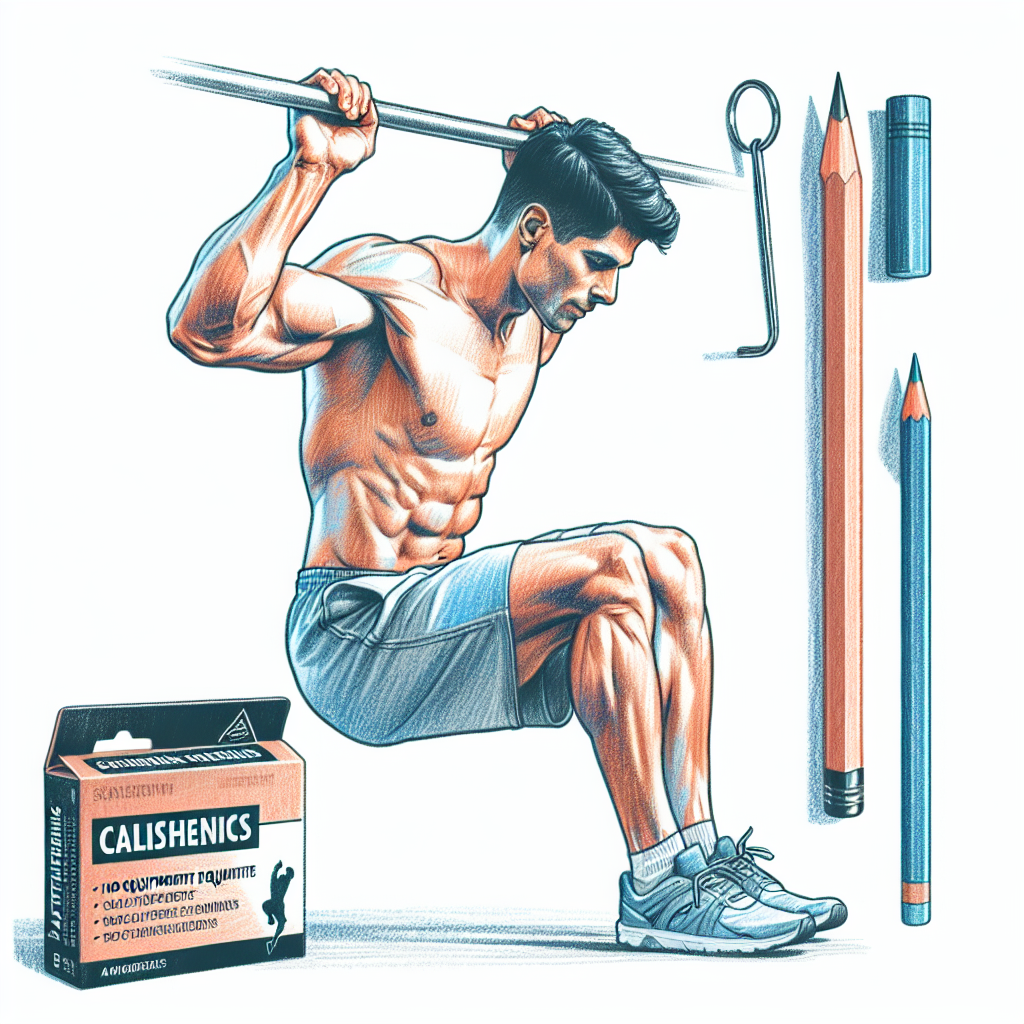
Calisthenics Workout Routine for Beginners: No Equipment Needed
Calisthenics, a form of exercise that utilizes body weight, offers a convenient and effective way for beginners to build strength, flexibility, and endurance without the need for gym equipment. This article outlines a structured calisthenics workout routine that anyone can follow from the comfort of their home. By harnessing the power of simple movements, participants can achieve significant fitness results within a short period. Whether you are looking to tone your muscles or enhance your overall physical fitness, this guide is tailored to help you start your journey.
- Overview of Calisthenics
- Benefits of No-Equipment Workouts
- Beginner’s Workout Routine
- How to Progress Over Time
- Common Mistakes to Avoid
- When to Consult a Professional
- Frequently Asked Questions
Overview of Calisthenics
Calisthenics encompasses a variety of exercises focused on large muscle groups, utilizing the body’s own weight for resistance. This form of training includes movements such as push-ups, squats, and lunges, which engage multiple muscles simultaneously. Unlike traditional weight training, calisthenics promotes functional strength, enhancing your ability to perform daily activities efficiently.
Benefits of No-Equipment Workouts
Engaging in a calisthenics workout routine that requires no equipment presents numerous advantages:
- Accessibility: These workouts can be performed anywhere, eliminating the need for a gym membership.
- Cost-Effective: There is no need to invest in equipment, making this an affordable option for all.
- Adaptability: Exercises can be modified to match individual fitness levels and goals.
- Improved Body Awareness: Bodyweight exercises enhance coordination, balance, and overall body control.
Beginner’s Workout Routine
Here is a simple yet effective calisthenics workout routine suitable for beginners, which can be completed in just 6 minutes per day.
- Warm-Up (1 minute): Begin with jumping jacks or high knees to elevate the heart rate.
- Push-Ups (1 minute): Perform as many push-ups as possible in one minute. Modify by dropping to your knees if needed.
- Bodyweight Squats (1 minute): Stand with feet shoulder-width apart, lower your body as if sitting in a chair, and rise back up.
- Plank (1 minute): Hold a plank position on your forearms and toes, keeping your body in a straight line.
- Mountain Climbers (1 minute): Start in a push-up position, bringing knees alternately toward your chest.
- Cool Down (1 minute): Finish with stretches targeting major muscle groups to enhance flexibility.
For those seeking a structured program, consider registering for a 30-day exercise program that includes 6-minute daily sessions designed to provide results akin to those achieved at the gym.
How to Progress Over Time
Once the beginner routine becomes manageable, consider the following strategies for progression:
- Increase Duration: Gradually extend each exercise or the overall workout time.
- Add Variations: Introduce more challenging movements, such as decline push-ups or single-leg squats.
- Reduce Rest Time: Shorten the breaks between exercises to build endurance.
- Track Your Progress: Keep a journal to record your exercises, repetitions, and any physical changes you observe.
Common Mistakes to Avoid
While embarking on a calisthenics journey, beginners often encounter several pitfalls:
- Improper Form: Prioritize proper technique over the number of repetitions to prevent injuries.
- Neglecting Warm-Up and Cool Down: Skipping these essential components can hinder flexibility and recovery.
- Overtraining: Allow adequate recovery time between workouts to avoid exhaustion or injuries.
- Lack of Consistency: Aim for regular practice to see tangible results and improvements.
When to Consult a Professional
While calisthenics is generally safe for beginners, certain situations warrant consultation with a qualified professional:
- If you experience persistent pain or discomfort during or after workouts.
- When seeking guidance on injury prevention or rehabilitation.
- If you have pre-existing medical conditions that could affect your ability to exercise safely.
- When looking for personalized workout plans tailored to specific fitness goals.
Frequently Asked Questions
What equipment do I need for calisthenics?
No equipment is required for basic calisthenics exercises, making it highly accessible.
How often should I perform calisthenics?
For beginners, performing calisthenics 3 to 5 times a week is recommended.
Can beginners see results from calisthenics?
Yes, consistent practice can lead to noticeable improvements in strength and endurance.
Are calisthenics workouts suitable for all fitness levels?
Absolutely; exercises can be modified to accommodate varying fitness levels.
How long does it take to build strength using calisthenics?
Individual results may vary, but noticeable strength gains can typically be observed within a few weeks of consistent training.
What should I do if I cannot complete an exercise?
Modify the exercise to a simpler version or reduce the number of repetitions until you build confidence and strength.
Conclusion
- Calisthenics offers an effective workout routine for beginners without the need for equipment.
- Accessibility and flexibility are significant advantages of bodyweight training.
- Gradual progression will help enhance your fitness journey.
- Avoid common mistakes by paying attention to form and recovery.
- Consult a professional if you experience discomfort or have specific health concerns.
Embarking on your fitness journey through calisthenics is a commendable choice, providing convenience and efficacy. Consider starting your routine today for a rewarding health transformation. To further aid your progress, register for a 30-day exercise program that requires just 6 minutes daily.
Author: John Angel