
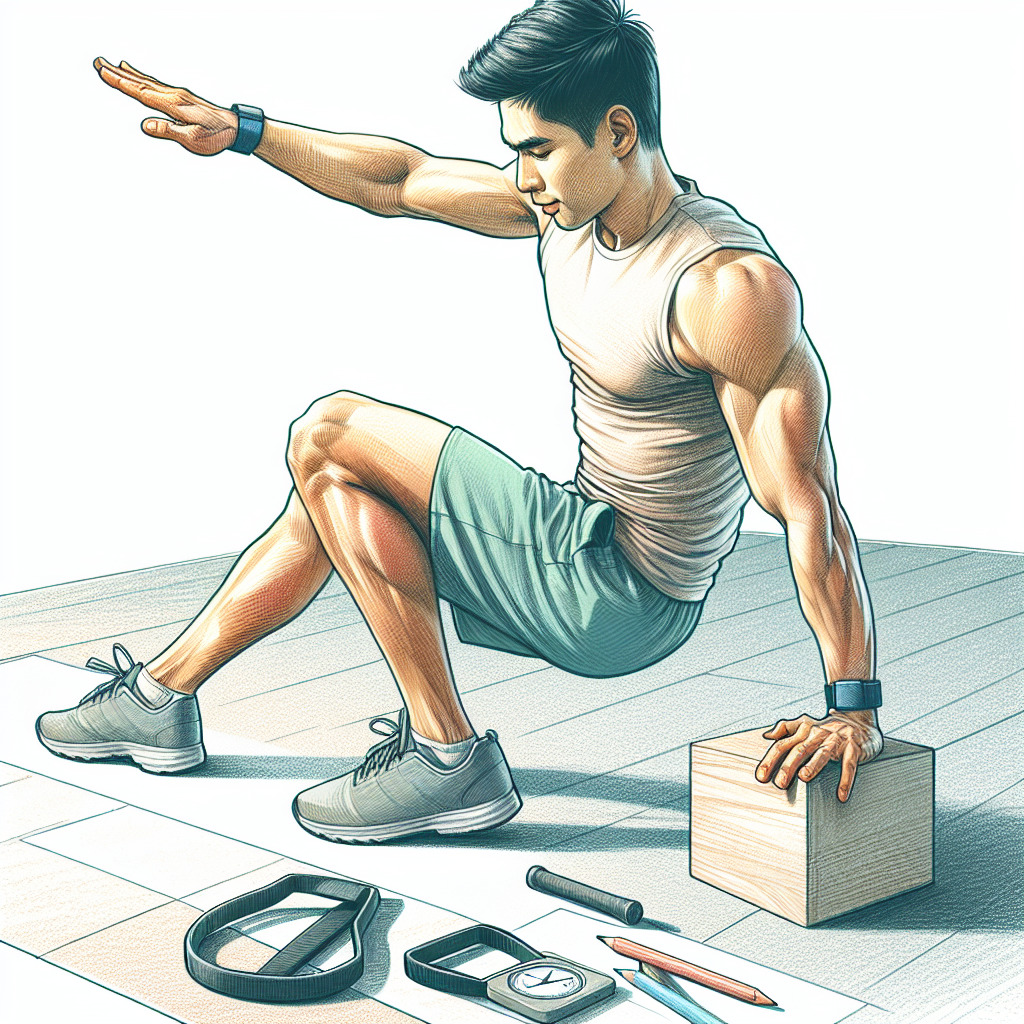
Calisthenics Workout with No Equipment: A Comprehensive Guide
Calisthenics, the art of using one’s own body weight as resistance, presents an excellent opportunity for individuals to enhance their physical fitness without the need for expensive equipment. This workout regime not only builds strength and endurance but also improves flexibility and mobility. Whether you are a beginner or more experienced, calisthenics can fit seamlessly into your lifestyle, enabling you to achieve tangible results with a minimal time commitment.
- What is Calisthenics?
- Benefits of No-Equipment Workouts
- Essential Calisthenics Exercises
- Sample Calisthenics Workout Plan
- When to Seek Professional Help
- Myths and Misconceptions
- Frequently Asked Questions
- Conclusion
What is Calisthenics?
Calisthenics refers to a form of exercise that utilizes body weight to develop strength, endurance, and flexibility. This practice has its roots in ancient Greece and has evolved into a modern form that includes a wide range of movements. Calisthenics can be performed anywhere—at home, in a park, or while traveling—making it a highly versatile workout option.
Benefits of No-Equipment Workouts
Engaging in calisthenics without equipment offers multiple advantages:
- Accessibility: No equipment means no gym membership or purchase is needed, allowing you to start your fitness journey without financial barriers.
- Flexibility: You can exercise anywhere, whether at home or outdoors, fitting workouts into nearly any schedule.
- Functional Strength: Calisthenics builds strength that is applicable to everyday movements.
- Improved Body Awareness: These exercises encourage better control of your body’s movements, promoting balance and coordination.
- Low Impact: Many calisthenics movements are low-impact, reducing the risk of injury compared to high-impact workouts.
Essential Calisthenics Exercises
To maximize your workout, incorporate a variety of fundamental exercises. Below are some key movements:
- Push-Ups: Build upper body strength by targeting the chest, shoulders, and triceps.
- Squats: Enhance lower body strength, focusing on the quadriceps, hamstrings, and glutes.
- Planks: Engage your core and improve overall stability.
- Lunges: Develop balance and leg strength while engaging multiple muscle groups.
- Burpees: Combine strength and cardio in a full-body exercise that boosts stamina.
- Mountain Climbers: Increase heart rates while fortifying core muscles.
Sample Calisthenics Workout Plan
If you are unsure how to start, here’s a simple routine to follow:
- Warm-up (5 minutes): Jog in place or do jumping jacks.
- Push-Ups: 3 sets of 10-15 repetitions.
- Bodyweight Squats: 3 sets of 15-20 repetitions.
- Plank: Maintain for 30-60 seconds, 3 sets.
- Lunges: 3 sets of 10-15 repetitions per leg.
- Burpees: 3 sets of 5-10 repetitions.
- Cool Down: Stretch major muscle groups for 5-10 minutes.
Consider following a structured program like our 30-day exercise program, where you only exercise for 6 minutes each day yet achieve the results equivalent to a traditional gym regimen.
When to Seek Professional Help
While calisthenics can be performed safely by many, certain situations may warrant consultation with a fitness professional:
- Experiencing persistent pain during workouts.
- Having pre-existing medical conditions that could affect exercise.
- Uncertainty regarding proper exercise form or technique.
- Seeking personalized guidance to meet specific fitness goals.
- Recovering from an injury and wanting to ensure safe exercise practices.
Myths and Misconceptions
Despite its growing popularity, calisthenics is often misunderstood. Here are some common myths debunked:
- Myth: Calisthenics is only for beginners. Many advanced athletes utilize calisthenics for its challenge and versatility.
- Myth: You cannot build muscle without weights. Bodyweight exercises can effectively develop strength and muscle mass.
- Myth: Calisthenics provides no cardiovascular benefits. Many movements, especially when performed at high intensity, can improve cardiovascular health.
- Myth: You need a lot of space to practice calisthenics. Most exercises can be conducted in minimal space.
Frequently Asked Questions
Can you build muscle with calisthenics?
Yes, calisthenics can build muscle effectively by utilizing progressive overload techniques, such as increasing repetitions or intensity.
How often should I do calisthenics?
For optimal results, aim for at least three to five sessions per week, allowing adequate recovery between workouts.
Is it necessary to warm up before calisthenics?
Yes, warming up prepares your muscles and reduces the risk of injury, enhancing workout performance.
Can I do calisthenics while traveling?
Absolutely! Calisthenics is highly portable and can be performed anywhere, making it perfect for traveling.
Are there age limitations for calisthenics?
Calisthenics can be adapted for people of various ages and fitness levels; however, older adults should consult a physician prior to starting.
What if I cannot perform a specific exercise?
Modify the exercise to suit your fitness level or substitute it with a less challenging movement until you build the required strength.
Conclusion
- Calisthenics is an accessible and effective workout option that utilizes body weight for resistance.
- This form of exercise promotes strength, flexibility, and endurance.
- Key exercises include push-ups, squats, and burpees, among others.
- Consult a professional if experiencing pain or if unsure about exercise techniques.
- Debunking myths about calisthenics is crucial for understanding its true benefits.
Embark on your calisthenics journey today, either through self-guided workouts or by taking part in the structured 30-day exercise program. Embrace the powerful potential of your own body and discover a new path to fitness.
Author: John Angel