
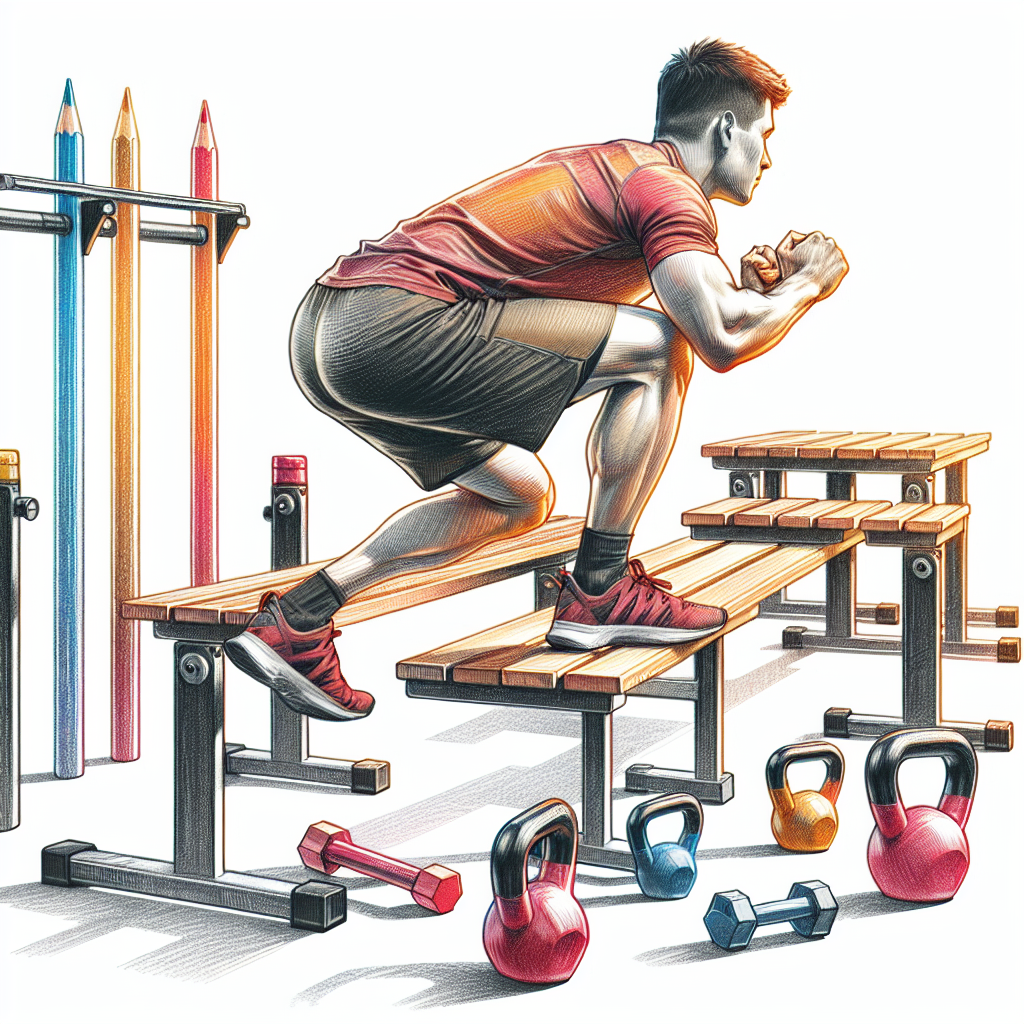
In recent years, circuit training has emerged as an efficient and effective means to improve physical fitness, particularly when executed without equipment. This approach capitalizes on bodyweight exercises, allowing participants to engage in high-intensity workouts that enhance strength, endurance, and flexibility. The primary benefit of this modality lies in its accessibility; it can be performed virtually anywhere and requires minimal time commitment. In this article, we will explore the principles of equipment-free circuit training, outline practical routines, and address common misconceptions.
- Understanding Circuit Training
- Benefits of Equipment-Free Exercises
- Sample Circuit Training Routine
- When to Consult a Professional
- Common Mistakes in Circuit Training
- Frequently Asked Questions
- Conclusion
Understanding Circuit Training
Circuit training is an exercise strategy that involves completing a series of exercises in succession, typically targeting different muscle groups. The goal is to perform each exercise for a set duration or number of repetitions, followed by a brief rest period. This method promotes cardiovascular fitness and muscular strength simultaneously, creating a robust workout regimen.
In typical circuit training, participants may use various equipment such as weights, resistance bands, or machines. However, bodyweight exercises can effectively replace these tools. This approach not only reduces the barrier to entry for individuals without access to a gym but also allows for diverse training environments.
Benefits of Equipment-Free Exercises
Engaging in circuit training without equipment offers several tangible advantages:
- Accessibility: Bodyweight exercises can be performed anywhere, making them ideal for travelers or those with limited space.
- Increased Versatility: A variety of exercises can be utilized, keeping routines dynamic and engaging.
- Time Efficiency: Circuit workouts can be completed in a short time frame, often under 30 minutes, making them suitable for busy schedules.
- Reduced Injury Risk: While all physical activity carries some risk of injury, bodyweight exercises generally pose less risk than weighted movements.
- Cost-Effectiveness: With no need for a gym membership or equipment, participants can save significantly on fitness expenses.
Sample Circuit Training Routine
Below is a simple yet effective circuit routine that requires no equipment. This routine can be performed in approximately 15 minutes and is suitable for individuals of various fitness levels:
- Bodyweight Squats: 30 seconds
- Push-Ups: 30 seconds (modify on knees if necessary)
- Jumping Jacks: 30 seconds
- Plank: 30 seconds
- Mountain Climbers: 30 seconds
- Lunges: 30 seconds (alternating legs)
- Rest: 30 seconds
Repeat this circuit 3-4 times. Ensure proper form during each exercise to maximize effectiveness and minimize injury risk. For those who wish to delve deeper into structured routines, consider exploring this 30-day exercise program, which requires just 6 minutes of daily commitment.
When to Consult a Professional
While circuit training can be an excellent addition to most fitness regimens, certain circumstances warrant consultation with healthcare or fitness professionals:
- Pre-existing Health Conditions: Individuals with medical conditions such as heart disease, arthritis, or obesity should consult their physician before beginning any exercise program.
- Injury or Pain: Experiencing persistent pain or a previous injury can indicate a need for professional guidance on safe exercise options.
- New to Exercise: Beginners may benefit from personalized instruction to ensure correct form and avoid injury.
Common Mistakes in Circuit Training
Even as circuit training becomes increasingly popular, common misconceptions can lead to ineffective workouts or injury. Consider these pitfalls:
- Neglecting Form: Prioritizing speed over correct form can lead to injuries. Ensure that each movement is performed with proper technique.
- Insufficient Rest: While circuit training is meant to be efficient, including adequate rest periods between circuits is crucial for recovery and performance.
- Inadequate Warm-up and Cool-down: Skipping these essential phases can lead to musculoskeletal issues; dedicate time to warm up and cool down appropriately.
- Overtraining: Engaging in high-intensity workouts too frequently may lead to fatigue and burnout. Balance intensity with rest days.
Frequently Asked Questions
1. How often should I perform circuit training?
For optimal results, aim for 3-4 times a week, allowing rest days in between to facilitate recovery.
2. Can beginners perform circuit training?
Yes, beginners can adapt the routine by modifying exercises and gradually increasing intensity as fitness improves.
3. Is circuit training suitable for weight loss?
Circuit training can be an effective tool for weight loss when combined with a balanced diet, as it increases calorie expenditure.
4. What should I wear for circuit training?
Opt for comfortable, breathable clothing and supportive footwear that allows for a full range of motion.
5. Are there any age restrictions for circuit training?
Circuit training is suitable for various age groups; however, individuals with specific health concerns should consult a professional first.
6. Can I combine different types of exercises in a circuit?
Yes, feel free to mix strength, cardiovascular, and flexibility exercises within your circuit to achieve balanced fitness.
Conclusion
- Circuit training without equipment is highly accessible and effective.
- The versatility of bodyweight exercises allows for diverse training routines.
- Time-efficient workouts can fit easily into any schedule.
- Professional guidance may be necessary in specific health circumstances.
- Awareness of common mistakes can enhance safety and efficacy during workouts.
For those interested in improving their fitness level without the constraints of traditional workouts, consider starting with a structured plan that requires minimal time daily. Explore the possibilities of your physical potential through this 30-day exercise program, and embark on your journey to a healthier lifestyle today.
Author: John Angel