
Exercise for Back No Equipment
Engaging in regular exercise is pivotal for maintaining a healthy back, especially if you seek to enhance strength and flexibility without the need for equipment. This article will provide you with effective exercises tailored for back health that require no additional tools. In doing so, you can improve posture, alleviate tension, and reduce the risk of injury—all achievable from the comfort of your home.
- Understanding the Importance of Back Exercises
- Essential Exercises for Back Health
- Step-by-Step Exercise Guide
- When to Consult a Professional
- Common Myths About Back Exercises
- Frequently Asked Questions
Understanding the Importance of Back Exercises
Back exercises are crucial for various reasons. The back comprises a complex structure of muscles, ligaments, and tendons that support the spine, facilitating movement and protecting against harm. By strengthening these muscles and improving flexibility, individuals can:
- Reduce back pain.
- Improve posture.
- Enhance overall mobility.
- Prevent injuries during physical activities.
- Boost athletic performance.
Essential Exercises for Back Health
The following exercises focus on strengthening and stretching muscles that support the back, requiring no equipment. Incorporating these exercises into a daily routine can yield significant benefits.
1. Cat-Cow Stretch
This stretch promotes spinal flexibility and helps relieve tension in the back.
2. Bird-Dog
This exercise enhances core stability and balance, essential for back health.
3. Glute Bridges
Strengthening the glutes provides support to the lower back.
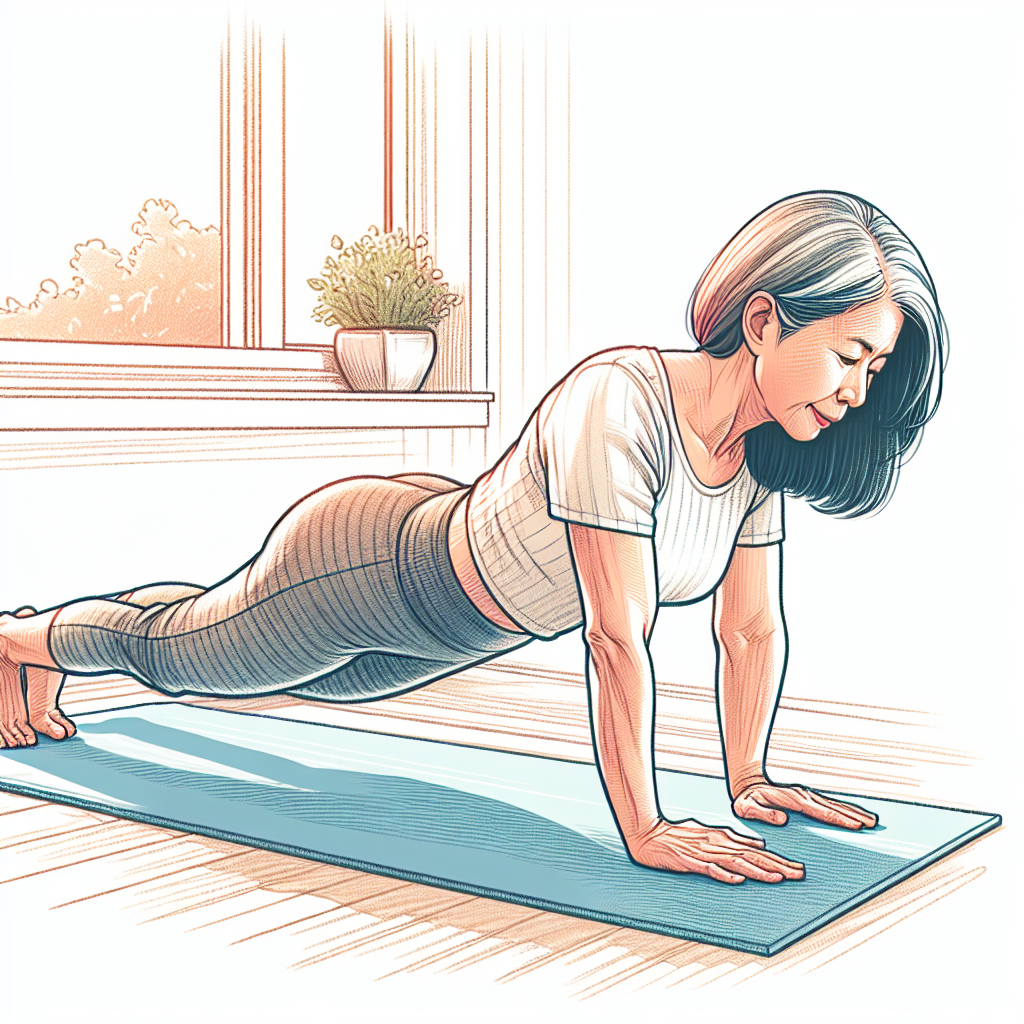
4. Plank
A strong core is vital for a healthy back, and planks are an excellent way to engage multiple muscle groups simultaneously.
5. Child’s Pose
This gentle stretch relaxes the back while promoting flexibility.
Step-by-Step Exercise Guide
Implementing a dedicated routine can maximize the benefits of back exercises. Here is a concise guide:
- Warm-Up: Engage in light stretching or a brief walk for 5 minutes to prepare your muscles.
- Cat-Cow Stretch: Perform 10 repetitions slowly to enhance spinal flexibility.
- Bird-Dog: Hold each extension for 5 seconds, alternating sides. Aim for 10 repetitions.
- Glute Bridges: Complete 15 repetitions to strengthen the gluteal muscles.
- Plank: Hold for 15-30 seconds, focusing on maintaining a straight line from head to heels.
- Child’s Pose: Hold for 30 seconds to relax and stretch the back muscles.
For those seeking a structured program, consider a free 30-day exercise plan where you exercise for just 6 minutes daily yet achieve results akin to a gym routine. Register [here](https://app.revolucnicviceni.cz/en/registration).
When to Consult a Professional
It is essential to recognize when to seek professional guidance regarding back health. Symptoms that warrant consultation with a healthcare professional include:
- Chronic or severe pain that persists despite self-care.
- Weakness, numbness, or tingling in the legs.
- Pain that radiates down one or both legs.
- Issues with bladder or bowel control.
- Visible deformities in the spine.
Common Myths About Back Exercises
There are several misconceptions surrounding back exercises that can deter individuals from engaging in regular physical activity. Here are some myths to clarify:
- Myth 1: You need equipment to effectively strengthen your back.
- Myth 2: Stretching alone is sufficient to improve back health.
- Myth 3: Rest is the best remedy for back pain.
- Myth 4: All exercises for the back are safe for everyone.
Frequently Asked Questions
What should I do if my back hurts during exercise?
Stop the exercise and evaluate your form. If the pain persists, consult a healthcare professional.
How often should I do back exercises?
Ideally, incorporate back exercises into your routine at least 3 times a week.
Can I perform these exercises if I have a pre-existing condition?
Consult your healthcare provider before starting any new exercise regimen, especially with existing conditions.
How long will it take to see results?
Consistency is key; most individuals begin to notice improvements in strength and flexibility within a few weeks.
Are back exercises suitable for all ages?
Yes, back exercises can be adapted for individuals of all ages. However, intensity and duration should consider individual capacities.
What is the best time of day to exercise?
Any time that fits your schedule is ideal, as consistency is more important than timing.
Conclusion
- Engaging in back exercises enhances strength and flexibility.
- No equipment is necessary for effective workouts.
- Regular exercise can alleviate pain and improve posture.
- Consult professionals when experiencing severe or chronic symptoms.
- Overcoming misconceptions is vital for maintaining an active lifestyle.
Prioritize your back health today by incorporating these exercises into your daily routine. For a guided, effective approach, consider registering for a free 30-day program that requires only 6 minutes of your day. Start your journey to a stronger back now!
Author: John Angel