
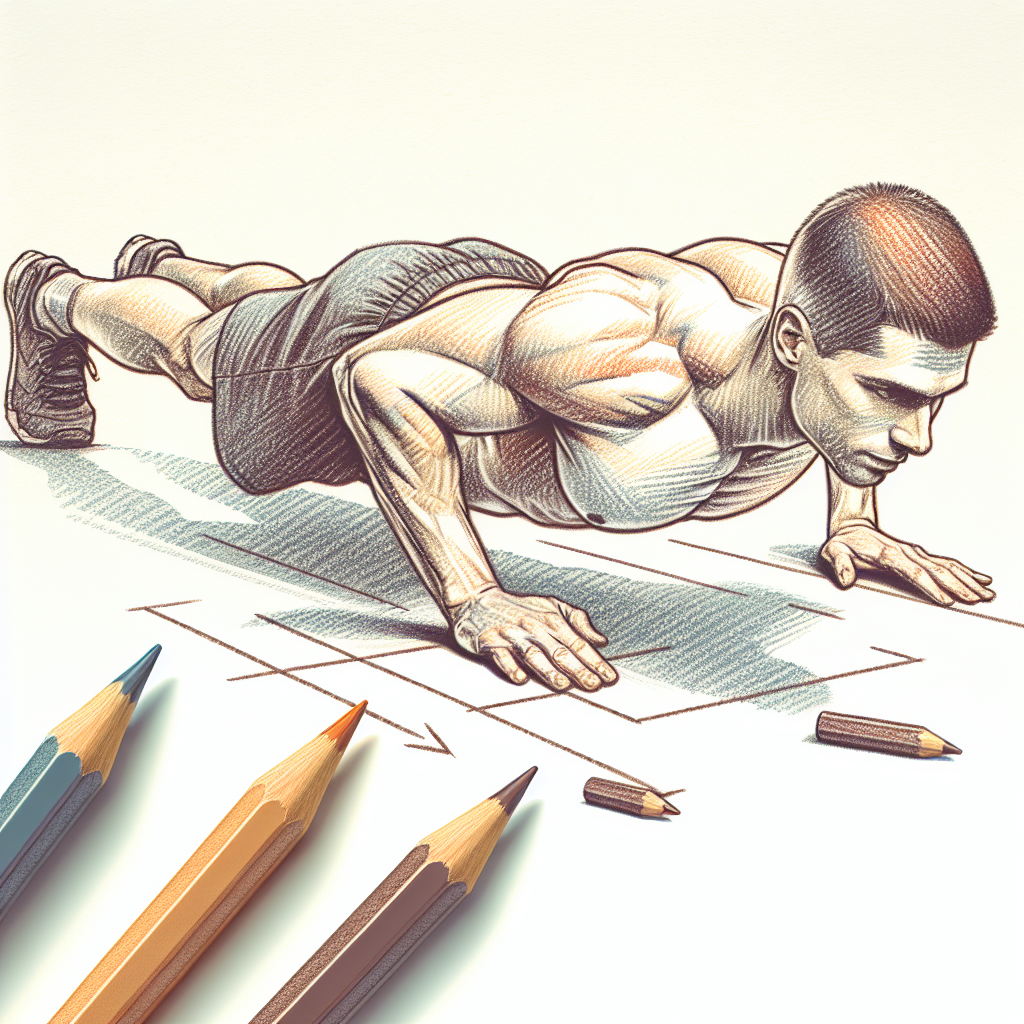
The Benefits of Weight-Free Workouts
With the increasing popularity of minimalistic training, workouts without weights have emerged as an effective way to build strength, improve flexibility, and enhance cardiovascular health. These exercises can be performed virtually anywhere, making them an accessible option for individuals with various fitness levels. Beyond mere convenience, bodyweight workouts can lead to significant fitness gains, often rivaling those obtained through traditional weight training. This article delves into various weight-free workouts effective for achieving diverse fitness goals.
- Understanding the Benefits of Bodyweight Training
- Effective Bodyweight Exercises
- A Sample Workout Routine
- When to Seek Professional Advice
- Debunking Common Myths
- Frequently Asked Questions
- A Call to Action
Understanding the Benefits of Bodyweight Training
Bodyweight training offers numerous advantages, particularly for those unable to access traditional gym equipment. These benefits include:
- Accessibility: Bodyweight exercises can be performed at home, outdoors, or in any free space.
- Scalability: Exercises can be modified to suit all fitness levels, making them inclusive.
- Full-Body Engagement: Many bodyweight exercises engage multiple muscle groups simultaneously, enhancing overall strength.
- Improved Flexibility: Many moves incorporate stretching, which helps promote flexibility and range of motion.
- Increased Cardiovascular Health: Certain bodyweight exercises can elevate heart rate, contributing to cardiovascular fitness.
Effective Bodyweight Exercises
This section provides a selection of bodyweight exercises that can be incorporated into your fitness routine.
- Push-Ups: Great for developing upper body strength, particularly in the chest, shoulders, and triceps.
- Squats: Excellent for strengthening the lower body, targeting quadriceps, hamstrings, and glutes.
- Planks: Engage core muscles and improve stability and posture.
- Lunges: Promote balance and coordination while strengthening the lower body.
- Burpees: A full-body exercise that enhances strength and boosts cardiovascular fitness.
- Mountain Climbers: Improve agility and endurance while providing a solid core workout.
A Sample Workout Routine
For those seeking a structured approach, consider this concise routine, which requires only six minutes of your day. A practical, focused regimen can deliver significant results:
- Warm-Up: 1 minute of light jogging in place.
- Push-Ups: 30 seconds of push-ups, followed by a 15-second rest.
- Squats: 30 seconds of squats, followed by a 15-second rest.
- Plank: Hold for 30 seconds.
- Burpees: Engage in 30 seconds of burpees, followed by a 15-second rest.
- Cool Down: 1 minute of gentle stretches focusing on all major muscle groups.
If you would like to explore more structured programs that demand only six minutes a day, consider registering for a 30-day exercise program that promises results comparable to gym workouts.
When to Seek Professional Advice
While bodyweight workouts are generally safe, there are instances where seeking professional guidance is advisable. Consider consulting a qualified professional if:
- You experience persistent pain during exercises.
- You have a pre-existing medical condition that could complicate physical activity.
- You are unsure how to modify exercises to match your fitness level.
- You are recovering from an injury and wish to ensure a safe return to fitness.
Debunking Common Myths
Several misconceptions surrounding bodyweight training may deter individuals from engaging in such activities. Addressing these myths can encourage more people to explore the benefits of weight-free workouts.
- Myth 1: Bodyweight workouts are ineffective for building strength.
- Myth 2: Only heavyweight training can lead to significant muscle growth.
- Myth 3: Bodyweight exercises are only suitable for beginners.
- Myth 4: You need a gym to achieve fitness results.
Frequently Asked Questions
Can I build muscle without weights?
Yes, bodyweight exercises can effectively build muscle through resistance and progressive overload techniques.
How often should I do bodyweight workouts?
For optimal results, aim to perform bodyweight workouts at least three times a week, allowing for rest and recovery.
Are bodyweight exercises suitable for all fitness levels?
Yes, bodyweight exercises can be modified to accommodate beginners and advanced athletes alike.
How long should I spend on bodyweight workouts?
Even short, high-intensity workouts of about 6-20 minutes can be effective for fitness gains.
Can bodyweight training improve flexibility?
Absolutely, many bodyweight movements naturally incorporate stretching, which enhances flexibility over time.
Are bodyweight workouts safe?
When performed correctly and with proper form, bodyweight workouts are generally safe; however, consult a professional if you have any health concerns.
Conclusion
- Convenient: Bodyweight workouts can be done anytime, anywhere.
- Versatile: Exercises can be tailored to suit all fitness levels, making them inclusive.
- Effective: They can enhance strength, flexibility, and cardiovascular health.
- Low-Cost: No equipment is necessary, making it an economical option.
- Scalable: Exercises can be modified for increased difficulty as fitness levels improve.
Explore efficient training options without the need for weights and transform your fitness journey today. Start your six-minute daily regimen by signing up for a 30-day exercise program designed for lasting results.
Author: John Angel