
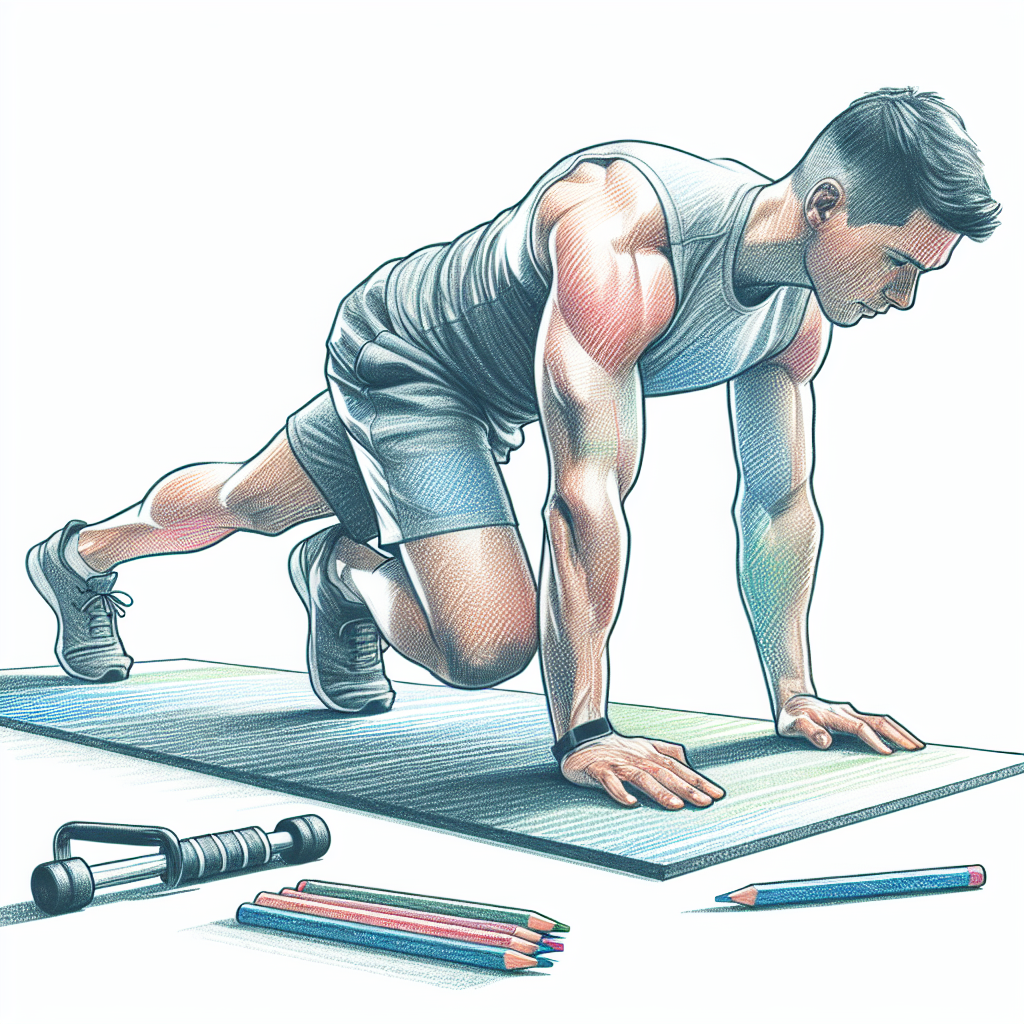
Embarking on a weight loss journey can feel overwhelming, especially when equipment or gym access is inconsistent. However, implementing a fat-burning circuit without any equipment is both practical and effective. This approach significantly enhances your metabolic rate, leading to improved weight loss while fostering endurance and strength. In this article, we will explore a comprehensive guide to a fat-burning workout circuit that requires no specialized tools, making it accessible for individuals at home or anywhere else.
- Understanding the Benefits of Bodyweight Exercises
- Key Components of an Effective Workout Circuit
- A Simple Circuit You Can Follow
- Frequency and Progression
- When to Consult a Professional
- Common Misconceptions About Bodyweight Workouts
- Frequently Asked Questions
Understanding the Benefits of Bodyweight Exercises
Bodyweight exercises present numerous benefits that contribute to both fitness and weight loss. Here are some key advantages:
- Accessibility: No need for gym memberships or equipment means you can exercise anywhere.
- Improved Strength: Engaging multiple muscle groups fosters greater strength development.
- Enhanced Burn Rate: Circuits elevate your heart rate, leading to increased calorie expenditure.
- Flexibility: You can easily modify routines to match your fitness level.
Key Components of an Effective Workout Circuit
To craft a successful fat-burning circuit, consider the following components:
- High-Intensity Interval Training (HIIT): Alternating between intense effort and rest periods can significantly boost your metabolism.
- Variety of Exercises: Include a mix of cardiovascular and strength-building movements to keep the routine engaging and comprehensive.
- Rest Periods: Ensure adequate rest between exercises to maintain high performance throughout the circuit.
A Simple Circuit You Can Follow
Here is an example of an effective fat-burning circuit that requires no equipment. Each exercise should be performed for 30 seconds, followed by a 15-second rest. Repeat the circuit 3 to 5 times based on your fitness level.
- Jumping Jacks: A great full-body warm-up that activates your heart rate.
- Push-ups: Targets the chest, shoulders, and triceps. Modify on your knees if necessary.
- Bodyweight Squats: Effective for strengthening the lower body while enhancing cardiovascular fitness.
- Burpees: Combines strength and endurance, working nearly all muscle groups.
- High Knees: A fantastic cardiovascular exercise that elevates heart rate rapidly.
- Plank: Builds core stability and strength; hold for as long as you can within the time frame.
Frequency and Progression
To see results, aim to perform this circuit at least three to four times a week. As you build strength and endurance, gradually increase the duration of each exercise or the number of repetitions.
When to Consult a Professional
While bodyweight exercises are generally safe for most individuals, certain signs may indicate a need to consult a professional:
- Persistent pain during or after exercise.
- Underlying health conditions that could affect exercise.
- Concerns regarding proper exercise techniques or modifications.
- Weight loss goals that are not being met despite regular exercise.
Common Misconceptions About Bodyweight Workouts
Several myths surround bodyweight exercises that may deter individuals from engaging in them. Understanding these misconceptions can help you embrace this effective training method:
- Myth 1: Bodyweight exercises are not challenging enough.
- Myth 2: You cannot build significant muscle with bodyweight alone.
- Myth 3: These workouts aren’t suitable for serious athletes.
- Myth 4: Bodyweight training does not promote fat loss.
Frequently Asked Questions
How many times a week should I do bodyweight circuits?
Aim for three to four times a week for optimal results.
Can I do these workouts if I am a beginner?
Yes, you can start at your own pace and modify the exercises to suit your fitness level.
Are bodyweight exercises effective for fat loss?
Yes, they can be very effective, particularly when combined with high-intensity intervals.
How long should a session last?
Each session can be as short as 6 minutes, especially with focus on high-intensity intervals.
Do I need a warm-up before starting?
Yes, a brief warm-up is essential to prepare your muscles and prevent injuries.
Can I feel safe doing these workouts at home?
Absolutely, provided you have adequate space and are mindful of your surroundings.
Conclusion
- Bodyweight circuits can effectively aid fat loss without equipment.
- Exercises enhance strength, endurance, and cardiovascular fitness.
- Consistency is key; aim for regular workouts to see progress.
- Understanding and overcoming misconceptions can empower your journey.
- Consider professional guidance if you encounter persistent issues or concerns.
To kickstart your fitness journey even further, consider joining a free 30-day exercise program that allows you to see results in just 6 minutes per day as if you were at the gym: Register here. Embrace a healthier lifestyle, and remember, small steps lead to significant changes.
Author: John Angel