
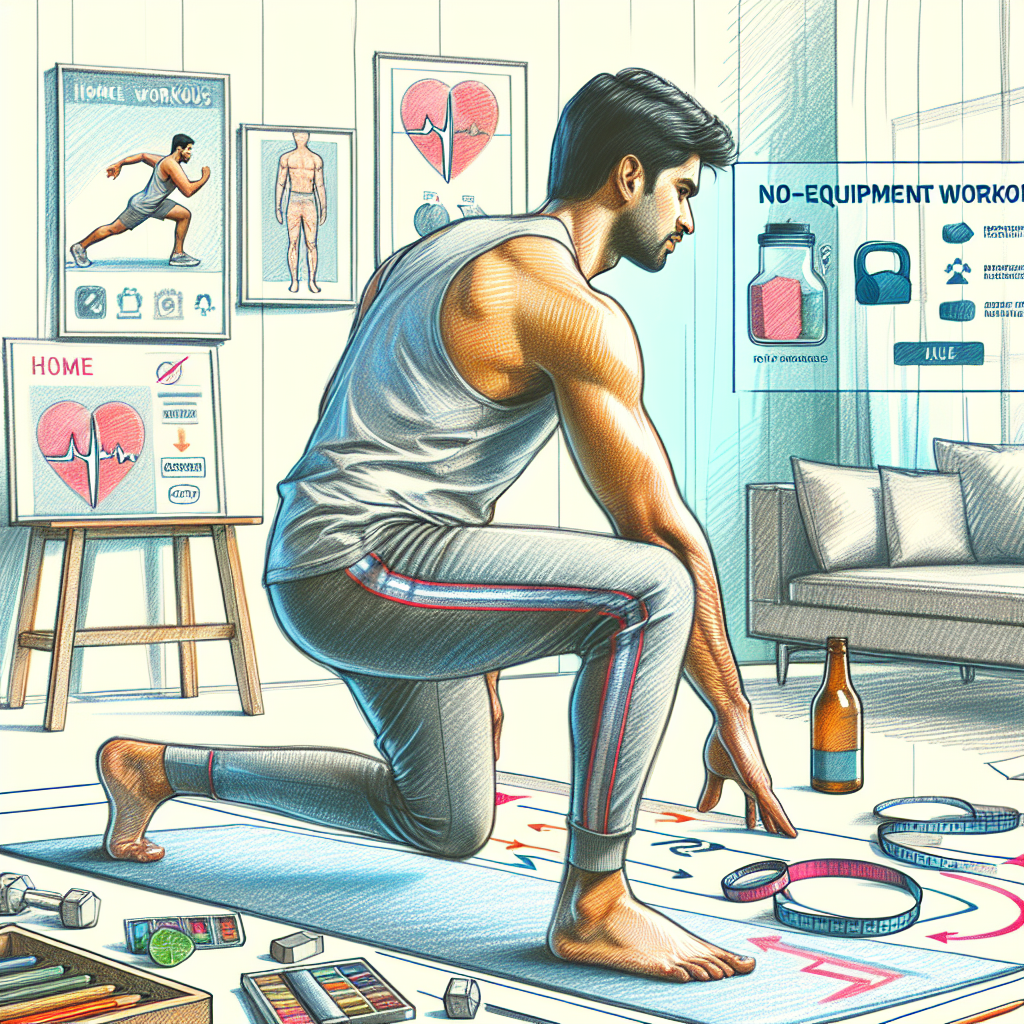
Workout Plan for Weight Loss Without Equipment
Embarking on a weight loss journey can be both thrilling and daunting. One of the most significant hurdles many face is access to gym facilities or costly equipment. Fortunately, it is entirely possible to achieve your weight loss goals with a structured workout plan that requires no equipment. This article provides valuable insights into effective workouts you can perform at home or anywhere, making fitness accessible to all. You will discover simple yet powerful routines that can lead to noticeable results.
- Understanding Weight Loss Basics
- Essential Elements of a No-Equipment Workout Plan
- Sample Workout Routine
- Common Misconceptions about Weight Loss
- When to Consult a Professional
- Frequently Asked Questions
Understanding Weight Loss Basics
Before diving into a workout plan, it is crucial to understand the fundamental principles of weight loss. Primarily, weight loss occurs when you burn more calories than you consume. This caloric deficit can be achieved through a combination of dietary changes and physical activity. A holistic approach, focusing on both nutrition and exercise, will yield the best results. Additionally, it is important to be patient and consistent, as healthy weight loss is often gradual.
Essential Elements of a No-Equipment Workout Plan
Creating an effective no-equipment workout plan requires consideration of several key elements:
- Variety: Incorporate a mix of cardiovascular, strength, and flexibility exercises to keep the routine engaging.
- Duration: Aim for at least 150 minutes of moderate aerobic activity per week, broken down into manageable sessions.
- Frequency: Consistency is key—aim to work out most days of the week.
- Progression: Gradually increase the intensity or duration of your workouts to continue challenging your body.
Sample Workout Routine
Here is a simple yet effective workout routine you can follow that requires no equipment. Each session can be completed in just six minutes, demonstrating the efficiency of high-intensity exercise.
- Warm-up (1 minute): Jumping jacks or high knees.
- High Knees (1 minute): Bring knees up to waist level and pump arms.
- Bodyweight Squats (1 minute): Feet shoulder-width apart, lower yourself as if sitting in a chair.
- Push-Ups (1 minute): Standard or modified on the knees if needed.
- Plank (1 minute): Keep your body in a straight line, supporting weight on forearms and toes.
- Cooldown (1 minute): Gentle stretching for major muscle groups.
For those seeking more structured guidance, consider enrolling in a 30-day exercise program where you only exercise for six minutes a day and achieve results similar to those obtained by regular gym workouts.
Common Misconceptions about Weight Loss
There are numerous myths surrounding weight loss and fat burning that can mislead individuals. Understanding these misconceptions is critical to developing a healthy mindset.
- Myth 1: You need a gym membership to lose weight.
- Myth 2: Cardio is the only way to lose weight.
- Myth 3: You can spot reduce fat in specific areas.
- Myth 4: Skipping meals is an effective weight loss strategy.
When to Consult a Professional
While many can manage a weight loss program independently, there are certain scenarios where seeking professional advice is advisable:
- Experiencing persistent fatigue or excessive soreness.
- Having existing health conditions that could be affected by exercise.
- Needing personalized guidance or a tailored program.
- Feeling overwhelmed or uncertain about nutrition and exercise.
Frequently Asked Questions
Can I lose weight without exercising?
Yes, weight loss can be achieved through dietary changes alone, but incorporating exercise offers numerous health benefits and enhances results.
How often should I exercise to lose weight?
Aim for at least 150 minutes of moderate exercise or 75 minutes of vigorous exercise weekly for optimal weight loss.
Is it possible to build muscle without weights?
Yes, bodyweight exercises like push-ups and squats can effectively build muscle and strength without the need for weights.
How do I stay motivated during my weight loss journey?
Set realistic goals, track your progress, and vary your workouts to maintain interest and motivation.
What should I eat while following a workout plan?
Focus on a balanced diet rich in whole foods, including fruits, vegetables, lean proteins, and whole grains.
Can I do these workouts every day?
Yes, but ensure to listen to your body and incorporate rest days as needed to prevent injury.
Conclusion
- Understand the principles of weight loss, focusing on calorie balance.
- Create a varied and consistent workout routine that requires no equipment.
- Be aware of common misconceptions that could hinder your progress.
- Consult professionals when necessary for personalized advice.
- Stay motivated and focused on your goals by celebrating small victories.
Embarking on a journey toward weight loss does not necessitate expensive gym memberships or complex equipment. With dedication and a structured plan, you can achieve meaningful results through simple at-home workouts. For additional guidance, consider joining a 30-day exercise program to further enhance your fitness journey.
Author: John Angel