
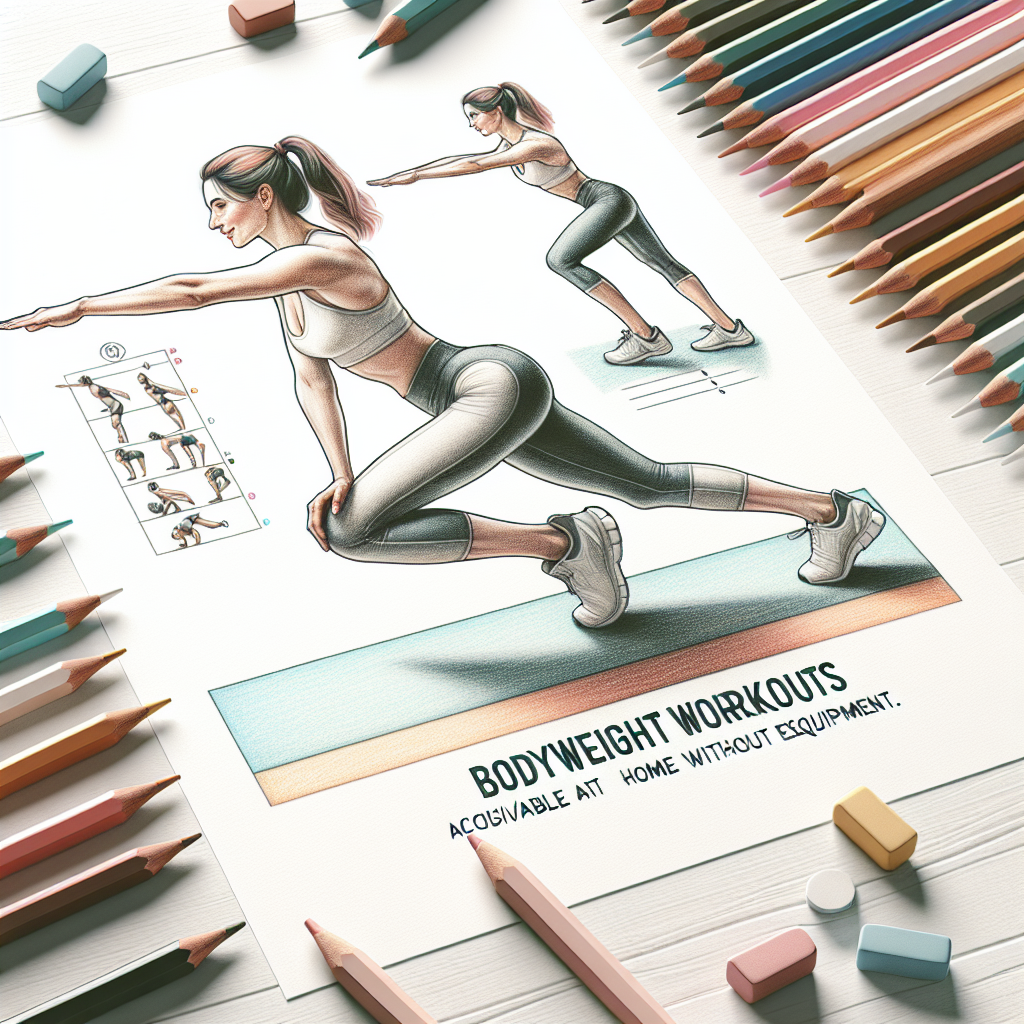
In a fast-paced world where gym access can be challenging, mastering effective home workouts without equipment provides a solution readily available to all. Engaging in just a few minutes of exercise daily can lead to significant improvements in physical fitness. This article presents various strategies and insights into how to achieve effective home workouts—no equipment required.
- Introduction
- Harnessing Bodyweight Exercises
- The Importance of Consistency
- Crafting Your Own Workout Routine
- Common Misconceptions
- When to Consult a Professional
- FAQ
- Conclusion
Harnessing Bodyweight Exercises
Bodyweight exercises utilize the individual’s weight for resistance, making them ideal for at-home training. Some effective exercises include:
- Push-ups: Strengthens the chest, shoulders, and triceps.
- Squats: Targets the quadriceps, hamstrings, and glutes.
- Planks: Core strengthening exercise that stabilizes the body.
- Lunges: Works the legs and improves balance.
- Burpees: A full-body exercise that increases heart rate.
Not only are these exercises effective, but they can also be modified to suit different fitness levels, making them inclusive for everyone.
The Importance of Consistency
Consistency stands as a cornerstone of effective workout routines. Without regular practice, the benefits of exercise diminish. Here are some tips for maintaining a consistent workout schedule:
- Create a dedicated workout area in your home to establish a routine.
- Set realistic goals and monitor your progress.
- Incorporate workouts into your daily schedule by treating them as unmissable appointments.
- Consider engaging with communities that focus on home workouts, which helps in motivation.
Crafting Your Own Workout Routine
Designing your own workout schedule tailored to your personal needs is essential for maximizing results. Follow these steps:
- Assess Your Fitness Level: Understand what exercises best suit your capabilities.
- Choose Key Exercises: Select a mix of strength, cardio, and flexibility exercises.
- Set Timed Intervals: Decide how long you want to spend on each exercise.
- Mix It Up: Include variety to prevent boredom and enhance different muscle groups.
- Make Recovery a Priority: Allow time for rest and recovery to prevent injuries.
When to Consult a Professional
Seeking professional guidance becomes crucial if any of the following warning signs appear:
- Persistent pain during or after workouts.
- Inability to maintain a consistent routine due to fatigue or lack of motivation.
- Frequent injuries that disrupt physical activity.
- Health conditions that may be exacerbated by exercise.
- Uncertainty about proper exercise techniques.
Engaging a fitness trainer can be beneficial, especially for beginners or those returning after a long absence from exercise.
Common Misconceptions
Many misconceptions can hinder effective home workouts. Here are some prevalent myths:
- “You need equipment to get results.” Bodyweight exercises can be highly effective.
- “Longer workouts equate to better results.” Short, intense sessions can be equally beneficial.
- “Every workout must cause soreness.” Effective workouts do not always lead to immediate soreness.
- “You can spot-reduce fat.” Fat loss occurs throughout the body, not in targeted areas.
FAQ
Is it possible to build muscle without weights?
Yes, bodyweight exercises are quite effective for building muscle and strength.
How long should I work out at home?
A daily workout of as little as 6 to 10 minutes can be effective if done consistently.
Can I just rely on home workouts?
Yes, home workouts can be as effective as gym workouts if done regularly and properly.
Are there any specific exercises for weight loss?
High-intensity interval training (HIIT) and cardio-focused workouts can support weight loss.
Should I warm up before exercising at home?
Yes, warming up is essential to prepare your body and prevent injuries.
How do I stay motivated to work out at home?
Setting clear goals, tracking your progress, and joining online communities can help maintain motivation.
Conclusion
- Effective home workouts require no equipment and utilize bodyweight exercises.
- Consistency is critical for seeing results over time.
- Creating a personalized workout routine enhances engagement and effectiveness.
- Consulting a professional can provide guidance and prevent injuries when needed.
- Debunking myths is essential for maintaining a realistic approach to fitness.
For those interested in getting started, consider registering for a free 30-day exercise program that involves just 6 minutes of daily workouts but delivers results similar to a gym routine. You can register here.
Author: John Angel