
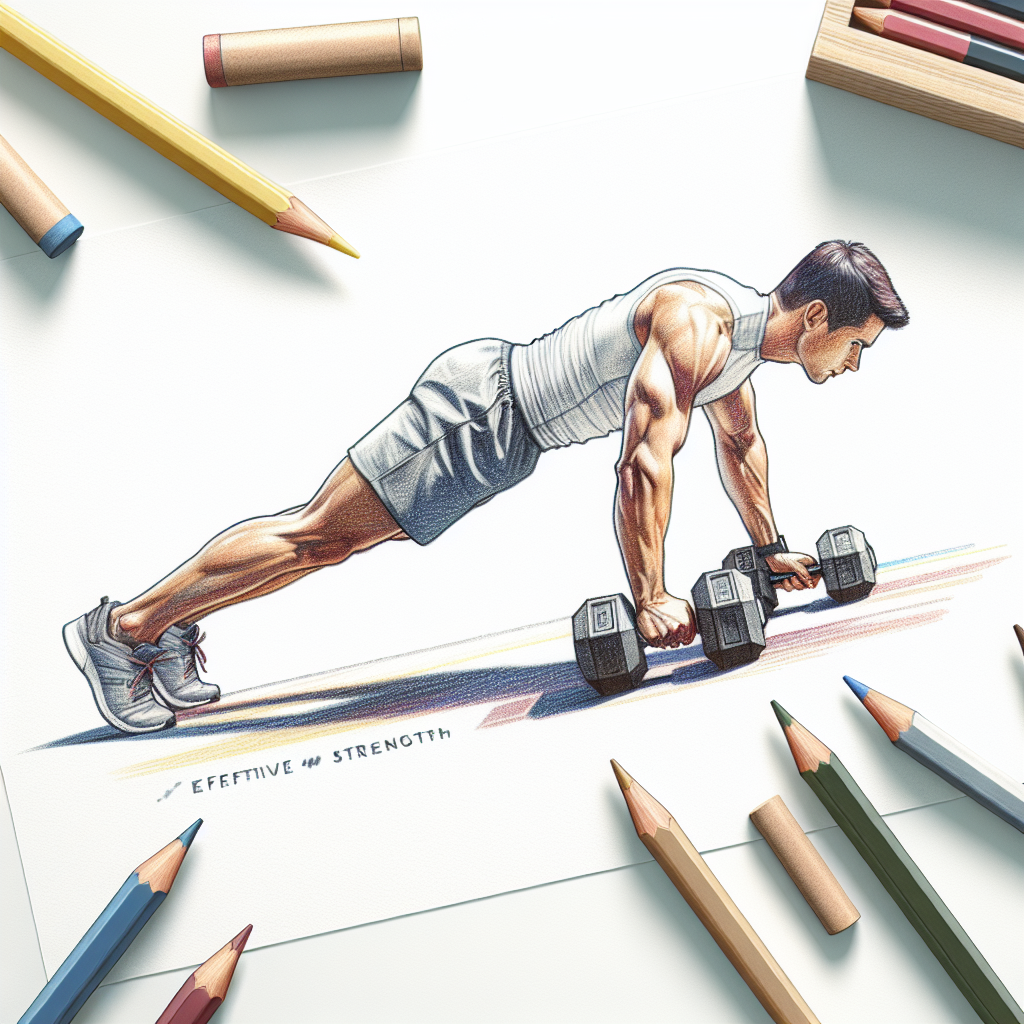
In the modern world, achieving strength and fitness does not necessarily require conventional weights or gym equipment. Bodyweight workouts can be equally effective in building strength, enhancing mobility, and improving overall fitness. This article will explore the advantages of no-weights strength workouts, offer practical guidance, and provide strategies to help you incorporate this training into your routine.
- Introduction to No Weights Strength Workouts
- Benefits of Bodyweight Training
- Effective No Weights Exercises
- Creating a Structured Routine
- Common Misconceptions and Mistakes
- When to Consult a Professional
- Frequently Asked Questions
- Conclusion
Benefits of Bodyweight Training
No weights strength workouts offer numerous benefits, making them ideal for a wide range of individuals. Some key advantages include:
- Accessibility: Bodyweight exercises can be performed anywhere, requiring no gym membership or specialized equipment.
- Flexibility: These workouts can easily be adjusted to fit into your daily routine, allowing for more frequent exercise without the logistical hurdles of gym travel.
- Improved Functional Strength: Many bodyweight exercises target multiple muscle groups and improve overall functional strength, directly translating to everyday activities.
- Encouragement of Proper Form: The absence of weights often promotes better technique and reduces injury risk when performing exercises.
Effective No Weights Exercises
To maximize your no-weights strength workout, it is essential to engage in a variety of exercises that target different muscle groups. Here are several effective bodyweight exercises:
- Push-Ups: Target the chest, shoulders, and triceps. Variations include standard, incline, and decline push-ups.
- Squats: Excellent for strengthening the legs and glutes. Consider variations like jump squats or single-leg squats.
- Planks: A highly effective core stabilizing exercise. Side planks and plank jacks can add variation.
- Lunges: Develop overall leg strength and stability. Try reverse lunges or lateral lunges for added challenge.
- Burpees: A full-body workout that combines strength and cardiovascular endurance.
Creating a Structured Routine
When engaging in no weights strength workouts, developing a structured routine is crucial for achieving optimal results. Follow these steps to build an effective exercise regimen:
- Determine Your Fitness Level: Assess your current strength and fitness level to choose appropriate exercises.
- Select Exercises: Choose a mix of upper body, lower body, and core exercises for balanced training.
- Set Frequency: Aim for at least three to five sessions a week, allowing for recovery days.
- Keep It Short: Limit each session to 20-30 minutes to maintain focus and avoid burnout.
- Gradually Increase Intensity: As you grow stronger, modify exercises or increase repetitions to challenge yourself further.
For those seeking to simplify their journey, consider joining a 30-day exercise program that requires just 6 minutes of daily commitment, yet delivers results akin to traditional gym workouts.
Common Misconceptions and Mistakes
Despite the numerous benefits, some myths and mistakes may hinder your progress in bodyweight training:
- Myth: Bodyweight Training Isn’t Effective: Some believe only heavy lifting leads to strength gains. However, when done correctly, bodyweight exercises can promote significant muscle growth and endurance.
- Mistake: Lack of Variation: Repeating the same exercises can lead to plateaus. Incorporating different movements keeps workouts challenging and engaging.
- Myth: Only Beginners Benefit: Advanced athletes can also find value in bodyweight workouts for mobility, agility, and refining technique.
- Mistake: Ignoring Form: Prioritize good form to avoid injury. This is especially important if you’re performing high-repetition circuits.
When to Consult a Professional
While bodyweight training is generally safe, there are instances when seeking professional guidance might be necessary:
- If you experience persistent pain during or after workouts.
- When transitioning from rehabilitation to regular exercise.
- If you are unsure about proper form and technique for certain exercises.
- Upon noticing significant changes in strength or ability that may require assessment.
Frequently Asked Questions
Can I build muscle with no weights?
Yes, bodyweight exercises can effectively build muscle if performed consistently and with proper technique.
How often should I do no weights strength workouts?
Aim for three to five sessions per week, depending on your fitness goals and recovery needs.
Are no weights workouts suitable for beginners?
Absolutely! Bodyweight exercises can be easily adapted for all skill levels, making them ideal for beginners.
How long should a no weights workout session last?
Each session can last anywhere from 20 to 30 minutes, allowing for a comprehensive workout within a manageable time frame.
What are the best no weights exercises for beginners?
Beginners can start with exercises like squats, push-ups, planks, and lunges, focusing on form and consistency.
Can I lose weight with no weights workouts?
Yes, when combined with a balanced diet, bodyweight workouts can contribute to weight loss through improved strength and increased metabolism.
Conclusion
- No weights workouts enhance your strength without the need for traditional equipment.
- These workouts are accessible and flexible, suitable for various fitness levels.
- Incorporating a variety of exercises is vital to maximize benefits and avoid stagnation.
- Consulting a professional can be essential when faced with pain or uncertainty about proper form.
- Engage in consistent training and consider structured programs for additional support.
Incorporating bodyweight exercises into your routine can lead to significant strength gains without the complexity of traditional gym workouts. Begin your journey today!
Author: John Angel