
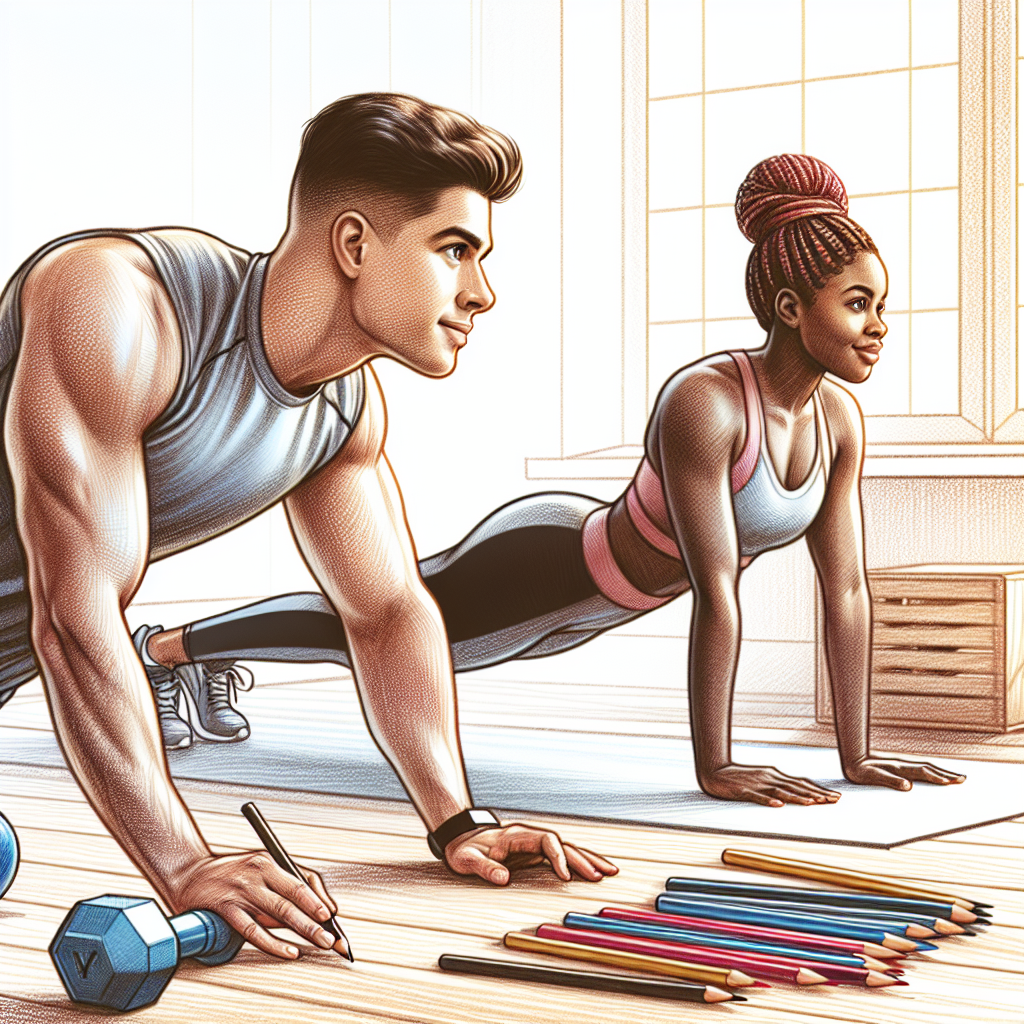
In today’s fast-paced world, maintaining physical fitness can be a challenge, especially for those with busy schedules or limited access to gym facilities. However, engaging in strength exercises at home without equipment offers a practical solution, allowing individuals to improve their muscular strength and endurance while saving time and money. This article explores various effective exercises, the benefits of a home workout routine, and practical guidance on how to get started.
- Introduction
- Benefits of Home Strength Training
- Selecting the Right Exercises
- Sample Strength Training Routine
- When to Consult a Professional
- Myths and Misconceptions
- Frequently Asked Questions
- Conclusion
Benefits of Home Strength Training
Exercising at home without equipment comes with several advantages:
- Convenience: No need to travel to a gym, allowing for more flexible scheduling.
- Cost-effectiveness: Eliminates gym membership fees or equipment purchases.
- Privacy: Provides a comfortable environment to exercise without distractions or judgments.
- Customization: Allows for personalized routines tailored to individual fitness levels and goals.
Selecting the Right Exercises
Choosing effective bodyweight exercises is crucial for engaging multiple muscle groups. Here are key exercises to consider:
- Push-ups: Targets the chest, shoulders, and triceps.
- Squats: Engages the quads, hamstrings, and glutes.
- Lunges: Works the lower body while improving balance.
- Planks: Strengthens the core and stabilizes the body.
- Burpees: A full-body workout that enhances cardiovascular endurance.
Sample Strength Training Routine
Here’s a simple 20-minute workout routine that requires no equipment:
- Warm-up: 5 minutes of dynamic stretching (arm circles, leg swings).
- Push-ups: 3 sets of 10-15 repetitions.
- Squats: 3 sets of 15-20 repetitions.
- Lunges: 3 sets of 10 repetitions per leg.
- Plank: 3 sets, holding for 30-60 seconds.
- Burpees: 3 sets of 5-10 repetitions.
- Cool down: 5 minutes of stretching focusing on major muscle groups.
This routine can be performed 3-4 times a week for optimal results. For those seeking an efficient daily exercise program, consider registering for a free 30-day exercise program that requires just 6 minutes of your day, delivering results comparable to a trip to the gym.
When to Consult a Professional
While exercising at home can be beneficial, certain circumstances may necessitate professional advice:
- Experiencing persistent pain or discomfort during exercise.
- Having pre-existing medical conditions or injuries that could be aggravated by physical activity.
- Uncertainty about proper techniques, leading to the risk of injury.
- Lack of progress despite consistent effort and adherence to routines.
Myths and Misconceptions about Bodyweight Exercises
Several common myths surround home strength training:
- Myth: Bodyweight exercises are not effective. Bodyweight training can build muscle and improve strength just as effectively as weightlifting when performed correctly.
- Myth: You need equipment for a complete workout. Resistance can be created using just one’s body, making any space suitable for a workout.
- Myth: Only high-intensity workouts are beneficial. Even moderate exercises can yield significant benefits, especially for beginners.
- Myth: Home workouts are less motivating. Setting personal goals and routines can foster a motivating environment at home.
Frequently Asked Questions
What is the best time to perform strength training at home?
The best time to workout is whenever it fits your schedule, ensuring you can remain consistent.
How often should I do strength exercises at home?
Engaging in strength exercises 3-4 times per week is generally recommended for optimal muscle development.
Are bodyweight exercises suitable for beginners?
Yes, bodyweight exercises are excellent for beginners as they can be modified to suit various fitness levels.
Is it necessary to warm up before starting my routine?
A warm-up is essential to prepare your muscles and joints, reducing the risk of injury.
Can I lose weight by doing strength exercises at home?
Incorporating strength training into a balanced diet can aid in weight loss by increasing muscle mass and metabolism.
How long should my workout sessions be?
Even short, focused sessions of 20-30 minutes can be effective if done consistently.
Conclusion
- Strength exercises can be effectively performed at home without equipment.
- Home workouts provide flexibility, cost savings, and privacy.
- A variety of bodyweight exercises can engage multiple muscle groups.
- Consult a professional if experiencing pain or uncertainty regarding exercise techniques.
- Myths about home strength training can be clarified through research and experience.
Ready to start your strength training journey? Consider incorporating these exercises into your routine, and explore the free 30-day exercise program that only requires six minutes each day for impressive results!
Author: John Angel