
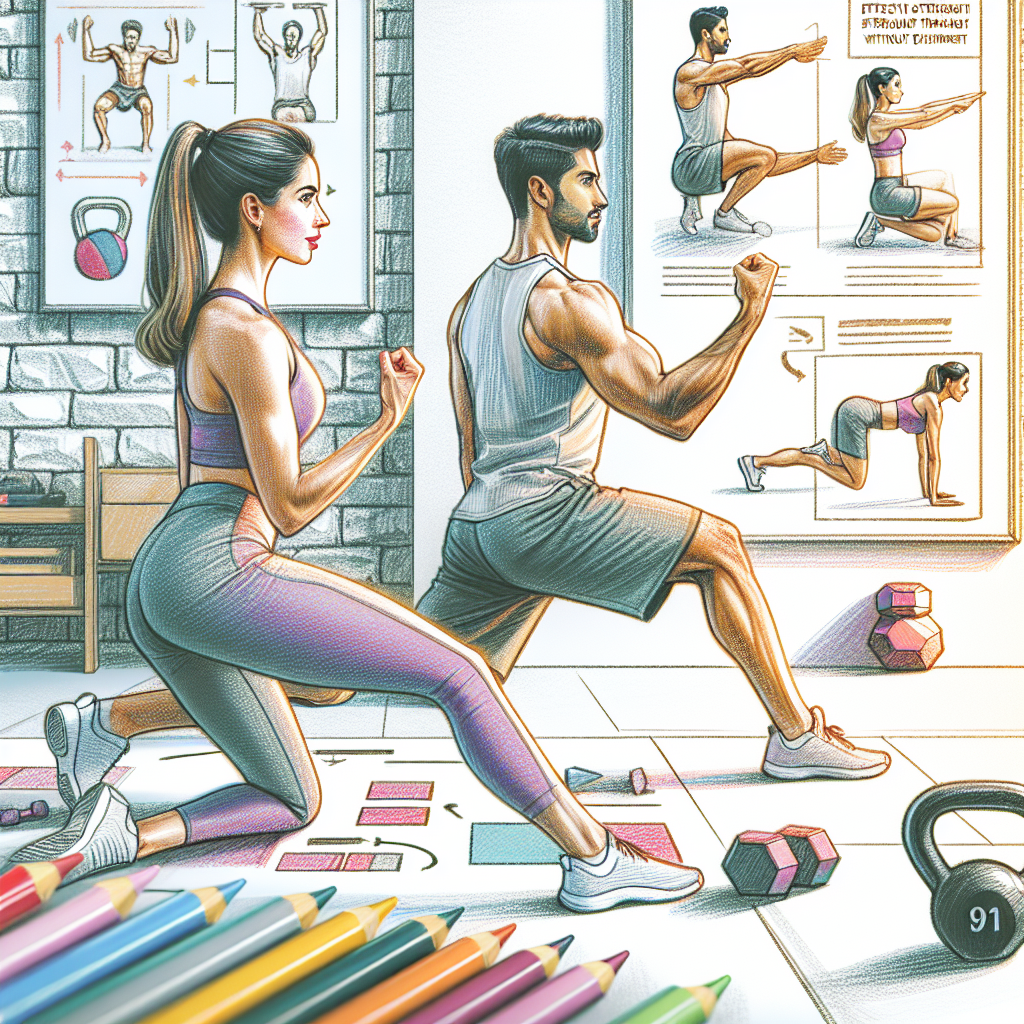
Strength training is often associated with heavy weights, expensive gym memberships, and complex equipment. However, it is entirely possible to achieve impressive results without any equipment. Bodyweight exercises harness the resistance of your own body to build strength, improve flexibility, and enhance overall fitness. This approach not only eliminates the need for a gym but also can be performed anywhere, making it accessible to everyone. In this article, we will delve into effective strategies for strength training without equipment, allowing you to elevate your fitness journey.
- Understanding Bodyweight Exercises
- Benefits of Training Without Equipment
- Key Bodyweight Strength Training Exercises
- Building a Strength Training Routine
- Common Misconceptions
- When to Consult a Professional
- FAQs
Understanding Bodyweight Exercises
Bodyweight exercises utilize your own weight as resistance, making them an extremely effective form of strength training. Movements such as push-ups, squats, planks, and lunges engage multiple muscle groups and can be adjusted in intensity to suit different fitness levels. The beauty of these exercises lies in their versatility—performance can be tailored to a beginner or a more advanced athlete.
Benefits of Training Without Equipment
The advantages of engaging in bodyweight exercises extend beyond convenience. Here are some key benefits:
- Accessibility: No gym or equipment is necessary.
- Cost-effective: Saving money on memberships and equipment purchases.
- Efficiency: Engage multiple muscle groups simultaneously for a full-body workout.
- Flexibility: Perform exercises at home, in parks, or while traveling.
- Improved Mobility: Enhance flexibility and range of motion.
Key Bodyweight Strength Training Exercises
Below are some fundamental exercises that can be incorporated into your routine:
- Push-ups: Targets the chest, shoulders, and triceps.
- Squats: Engages the quadriceps, hamstrings, and glutes.
- Lunges: Strengthens legs and improves balance.
- Planks: Enhances core stability and strength.
- Burpees: A full-body exercise that improves cardiovascular endurance.
- Mountain Climbers: A high-intensity movement that works the core and legs.
Building a Strength Training Routine
Creating a balanced routine will optimize your bodyweight training. Here’s a simple step-by-step guide:
- Warm-Up: Start with 5-10 minutes of dynamic stretching to prepare your muscles.
- Select Exercises: Choose 4-6 bodyweight exercises from the list above.
- Determine Sets and Reps: Aim for 2-3 sets of 8-15 reps for each exercise.
- Rest Intervals: Allow 30-60 seconds rest between sets.
- Cool Down: Finish with 5 minutes of static stretching to enhance recovery.
For further convenience, consider registering for a 30-day exercise program, where you can achieve results with just 6 minutes of daily exercise. You can register for free by following this link: 30-Day Exercise Program.
Common Misconceptions About Bodyweight Training
There are several myths surrounding bodyweight training that can deter individuals from exploring its potential:
- Myth 1: Bodyweight exercises are not effective for building strength. Fact: They can effectively build strength and muscle when performed with proper form and intensity.
- Myth 2: You cannot gain muscle mass without weights. Fact: Progressively increasing difficulty in bodyweight exercises can lead to significant muscle growth.
- Myth 3: Bodyweight exercises are too easy. Fact: Variations can be introduced to significantly increase the difficulty level.
When to Consult a Professional
While bodyweight exercises are generally safe for most individuals, certain circumstances may warrant professional consultation:
- If you experience persistent pain during exercises.
- If you have pre-existing medical conditions that may hinder exercise.
- For personalized workout plans tailored to specific health goals or needs.
- If you are recovering from an injury and require rehabilitation guidance.
Frequently Asked Questions
Are bodyweight exercises suitable for beginners?
Yes, bodyweight exercises can be modified to suit beginners and gradually increased in difficulty as strength improves.
How long should a bodyweight workout session last?
A session can last anywhere from 15 to 30 minutes, depending on the number of exercises and sets included.
Can I build muscle without weights?
Yes, bodyweight exercises can effectively build muscle with proper variations and progressions.
How often should I do bodyweight training?
It is generally recommended to engage in bodyweight training 3-5 times per week for optimal results.
Is a warm-up necessary before bodyweight exercises?
Yes, warming up increases blood flow to your muscles and reduces the risk of injury.
Can bodyweight training help with weight loss?
Yes, combined with a balanced diet, bodyweight training can help create a calorie deficit for weight loss.
Conclusion
- Bodyweight training is accessible and effective for all fitness levels.
- It offers numerous benefits, including cost savings and flexibility.
- Incorporating key exercises will yield significant strength gains.
- Addressing misconceptions can empower individuals to explore bodyweight training.
- Professional guidance may be necessary under certain health conditions.
Embrace the journey of strength training without equipment. Start today to unlock your physical potential and consider enrolling in the 30-day exercise program to guide your efforts with minimal time commitment. Every small step leads to substantial progress.
Author: John Angel