
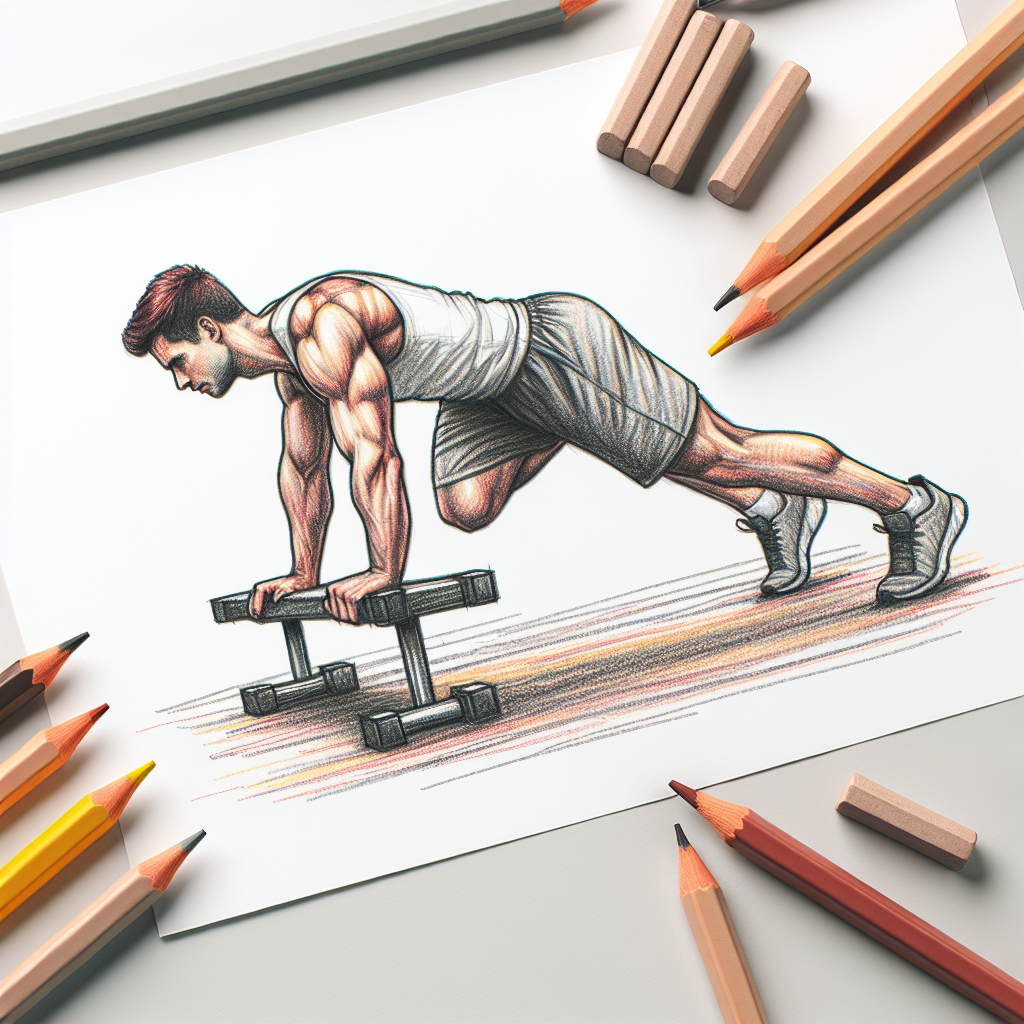
In an increasingly busy world, many individuals seek efficient and effective methods to stay fit without the need for traditional gym equipment. A well-structured training program executed daily can yield significant health benefits through simple bodyweight exercises. This article explores how to create a successful training program without equipment, allowing individuals to maintain their physical health and well-being in the comfort of their own space.
- Introduction
- The Foundations of Bodyweight Training
- Effective Bodyweight Exercises
- Creating Your Own Training Program
- Common Myths and Mistakes
- When to Consult a Professional
- Frequently Asked Questions
- Conclusion
The Foundations of Bodyweight Training
Bodyweight training, as the name suggests, utilizes one’s own weight to provide resistance. It offers several advantages:
- No Equipment Required: All that is needed is your body and a small amount of space.
- Flexibility: You can perform these exercises anywhere—home, park, or even at work.
- Customizable Difficulty: Exercises can be adjusted in intensity based on your fitness level.
- Improved Functional Strength: These movements often mimic everyday activities, leading to enhanced overall strength and mobility.
Effective Bodyweight Exercises
A successful program includes various exercises that target different muscle groups. Here are some foundational exercises that can be integrated into your routine:
- Push-ups: Strengthen the chest, shoulders, and triceps.
- Squats: Target the quadriceps, hamstrings, and glutes.
- Planks: Engage the core, shoulders, and back muscles.
- Lunges: Improve balance and work the legs effectively.
- Burpees: A full-body workout that boosts cardiovascular health.
- Mountain Climbers: Enhance agility while working the core.
Creating Your Own Training Program
Designing an effective training program involves structuring your workout schedule. Here’s a simple step-by-step guide:
- Determine Your Frequency: Aim for at least 4 to 5 days per week.
- Set a Duration: Shorter sessions (6 minutes as suggested) can be highly effective if executed properly.
- Choose Your Exercises: Select a balance of strength, flexibility, and endurance exercises.
- Warm Up and Cool Down: Always include a brief warm-up and cool-down to prevent injury.
- Track Your Progress: Keep a journal or app to log your workouts and observe your improvements.
- Join a Community: Consider joining a challenge or group for additional support. You can start with a free 30-day exercise program that incorporates just 6 minutes of daily practice—[register here](https://app.revolucnicviceni.cz/en/registration).
Common Myths and Mistakes
Dispelling myths about bodyweight training is crucial for maintaining motivation. Here are some common misconceptions:
- Myth 1: Bodyweight Training is Only for Beginners: In fact, bodyweight exercises can be adjusted to suit advanced fitness levels.
- Myth 2: You Can’t Build Muscle Without Weights: Progressive bodyweight training can significantly enhance muscle growth and strength.
- Myth 3: Bodyweight Exercises are Ineffective: They can be just as effective as weighted exercises if performed correctly and with intensity.
When to Consult a Professional
While bodyweight training is beneficial for the vast majority of individuals, certain situations might warrant a consultation with a fitness professional:
- If you are beginning a new exercise routine after a long period of inactivity.
- Experiencing discomfort or pain while performing exercises.
- Struggling to meet personal fitness goals despite consistent effort.
- If you have a pre-existing medical condition that could impact your workout routine.
Frequently Asked Questions
What are the benefits of bodyweight training?
Bodyweight training offers flexibility, improved functional strength, and can be performed anywhere, making it accessible for all fitness levels.
How can I make bodyweight exercises more challenging?
Incorporate variations, increase the number of repetitions, or decrease rest periods to enhance intensity.
Is warm-up necessary before bodyweight exercises?
Yes, warming up is crucial to prevent injuries and prepare the body for exercise.
Can I lose weight with a bodyweight training program?
Absolutely, bodyweight training can be an effective component of a weight loss strategy combined with a balanced diet.
How long should my workouts be?
Even a 6-minute daily workout can be effective if it is well-structured; however, longer sessions can provide additional benefits.
Do I need a fitness trainer for bodyweight exercises?
While not necessary, a trainer can provide valuable guidance, especially for beginners or when learning new techniques.
Conclusion
- Bodyweight training is a flexible and effective fitness solution.
- It requires no equipment and can be performed anywhere.
- Creating a simple routine can yield significant health benefits.
- Common misconceptions need to be understood for maximum motivation.
- Professional guidance may be beneficial in specific circumstances.
To begin your journey toward a healthier lifestyle, consider starting with a manageable training program. Remember that consistency is key, and your best fitness results are achievable—often without expensive equipment.
Author: John Angel