
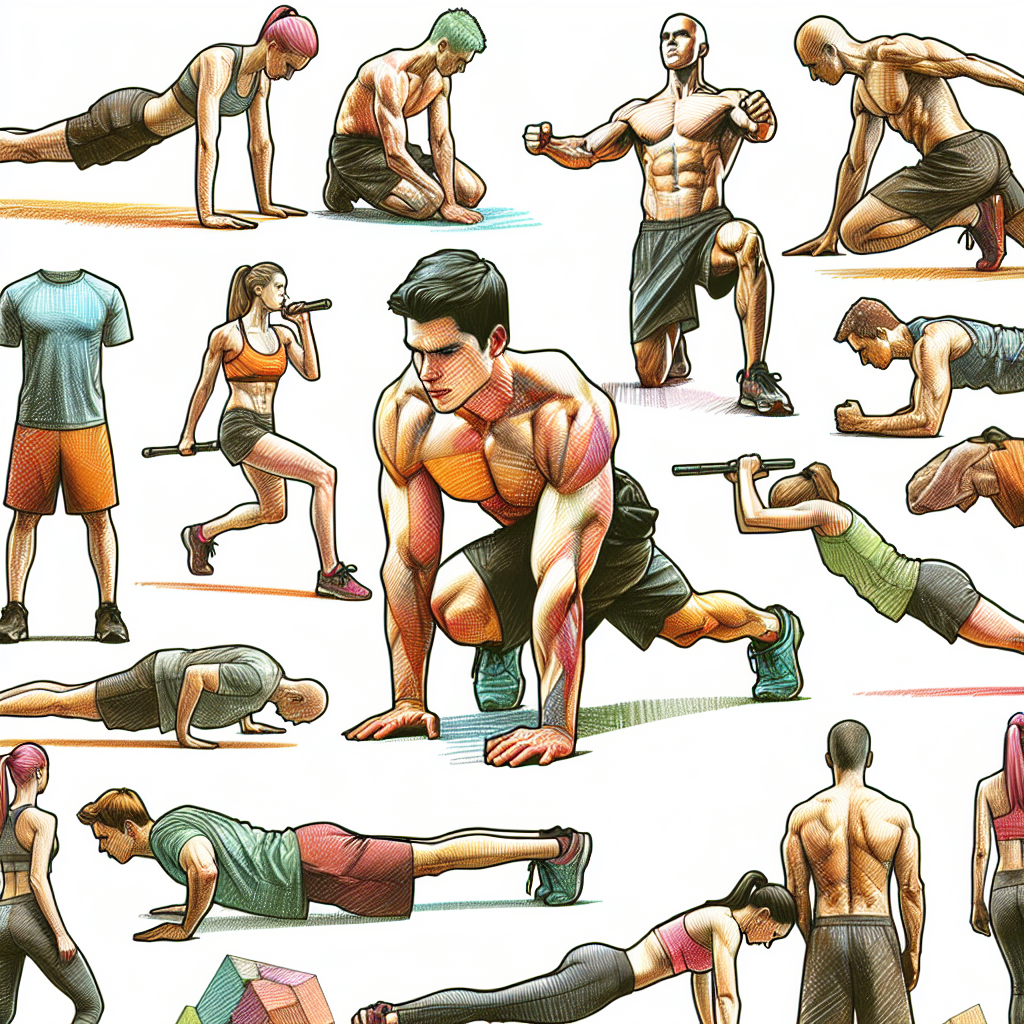
In a world where fitness often seems tied to expensive gym memberships and elaborate equipment, the prospect of achieving a substantial workout without any gear can be both refreshing and empowering. This article presents practical strategies to help you incorporate effective exercise routines into your daily life using just your body weight. Imagine dedicating only six minutes a day to exercise and receiving benefits akin to working out at a gym. With this approach, you can enhance your physical fitness, encourage mental clarity, and foster an overall healthy lifestyle.
- Introduction to Bodyweight Exercises
- Benefits of Exercising Without Equipment
- Key Bodyweight Exercises
- Creating an Effective Routine
- Common Misconceptions About Bodyweight Training
- When to Consult a Professional
- FAQs
- Conclusion
Introduction to Bodyweight Exercises
Bodyweight exercises rely on the weight of your own body to provide resistance. This form of training enhances strength, flexibility, endurance, and coordination. Utilizing this method eliminates the need for expensive equipment and allows for a greater range of motion.
Benefits of Exercising Without Equipment
Engaging in bodyweight exercises presents numerous advantages, including:
- Cost-effectiveness: No need for gym memberships or equipment purchases.
- Accessibility: You can perform these exercises anywhere, whether at home, in a park, or during travel.
- Flexibility: You can easily adjust the intensity of your workouts based on your fitness level.
- Functional fitness: These exercises imitate natural movements, enhancing daily activity performance.
- Time-efficient: High-intensity bodyweight workouts can yield substantial health benefits in just a few minutes.
Key Bodyweight Exercises
Although a wide variety of bodyweight exercises exist, some of the most effective include:
Push-Ups
Targets the chest, shoulders, and triceps. To perform:
- Begin in a plank position with hands shoulder-width apart.
- Lower your body until your chest nearly touches the ground.
- Push back up to the starting position.
Squats
Works the legs, core, and glutes. To perform:
- Stand with feet shoulder-width apart.
- Lower your body as if sitting back in a chair, keeping your weight on your heels.
- Return to the standing position.
Burpees
A full-body exercise that boosts cardiovascular fitness. To perform:
- Begin in a standing position.
- Drop into a squat, placing hands on the ground.
- Kick your feet back into a plank position.
- Return to squat and jump up to standing.
Creating an Effective Routine
To maximize the benefits of bodyweight exercises, consider the following:
- Set Goals: Determine what you wish to achieve (strength, endurance, weight loss).
- Start Small: Initiate with brief sessions, gradually increasing the duration.
- Incorporate Variety: Mix different exercises to engage all muscle groups.
- Consistency is Key: Aim to exercise six minutes daily, as advised in this 30-day program.
- Track Progress: Monitor your improvements to stay motivated.
Common Misconceptions About Bodyweight Training
Several myths surround bodyweight exercises that can deter individuals from adopting this training method:
- Myth 1: Bodyweight training is not effective for building strength.
- Myth 2: It is only suitable for beginners.
- Myth 3: Limited variety in bodyweight routines leads to stagnation.
- Myth 4: You cannot gain muscle without weights.
In reality, bodyweight exercises can be adjusted for intensity and complexity, making them effective for all fitness levels.
When to Consult a Professional
While bodyweight exercises are generally safe, certain indicators may suggest the need for professional consultation:
- Experiencing persistent pain during or after exercise.
- Having existing medical conditions, particularly affecting the musculoskeletal system.
- Struggling with motivation or consistency.
- Seeking specialized advice for tailored workout programs.
FAQs
What is bodyweight training?
Bodyweight training utilizes the individual’s own weight to perform exercises without any additional equipment.
How effective is bodyweight training?
It can be highly effective for building strength, endurance, and flexibility if done consistently and correctly.
Can beginners perform bodyweight exercises?
Yes, bodyweight exercises are suitable for beginners as they can be modified for various fitness levels.
How long should I work out if I focus solely on bodyweight exercises?
Even a six-minute session daily can yield significant health benefits, as demonstrated in the mentioned 30-day program.
Are bodyweight exercises safe?
Generally, yes; however, listening to your body and consulting professionals when in doubt is essential.
Can I lose weight with bodyweight exercises?
Yes, when combined with a balanced diet, bodyweight exercises can contribute to weight loss.
Conclusion
- Bodyweight training is an effective, versatile method for exercise.
- Engaging regularly can enhance strength, flexibility, and cardiovascular health.
- It is accessible and requires no equipment, making it ideal for various settings.
- Misconceptions about its ineffectiveness should not deter individuals from trying.
- Consult a professional if any concerns arise related to health or exercise routines.
Embrace the flexibility and effectiveness of bodyweight training today. Consider exploring the 30-day exercise program to kickstart your journey toward fitness without the burden of equipment.
Author: John Angel