
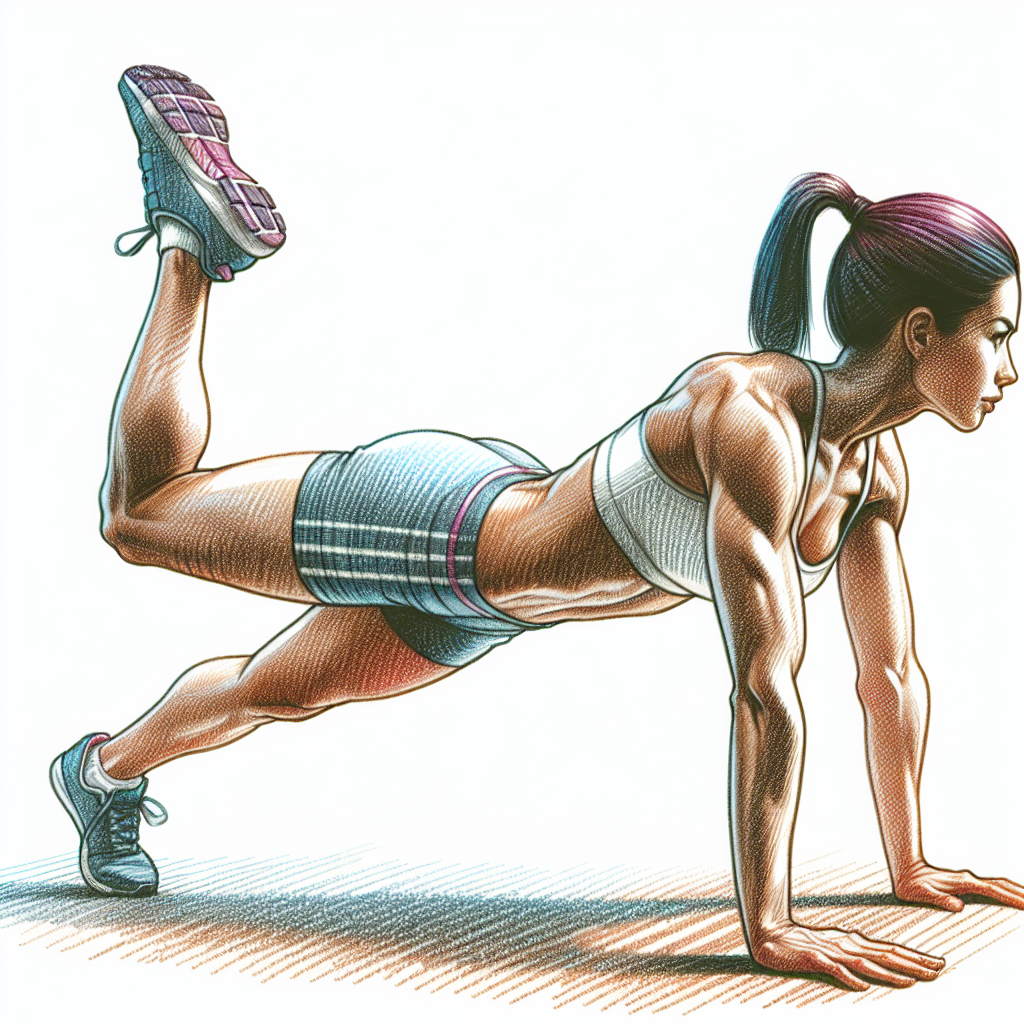
In an age where physical fitness is often associated with heavy weights and elaborate gym equipment, the idea of working out without weights may seem less effective. However, bodyweight exercises can provide significant benefits, enhancing strength, flexibility, and endurance without the need for traditional resistance training. This article explores the numerous advantages of weightless workouts, practical routines you can follow, and answers to common questions about this approach to fitness.
- Introduction to Weight-Free Workouts
- Benefits of Exercising Without Weights
- Practical Bodyweight Exercises
- Myths and Misconceptions
- When to Consult a Professional
- Frequently Asked Questions
- Conclusion
Benefits of Exercising Without Weights
Bodyweight exercises come with a plethora of benefits that make them a practical choice for individuals of all fitness levels. Some notable advantages include:
- Accessibility: Since they don’t require any equipment, bodyweight exercises can be performed anywhere.
- Functional Strength: These exercises often mimic everyday movements, improving overall functionality.
- Flexibility and Balance: Many bodyweight exercises enhance flexibility and improve balance, which can be beneficial for daily activities.
- Reduced Risk of Injury: Working without weights minimizes the risk associated with heavy lifting.
- Time Efficiency: Short, intense exercises can yield significant results, making them ideal for busy individuals.
Practical Bodyweight Exercises
To get started with an effective bodyweight workout, consider the following exercises that target multiple muscle groups:
- Push-Ups: This classic exercise targets the chest, triceps, and shoulders. Aim for 3 sets of 10-15 repetitions.
- Squats: Squats engage the quadriceps, hamstrings, and glutes. Perform 3 sets of 15-20 repetitions.
- Planks: A great core strengthening exercise, aim for holding a plank for 30 seconds to a minute for 3 sets.
- Burpees: An explosive move that increases heart rate while working out the entire body. Perform 3 sets of 8-12 repetitions.
- Lunges: Targeting the legs and glutes, perform 3 sets of 10-15 repetitions on each leg.
For those seeking a structured approach, consider registering for a 30-day exercise program that allows for just 6 minutes of daily commitment, achieving results comparable to traditional gym workouts.
Myths and Misconceptions
Despite the growing popularity of bodyweight training, several myths continue to circulate:
- Myth 1: Bodyweight exercises are not effective for building muscle. Truth: While they may not provide the overload of weights, they can still stimulate muscle growth and strength.
- Myth 2: Only advanced athletes can perform these exercises. Truth: Bodyweight exercises can be modified for any skill level, making them inclusive.
- Myth 3: You cannot get a cardiovascular workout without weights. Truth: High-intensity bodyweight routines can significantly elevate heart rates.
When to Consult a Professional
While bodyweight exercises are generally safe, certain situations may warrant consulting a health or fitness professional:
- If you experience pain that persists beyond the normal discomfort of exercising.
- When beginning a new workout regimen after a long period of inactivity.
- If you have a pre-existing condition that may affect physical performance.
- When unsure of proper form, which can lead to injury.
Frequently Asked Questions
Can bodyweight exercises help in weight loss?
Yes, combined with a balanced diet, bodyweight exercises can help in weight loss by elevating heart rates and building muscle.
How often should I do bodyweight workouts?
For optimal results, aim for at least three to four sessions per week, allowing for rest and recovery.
Are bodyweight exercises suitable for beginners?
Absolutely! Bodyweight exercises can be adjusted in intensity to fit the needs of beginners.
Can I build muscle without weights?
Yes, bodyweight exercises can effectively build muscle by using your body as resistance.
What is the best way to progress in bodyweight training?
To progress, you can increase the number of repetitions, adjust the intensity, or incorporate more complex movements.
Are there any limitations to bodyweight exercises?
While effective, some may find it challenging to achieve the same muscle overload as with weights, depending on their fitness goals.
Conclusion
- Bodyweight exercises offer numerous benefits including accessibility and functional strength.
- A structured routine can yield effective results without the need for weights.
- Common myths about bodyweight training often overlook its effectiveness and adaptability.
- Consult a professional if you have health concerns or experience persistent pain.
- Consider registering for a structured program for guided and effective workouts.
Take the first step towards a healthier you by incorporating bodyweight exercises into your routine. They are not just effective; they are also a flexible approach to fitness that anyone can embrace.
Author: John Angel