Workout Routine for Beginners Without Equipment
Embarking on a fitness journey can be both exhilarating and daunting, especially for beginners. A workout routine that requires no equipment is an excellent way to ease into regular physical activity while boosting overall health and well-being. This comprehensive guide outlines effective exercises, structured routines, and essential tips to help beginner-level individuals achieve their fitness goals with minimal barriers.
- Understanding the Importance of Bodyweight Exercises
- Essential Warm-up Techniques
- A Simple Beginner Workout Routine
- Tips for Staying Motivated
- Consulting Professionals When Necessary
- Common Myths and Misconceptions
- Frequently Asked Questions
Understanding the Importance of Bodyweight Exercises
Bodyweight exercises play a pivotal role in the development of strength, flexibility, and cardiovascular fitness. These movements can be performed anywhere, making them ideal for beginners who may not have access to a gym. Engaging in bodyweight workouts also helps individuals learn proper form and technique, which is crucial for safe exercise practices as one progresses to more advanced routines.
Essential Warm-up Techniques
Before any exercise routine, it is essential to prepare the body to prevent injuries. A proper warm-up increases blood flow, enhances circulation, and improves flexibility.
- Neck Rolls: Rotate your head gently in a circular motion for 30 seconds, each direction.
- Arm Circles: Extend arms to the sides and make small circles for 30 seconds, gradually increasing the size.
- Leg Swings: Swing each leg forward and backward for 30 seconds while holding onto a wall for support.
- Torso Twists: With feet shoulder-width apart, gently twist your torso side to side for 30 seconds.
A Simple Beginner Workout Routine
This routine requires only your body weight and is structured to provide a balanced workout targeting major muscle groups.
- Squats: 3 sets of 10-15 repetitions.
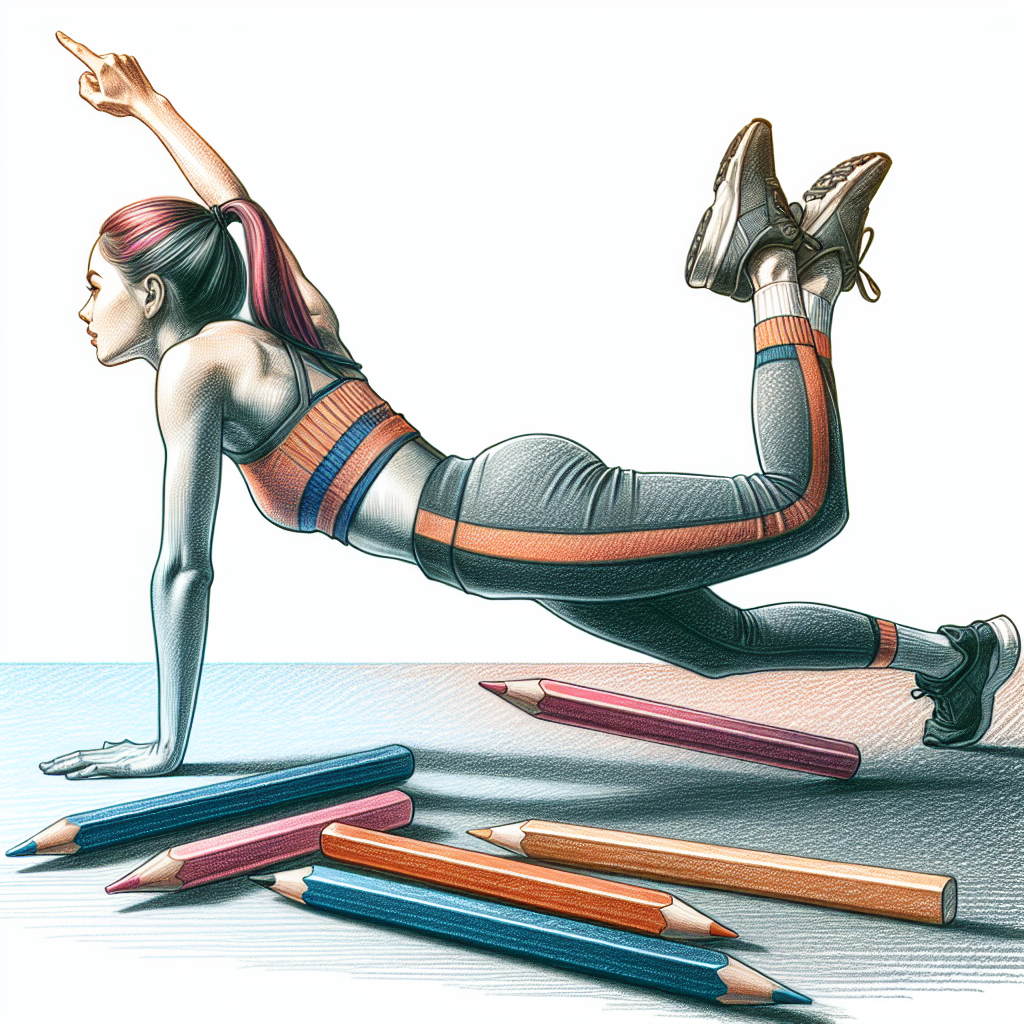
- Push-ups: 3 sets of 5-10 repetitions (modify with knees on the ground if needed).
- Planks: Hold for 20-30 seconds, 2-3 times.
- Lunges: 3 sets of 10 repetitions per leg.
- Glute Bridges: 3 sets of 10-15 repetitions.
This workout can be completed in approximately 15-20 minutes and can be done 3-4 times a week. For those seeking a concise yet effective program, consider a free 30-day exercise program that features only 6 minutes of daily activity but delivers results akin to traditional gym workouts. You can register for it here.
Tips for Staying Motivated
Maintaining motivation is crucial in a fitness journey. Here are several strategies to keep you engaged:
- Set Realistic Goals: Establish achievable and measurable goals to maintain focus.
- Track Progress: Keep a journal to note improvements in strength, endurance, and body composition.
- Engage in Social Workouts: Join community groups or online platforms for accountability.
- Include Variety: Mix up exercises to keep the routine fresh and exciting.
Consulting Professionals When Necessary
While bodyweight exercises are accessible to most, certain signs indicate you may need professional guidance. Consider seeking consultation with a qualified fitness professional or healthcare provider if:
- You experience persistent pain or discomfort during or after exercise.
- You have pre-existing medical conditions affecting your ability to exercise.
- You are unsure about how to perform exercises safely and effectively.
Common Myths and Misconceptions
Misinformation about fitness can derail progress. Here are some common myths to dispel:
- Myth 1: Bodyweight exercise is only for beginners. Truth: It can benefit all fitness levels; even advanced athletes use bodyweight training for strength and conditioning.
- Myth 2: More equipment equals better results. Truth: Effective workouts can be achieved with minimal or no equipment.
- Myth 3: You must work out daily to see results. Truth: Consistency and smart scheduling often yield better results than daily sessions without recovery.
Frequently Asked Questions
What is bodyweight training?
Bodyweight training involves using one’s own weight to perform exercises, allowing for strength and conditioning without additional equipment.
Can I lose weight without going to the gym?
Yes, it is possible to lose weight through bodyweight exercises combined with healthy eating habits, regardless of gym access.
How often should I work out as a beginner?
Begin with 3-4 workouts a week, allowing time for rest and recovery between sessions.
Is it safe to exercise at home?
Yes, as long as exercises are performed with proper form and you listen to your body’s signals.
What if I can’t do a full push-up?
You can modify push-ups by performing them on your knees or against a wall until you build enough strength for full push-ups.
Do I need a fitness coach to get started?
A fitness coach can be helpful, but for beginners, utilizing online resources and following structured routines can also lead to success.
Conclusion
- Bodyweight exercises provide an effective workout for beginners with no need for equipment.
- Warm-up properly to prevent injuries and prepare the body.
- Establish a consistent routine focusing on major muscle groups.
- Seek professional advice if experiencing persistent discomfort or have medical concerns.
- Dispel common myths to better understand and enhance your fitness journey.
Embrace your fitness journey by starting today. With commitment, consistency, and the right resources, the path to health and well-being is well within reach. Sign up for a simplified, effective 30-day program that fits into your schedule, requiring only 6 minutes of daily exercise, by clicking here.
Author: John Angel