
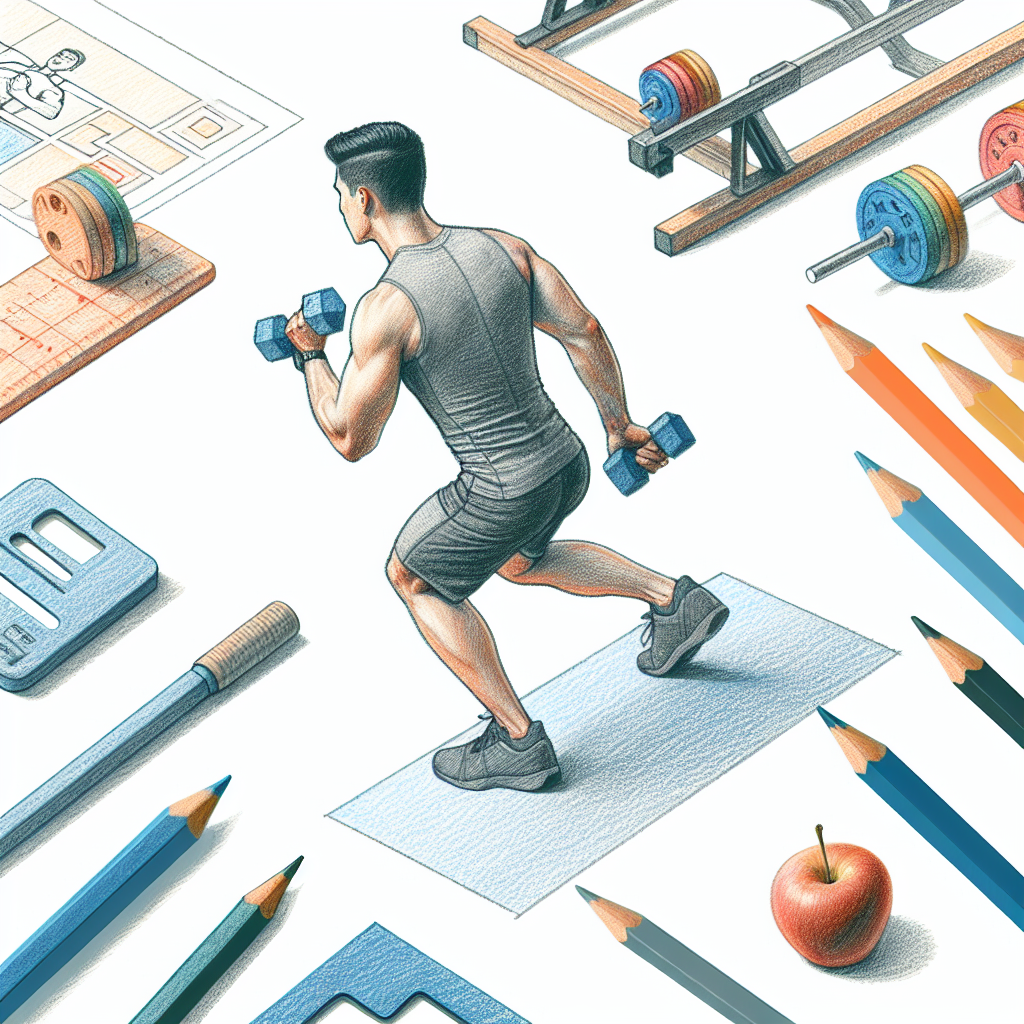
Workout Without Machines: Maximizing Your Fitness Potential
In today’s fast-paced world, the notion of achieving an effective workout without the use of machines is gaining traction. Many individuals seek to enhance their fitness while minimizing reliance on gym equipment. This approach not only saves time but also promotes functional strength and flexibility that are essential for daily life. This article explores the variety of body-weight exercises and innovative methods available to anyone, with clear guidance on how to leverage these workouts for maximum benefit. Plus, discover a unique opportunity to register for a free 30-day exercise program, where you only devote 6 minutes daily yet can achieve notable results: Join the program here.
- Understanding Body-Weight Exercises
- Benefits of Working Out Without Machines
- Effective Body-Weight Exercises
- Developing a Daily Routine
- When to Consult a Professional
- Common Misconceptions
- Frequently Asked Questions
Understanding Body-Weight Exercises
Body-weight exercises involve using one’s own weight as resistance, rather than relying on weights or machines. This method includes activities such as push-ups, squats, and lunges, which engage multiple muscle groups. Not only do they enhance strength, but they also improve balance, flexibility, and endurance.
Benefits of Working Out Without Machines
Engaging in workouts without machines presents a plethora of advantages:
- Accessibility: Body-weight exercises can be performed anywhere, requiring no special equipment.
- Cost-Efficiency: Free from gym memberships and fancy equipment, this method is budget-friendly.
- Functional Fitness: These exercises improve real-world movement and are beneficial for overall functional fitness.
- Enhanced Mobility: Body-weight workouts encourage a greater range of motion and flexibility.
- Reduced Injury Risk: Using one’s body weight allows for a more natural motion, potentially lowering the risk of injury.
Effective Body-Weight Exercises
Here are several effective body-weight exercises you can incorporate into your routine:
- Push-Ups: Target the chest, shoulders, and triceps. Modify by using knees if needed.
- Squats: Build strength in your lower body. Ensure proper form by keeping knees aligned with toes.
- Planks: Enhance core strength; aim for straight alignment from head to toes.
- Lunges: Improve stability and coordination while engaging your glutes and quadriceps.
- Burpees: A full-body workout that increases heart rate and builds strength; combine push-ups, jumps, and squats.
Developing a Daily Routine
Creating an efficient daily routine focusing on body-weight exercises can be simple and effective. Here is a suggested framework for a 6-minute workout, which you can adapt based on your fitness level:
- Warm up (1 minute): Perform dynamic stretches or light jogging in place.
- Push-Ups (1 minute): Complete as many push-ups as possible within the minute.
- Squats (1 minute): Focus on form over quantity, maintaining a steady pace.
- Plank (1 minute): Hold the plank position, ensuring your form remains correct.
- Lunges (1 minute): Alternate leg lunges, maintaining balance and control.
- Burpees (1 minute): Engage in as many burpees as possible, focusing on technique.
When to Consult a Professional
While body-weight exercises are generally safe, there are circumstances when consulting a professional is advisable. These include:
- Recent injuries or chronic pain.
- Significant changes in your physical capabilities.
- Pre-existing medical conditions that may be exacerbated by exercise.
- Uncertainty about correct form or technique that could lead to injury.
Common Misconceptions
As with any fitness regimen, several misconceptions can cloud judgment. Here are a few to clarify:
- Body-Weight Workouts Are Ineffective: Many believe that without machines, workouts cannot be substantial. Body-weight exercises can be equally challenging and effective.
- All You Need Is Cardio: While cardio is essential, strength training promotes muscle maintenance, fat burning, and metabolism enhancement.
- Consistency Isn’t Crucial: Regularity is key in any fitness regime, whether machine-based or body-weight focused.
- Body-Weight Exercises Can’t Aid in Muscle Gain: With the right intensity and variations, one can indeed build muscle mass through body-weight workouts.
Frequently Asked Questions
Can I build muscle without weights?
Yes, body-weight exercises can effectively build muscle by increasing resistance through variations and repetitions.
How often should I perform body-weight workouts?
Aim for at least 3-5 times a week, allowing rest days for muscle recovery.
Is a 6-minute workout effective?
Yes, a focused 6-minute workout can produce results if intensity and proper form are prioritized.
Can beginners perform body-weight exercises?
Absolutely. Many exercises can be modified for beginner levels to ensure safety and effectiveness.
Do I need a warm-up before body-weight exercises?
A warm-up is recommended to prepare your body and reduce the risk of injury.
How do I track my progress with body-weight exercises?
Keep a record of the number of repetitions for each exercise and any improvements in form or endurance.
Conclusion
- Body-weight exercises are effective and accessible for all fitness levels.
- These workouts can enhance strength, flexibility, and mobility without machines.
- Consistency and proper form are crucial for achieving results.
- Consult a professional if unsure about techniques or if experiencing pain.
- Explore a 30-day program that requires only 6 minutes of your day for impactful results: Join here.
Embarking on a journey toward improved fitness without machines can be empowering and efficient. Seize this opportunity today and take that first step toward a healthier you!
Author: John Angel