
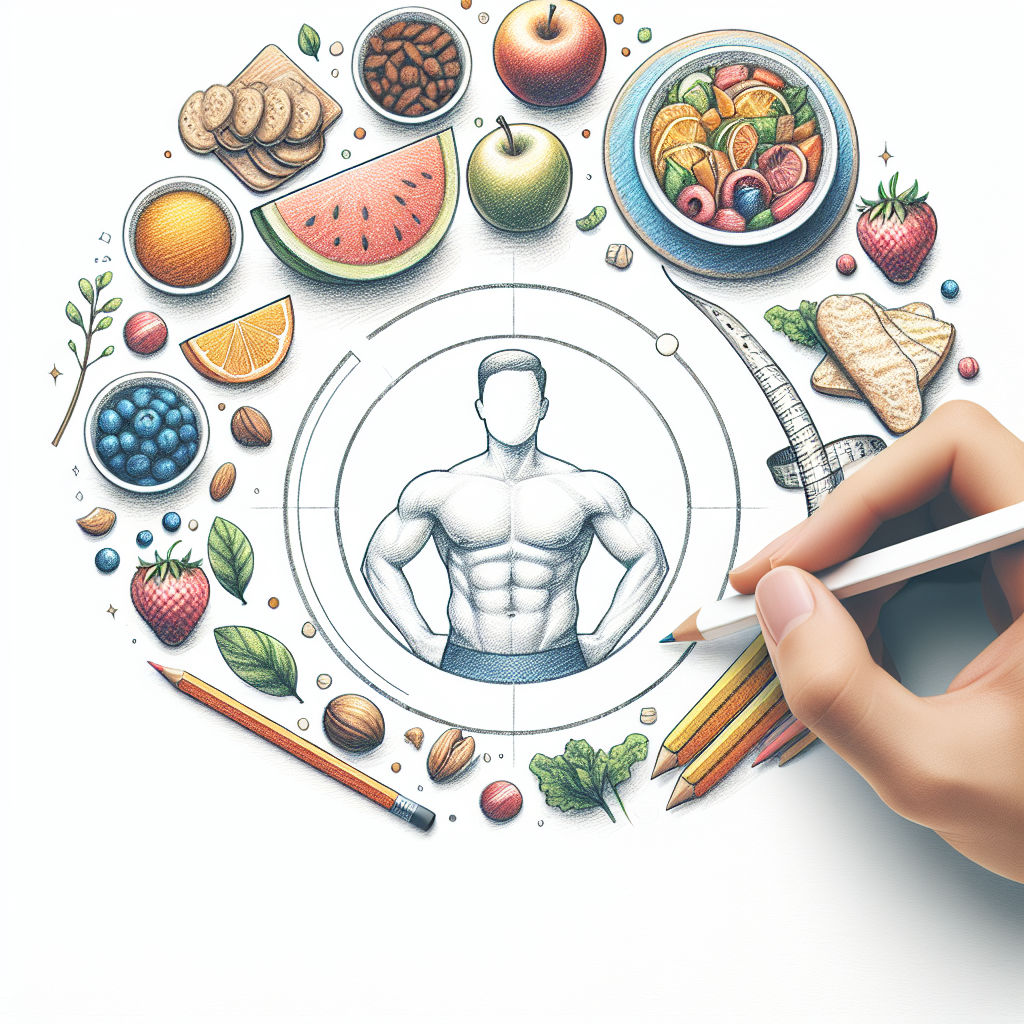
Embarking on a weight loss journey often feels overwhelming, but a well-structured healthy meal plan can simplify the process. By focusing on balanced nutrition, you not only enhance your chances of shedding excess fat but also improve your overall wellbeing. This article delves into the foundations of a healthy meal plan specifically tailored for fat loss, incorporating practical steps and mindful eating habits.
- Understanding Nutrition Basics
- Creating a Customized Meal Plan
- Effective Short Workouts at Home
- Addressing Myths and Misconceptions
- When to Speak to a Professional
- FAQs About Healthy Eating for Fat Loss
- Conclusion and Call to Action
Understanding Nutrition Basics
Nutrition is the cornerstone of any successful weight loss journey. A balanced diet should include an appropriate mix of macronutrients: carbohydrates, proteins, and fats. Each plays a unique role in your body:
- Carbohydrates: They provide energy; prioritize whole grains, fruits, and vegetables.
- Proteins: Essential for muscle repair and growth; opt for lean sources such as chicken, fish, legumes, and tofu.
- Fats: Important for hormonal balance and satiety; choose healthy fats from avocados, nuts, and olive oil.
Creating a Customized Meal Plan
A meal plan should reflect your individual preferences, nutritional needs, and lifestyle. Here’s a step-by-step guide to develop your own:
- Assess Your Daily Caloric Needs: Use an online calculator to estimate your daily energy expenditure and adjust for weight loss.
- Plan Balanced Meals: Ensure each meal contains a source of protein, healthy fats, and carbohydrates.
- Include Snacks Wisely: Choose nutrient-dense snacks, such as fruits, vegetables, or nuts, that support your goals.
- Stay Hydrated: Aim for at least 8 cups (64 ounces) of water a day, adjusting for activity levels.
- Meal Prep: Prepare meals in advance to avoid unhealthy choices and make healthy eating more convenient.
Effective Short Workouts at Home
Incorporating physical activity into your daily routine doesn’t require hours at the gym. The magic of six-minute short workouts is their simplicity and effectiveness. These brief exercises can be easily integrated into your schedule, providing the following benefits:
- Convenience: Six minutes can fit easily into any busy day, eliminating excuses.
- Boosts Metabolism: Short bursts of high-intensity activity can rev up your metabolism.
- Improves Mood: Quick workouts release endorphins, which enhance your mood and energy levels.
- Accessibility: Home workouts require minimal or no equipment, making them incredibly accessible.
- Variety: These workouts can be varied to keep things exciting and prevent boredom.
Ready to get started? Click here to register for the SixPack workout program for 30 days for free and experience these benefits yourself.
Addressing Myths and Misconceptions
Throughout your weight loss journey, you may encounter various myths that can hinder your progress. Here are some common misconceptions:
- Myth: You Must Eliminate Carbs to Lose Weight. Truth: Healthy carbs can be part of a balanced diet.
- Myth: Skipping Meals is Effective for Losing Weight. Truth: Skipping meals can lead to overeating later and disrupt metabolism.
- Myth: All Fats are Bad. Truth: Sources of healthy fats are essential for a balanced diet.
- Myth: Supplements are a Replacement for Healthy Eating. Truth: Whole foods provide necessary nutrients that supplements can’t replicate entirely.
When to Speak to a Professional
It’s vital to consult with a nutritionist or healthcare provider if you experience any of the following:
- Significant weight changes within a short period.
- Persistent discomfort after meals.
- Confusion around food choices or nutritional needs.
- Symptoms of nutrient deficiencies, such as fatigue or hair loss.
- Emotional distress related to eating habits.
Professional guidance can provide personalized strategies and ensure a healthy approach to weight loss.
FAQs About Healthy Eating for Fat Loss
What is a healthy breakfast for weight loss?
A healthy breakfast could include oatmeal topped with berries and nuts or a smoothie with spinach, protein powder, and a banana.
How can I track my meals effectively?
Use apps or a journal to record your meals and monitor your caloric intake and nutrients.
Are all snacks unhealthy?
No, snacks can be healthy; choose options like fruits, yogurt, or raw veggies to bridge meals without sabotaging your efforts.
Should I count calories?
Counting calories may help some, but focusing on nutrient density and portion control is often more beneficial for long-term health.
How often should I eat to lose weight?
Generally, eating every 3-4 hours can help manage hunger and sustain energy throughout the day.
Is it necessary to eat organic foods for weight loss?
While organic foods can be beneficial, they are not necessary for weight loss. Focus on balanced and varied nutrition.
Conclusion and Call to Action
- Understanding the basics of nutrition is crucial for effective fat loss.
- Creating a customized meal plan simplifies the process of achieving your goals.
- Incorporating short, efficient workouts can significantly enhance your weight loss efforts.
- Being aware of common myths helps in making informed decisions about your diet.
- Consulting with a professional ensures that you are on the right track and addressing any concerns effectively.
Ready to transform your weight loss journey? Start today with a structured approach and consider registering for the SixPack workout program for 30 days for free to complement your healthy eating efforts.
Author: John Angel