Categories
Weight Loss

Effective Meal Plan for Optimal Weight Loss

Meal Plan for Maximum Weight Loss

Embarking on a weight loss journey can seem daunting, yet a well-structured meal plan is a crucial element that simplifies the process and enhances results. By understanding the balance of macronutrients, meal timing, and portion control, you can effectively shed pounds while maintaining energy and health. This article outlines a comprehensive meal plan designed for maximum weight loss, along with practical tips and professional insights.

  • Understanding Macronutrients
  • Sample Meal Plan
  • The Role of Meal Timing
  • Incorporating Short Workouts
  • When to Seek Professional Advice
  • Common Myths and Misconceptions
  • FAQ

Understanding Macronutrients

Macronutrients—proteins, carbohydrates, and fats—play vital roles in your diet. A successful weight loss strategy requires a nuanced understanding of these elements.

Proteins

Proteins are essential for muscle repair and growth. Including lean meats, fish, legumes, and dairy in your diet ensures your body has the nutrients necessary for optimal functioning and satiety, which can prevent overeating.

Carbohydrates

While often demonized in weight loss discussions, carbohydrates are a primary energy source. Opting for complex carbohydrates such as whole grains, fruits, and vegetables can provide lasting energy while aiding digestion.

Fats

Healthy fats, found in avocados, nuts, and olive oil, are necessary for hormone production and nutrient absorption. Keep in mind that moderation is key, as fats are energy-dense.

Sample Meal Plan

Here’s a sample meal plan to help guide you on your weight loss journey. This plan balances macronutrients to keep you satiated and nourished throughout the day.

  1. Breakfast: Scrambled eggs with spinach and tomatoes, served with a slice of whole-grain toast.
  2. Mid-Morning Snack: A small handful of mixed nuts and a piece of fruit.
  3. Lunch: Grilled chicken salad with a variety of colorful vegetables and a vinaigrette dressing.
  4. Afternoon Snack: Greek yogurt topped with a tablespoon of honey and a sprinkle of chia seeds.
  5. Dinner: Baked salmon with quinoa and steamed broccoli.
  6. Evening Snack: A cup of herbal tea accompanied by celery sticks with hummus.

The Role of Meal Timing

Meal timing can significantly affect weight loss results. Distributing smaller, balanced meals throughout the day can help maintain energy levels and curb hunger. Consider the following principles:

  • Eat every 3-4 hours to keep your metabolism active.
  • Incorporate protein into every meal to enhance muscle preservation.
  • Plan your meals around your daily activities—for example, timing carbs around workouts can maximize energy use.

Incorporating Short Workouts

Engaging in short workouts, specifically the SixPack program, can complement your meal plan remarkably. These six-minute workouts can fit seamlessly into any schedule, providing a quick yet effective way to increase caloric burn and improve heart health. The emotional magic of these brief sessions lies in their accessibility—no lengthy gym visits or complex routines are required. By integrating just six minutes of activity into your daily routine, you set the stage for substantial long-term benefits.

To experience these transformative workouts, register for the SixPack workout program for 30 days free.

When to Seek Professional Advice

While a structured meal plan can be highly beneficial, it’s essential to recognize when to consult a healthcare professional. If you experience any of the following symptoms, consider seeking professional advice:

  • Persistent fatigue not alleviated by diet changes.
  • Unintended weight loss that exceeds 5% of body weight in a month.
  • Experiencing disordered eating behavior or anxiety around food.
  • New or concerning gastrointestinal symptoms.

Common Myths and Misconceptions about Weight Loss

As with any health topic, misconceptions can arise. Here are some common myths regarding weight loss debunked:

  • Myth: Carbohydrates should be completely eliminated for weight loss.
  • Fact: Carbohydrates, especially complex ones, are vital for energy and should not be wholly avoided.
  • Myth: Skipping meals helps in losing weight.
  • Fact: Skipping meals can lead to increased hunger and overeating later on.
  • Myth: All fats are bad.
  • Fact: While some fats are unhealthy, others are essential for well-being.

FAQ

What is the best macronutrient balance for weight loss?

An ideal balance often consists of 40% carbohydrates, 30% protein, and 30% fats, but this can vary based on individual needs.

Is intermittent fasting effective for weight loss?

Intermittent fasting can be beneficial for many, as it helps with calorie control, but it may not be suitable for everyone.

Can I lose weight without exercise?

It is possible to lose weight through caloric deficit without exercise, but physical activity enhances the process and improves overall health.

How do I stay motivated on my weight loss journey?

Set clear, achievable goals, track progress, and celebrate small victories to maintain motivation.

What should I do if I hit a weight loss plateau?

Reassess your dietary habits, ensure a calorie deficit, and vary your exercise routine to break through a plateau.

Are there any quick fixes for weight loss?

While many quick-fix diets exist, sustainable and healthy weight loss is best achieved through consistent lifestyle changes rather than shortcuts.

Conclusion

  • Effective meal planning plays a crucial role in a successful weight loss journey.
  • Balancing macronutrients can enhance satiety and overall health.
  • Meal timing and portion control are vital for maintaining energy and preventing overeating.
  • Short, intense workouts can significantly contribute to weight loss goals.
  • Consult a healthcare professional when experiencing potential issues regarding health and weight.

In conclusion, crafting a meal plan focused on whole foods and careful macronutrient distribution, while incorporating efficient workouts, sets the foundation for effective weight loss. Start your journey today, and don’t hesitate to register for the SixPack workout program for 30 days free to amplify your results!

Author: John Angel
Related articles

Categories
Weight Loss

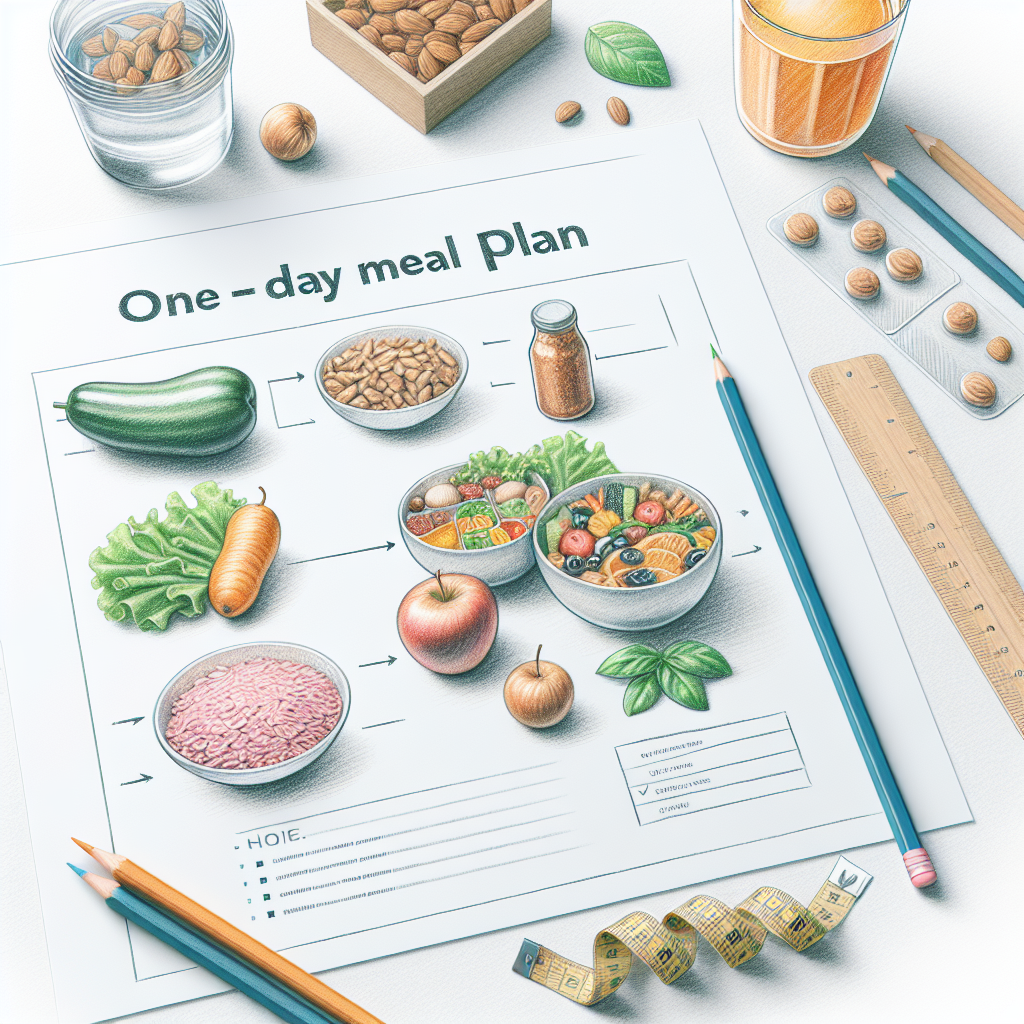
Effective One-Day Meal Plan for Weight Loss

One Day Meal for Weight Loss

Embarking on a weight loss journey can appear overwhelming, but cultivating mindful eating habits can make the process significantly easier. Selecting the right meals can boost metabolism, control cravings, and keep your energy levels stable throughout the day. In this article, we will present a simple, one-day meal plan that combines essential nutrients to facilitate your weight loss goals, empowering you to make healthier choices effortlessly.

  • Understanding Balanced Nutrition
  • A One-Day Meal Plan Overview
  • Practical Eating Steps
  • When to Consult a Professional
  • Common Myths and Misconceptions
  • Frequently Asked Questions

Understanding Balanced Nutrition

Balanced nutrition is pivotal in any weight loss endeavor. It involves consuming a variety of foods in proportions that provide the necessary nutrients without excess calories. Your diet should include:

  • Proteins: Essential for muscle repair and growth, proteins help keep you satiated.
  • Carbohydrates: The body’s main energy source; opt for complex carbs over simple sugars.
  • Fats: Healthy fats are vital for maintaining cellular health and supporting hormone production.
  • Vitamins and Minerals: These are essential for various bodily functions and are found abundantly in fruits and vegetables.

A One-Day Meal Plan Overview

Your one-day meal plan consists of three balanced meals and two healthy snacks. Each meal is designed to support weight loss while satisfying your daily nutritional needs.

Breakfast

Greek Yogurt Parfait: Combine one cup of Greek yogurt with half a cup of mixed berries and a sprinkle of granola. This breakfast is high in protein and antioxidants, making it a nutritious start to your day.

Morning Snack

Almonds: A handful (about 1 ounce) of almonds provides healthy fats and protein, keeping your hunger at bay until lunch.

Lunch

Quinoa Salad: Mix one cup of cooked quinoa with chopped cucumbers, tomatoes, a handful of spinach, and a dressing of olive oil and lemon juice. This meal is rich in fiber and protein, ensuring prolonged satiety.

Afternoon Snack

Sliced Apple with Peanut Butter: An apple paired with one tablespoon of peanut butter offers both fiber and healthy fats, making it a tasty energy boost.

Dinner

Grilled Chicken and Vegetables: Serve a portion of grilled chicken breast alongside steamed broccoli and carrots. This meal is packed with protein and vitamins while remaining low in calories.

Practical Eating Steps

Adopting this meal plan is straightforward. Follow these steps to streamline your dietary approach:

  1. Plan your meals each week, focusing on variety and balance.
  2. Prepare snacks in advance to avoid last-minute unhealthy choices.
  3. Cook larger portions of healthy meals to have leftovers for busy days.
  4. Incorporate the SixPack workout program, which emphasizes short, effective workouts that fit seamlessly into your daily routine.
  5. Stay hydrated with plenty of water throughout the day.

When to Consult a Professional

Though this meal plan can aid in weight loss, certain situations warrant professional guidance. If you find yourself experiencing significant weight fluctuations, extreme dietary restrictions, or persistent fatigue, it may be time to consult a registered dietitian or a healthcare provider. They can personalize your nutrition plan according to your specific health requirements and lifestyle.

Common Myths and Misconceptions

Several myths surrounding weight loss can inhibit progress and cause confusion. Below are a few prevalent misconceptions:

  • Myth 1: Eating fat makes you fat. Healthy fats are necessary for hormone regulation and satiety.
  • Myth 2: Carbs should be completely avoided. Complex carbohydrates are essential for energy and overall health.
  • Myth 3: Skipping meals aids in weight loss. Regular meals help maintain energy and reduce binge eating.

Frequently Asked Questions

Can I lose weight by only changing my diet?

Yes, modifying your diet can lead to weight loss; however, incorporating regular exercise enhances results and improves overall health.

How important is portion control?

Portion control is crucial for managing calorie intake, helping to prevent overeating even with healthy foods.

Are snacks beneficial for weight loss?

Healthy snacks can prevent hunger pangs and energy crashes, making it easier to stick to your meal plan.

What role does hydration play in weight loss?

Staying hydrated helps your body operate efficiently and may assist in curbing unnecessary cravings.

Is it necessary to count calories?

While not strictly necessary, being mindful of calorie intake can help you stay on track with your weight loss goals.

How can short workouts benefits my weight loss journey?

Short, intense workouts can boost metabolism, improve cardiovascular health, and fit easily into a busy lifestyle.

Conclusion

  • Balanced nutrition is essential for successful weight loss.
  • Your one-day meal plan includes nutritious meals and snacks designed for effective weight management.
  • Implement practical steps to streamline your eating habits.
  • Consult a healthcare professional if experiencing unusual signs related to your health.
  • Dispel common weight loss myths to better inform your health decisions.

By taking proactive steps today, you can enhance your weight loss journey significantly. Begin integrating the strategies discussed and consider participating in the SixPack workout program to elevate your fitness level and maximize results.

Author: John Angel

Related articles

Categories
Nutrition and Wellness

Effective Weekly Meal Plan for Fat Loss

Weekly Meal Plan for Fat Loss

Embarking on a weight loss journey often requires strategic planning, particularly regarding dietary choices. A thoughtfully designed weekly meal plan can significantly streamline your efforts and foster lasting change. This article outlines an effective meal plan tailored for fat loss, emphasizing practicality and nutritional balance. By incorporating this guide into your routine, you can accelerate your progress while also enjoying a diverse range of foods.

  • Understanding Nutrition Basics
  • Sample Weekly Meal Plan
  • Practical Cooking Tips
  • When to Seek Professional Guidance
  • Common Myths and Misconceptions
  • Frequently Asked Questions
  • Conclusion

Understanding Nutrition Basics

Before diving into a structured meal plan, it’s essential to grasp fundamental nutrition concepts. A successful approach to fat loss hinges on a calorie deficit, achieved by consuming fewer calories than you expend. However, the quality of those calories matters immensely. Emphasizing whole foods—such as fruits, vegetables, whole grains, lean proteins, and healthy fats—will nourish your body while supporting sustainable weight loss.

Macronutrients Explained

Understanding macronutrients—carbohydrates, proteins, and fats—is crucial for a balanced diet:

  • Carbohydrates: Preferably complex, such as vegetables and whole grains, which provide energy and fiber.
  • Proteins: Essential for muscle repair and growth, focus on lean sources like chicken, fish, legumes, and tofu.
  • Fats: Healthy fats from sources like avocados, nuts, and olive oil are important for hormonal balance and satiety.

Sample Weekly Meal Plan

Here is a practical seven-day meal plan designed to assist you on your weight loss journey. Each day includes three meals and two snacks, ensuring sustained energy and satiety.

Day 1

  • Breakfast: Greek yogurt with berries and a sprinkle of granola
  • Lunch: Quinoa salad with chickpeas, cucumber, and a lemon vinaigrette
  • Dinner: Grilled chicken breast, steamed broccoli, and brown rice
  • Snacks: Carrot sticks with hummus, a small apple

Day 2

  • Breakfast: Overnight oats with almond milk, chia seeds, and banana
  • Lunch: Spinach salad with grilled salmon, cherry tomatoes, and avocado
  • Dinner: Stir-fried tofu with mixed vegetables and quinoa
  • Snacks: Celery sticks with almond butter, a handful of nuts

Day 3

  • Breakfast: Smoothie with spinach, banana, protein powder, and flaxseeds
  • Lunch: Turkey wrap with whole-wheat tortilla and mixed greens
  • Dinner: Baked cod with asparagus and sweet potato
  • Snacks: Greek yogurt, sliced cucumbers

Day 4

  • Breakfast: Scrambled eggs with tomatoes and a slice of whole-grain toast
  • Lunch: Lentil soup with a side salad
  • Dinner: Grilled shrimp with zucchini noodles
  • Snacks: A pear, a handful of almonds

Day 5

  • Breakfast: Cottage cheese with pineapple and sunflower seeds
  • Lunch: Brown rice bowl with black beans, corn, and salsa
  • Dinner: Baked chicken drumsticks with roasted Brussels sprouts
  • Snacks: Bell pepper slices with guacamole, a small orange

Day 6

  • Breakfast: Smoothie bowl topped with fruits and nuts
  • Lunch: Grilled vegetable sandwich on whole grain bread
  • Dinner: Turkey meatballs with spaghetti squash
  • Snacks: Greek yogurt, an apple

Day 7

  • Breakfast: Chia pudding made with almond milk and topped with berries
  • Lunch: Quinoa-stuffed peppers
  • Dinner: Grilled tilapia with a side of sautéed spinach
  • Snacks: A handful of trail mix, carrot sticks

Practical Cooking Tips

To maximize your meal plan’s effectiveness, consider these practical cooking tips:

  • Batch-cook major ingredients like grains and proteins to save time.
  • Experiment with herbs and spices to enhance flavor without added calories.
  • Practice portion control, utilizing smaller plates to help manage serving sizes.
  • Maintain variety in your meals to prevent monotony and boredom.

When to Seek Professional Guidance

If you’re struggling to lose weight despite diligent efforts or have underlying health concerns, it may be wise to consult a healthcare professional. Consider seeking help if:

  • You experience fatigue or health issues that affect daily activities.
  • You have specific dietary restrictions or conditions requiring professional supervision.
  • You feel overwhelmed or frustrated by the process.

Common Myths and Misconceptions

Weight loss journeys can often be clouded by misinformation. Here are common myths to dispel:

  • Myth 1: Carbs are the enemy. Truth: Quality carbohydrates are essential for energy.
  • Myth 2: Skipping meals helps you lose weight faster. Truth: This can lead to binge eating and nutrient deficiencies.
  • Myth 3: All fats make you gain weight. Truth: Healthy fats are critical for well-being and satiety.

Frequently Asked Questions

1. How often should I meal prep for weight loss?

Meal prepping once a week can help you stay organized and make healthier choices.

2. Can I lose weight without exercising?

Yes, weight loss is primarily driven by dietary changes, but exercise enhances results.

3. Is snacking bad for weight loss?

No, healthy snacks can help maintain energy levels and prevent overeating during meals.

4. Should I avoid all sugar to lose weight?

It’s not necessary to eliminate sugars completely; focus on minimizing added sugars.

5. How can I stay motivated on my weight loss journey?

Setting realistic goals and celebrating small victories can boost motivation.

6. What if I have cravings?

Moderation is key; consider healthier alternatives to your cravings.

Conclusion

  • Understanding nutrition is crucial for effective weight loss.
  • A balanced meal plan supports sustained energy and satisfaction.
  • Practical cooking tips will facilitate easier meal preparation.
  • Consult a professional if facing consistent challenges or health concerns.
  • Dispelling myths will ensure a clearer approach to your weight loss journey.

For an added boost in your fitness routine, consider registering for the free 30-day SixPack workout program. Experience the magic of six-minute workouts at home, tailored to fit seamlessly into your daily life while accelerating your weight loss journey.

Author: John Angel

Categories
Nutrition and Wellness

Effective Full Day Meal Plan for Weight Loss

Creating a Full Day Meal Plan for Weight Loss

Embarking on a weight loss journey requires strategic planning, particularly when it comes to meal preparation. A well-structured daily meal plan not only supports your weight loss objectives but also ensures that you enjoy a variety of tasty and nutritious foods. This article outlines a comprehensive full day meal plan designed to promote weight loss while catering to diverse palates. Additionally, we will introduce you to the advantages of incorporating short, efficient workouts into your routine, which can significantly enhance your results.

  • Understanding the Basics of Weight Loss Nutrition
  • A Sample Full Day Meal Plan
  • Magic of Six-Minute Short Workouts
  • Steps to Create Your Own Meal Plan
  • When to Seek Professional Guidance
  • Common Myths About Weight Loss Meals
  • FAQs
  • Conclusion

Understanding the Basics of Weight Loss Nutrition

To initiate a successful weight loss journey, recognizing the fundamentals of nutrition is crucial. Focus on whole foods rich in nutrients while minimizing processed options. Key components include:

  • Macronutrients: Balance protein (to maintain muscle mass), healthy fats (for satiety), and carbohydrates (for energy).
  • Portion Control: Eating smaller portions can help reduce calorie intake.
  • Hydration: Water plays a vital role in metabolism and aids in weight loss.

A Sample Full Day Meal Plan

Below is a sample meal plan designed for an average day, focusing on balanced nutrition and weight loss.

Breakfast: Quinoa Porridge

Prepare a warm bowl of quinoa porridge topped with fresh berries and a sprinkle of chia seeds. Substitute milk with almond milk for lower calories.

Mid-Morning Snack: Greek Yogurt

Enjoy a serving of low-fat Greek yogurt with a dash of honey and a handful of mixed nuts to provide protein and healthy fats.

Lunch: Grilled Chicken Salad

Combine grilled chicken breast, mixed greens, cherry tomatoes, cucumbers, and an olive oil vinaigrette for a filling meal.

Afternoon Snack: Sliced Vegetables and Hummus

Bite-sized carrots, cucumber, and bell peppers with a side of hummus will provide fiber and protein while keeping you satiated.

Dinner: Baked Salmon with Asparagus

Opt for a piece of baked salmon seasoned with herbs, accompanied by roasted asparagus and quinoa for a nutritious finish to your day.

Evening Snack: Herbal Tea

A warm cup of herbal tea can aid digestion and promote relaxation before bed.

Magic of Six-Minute Short Workouts

Incorporating short, six-minute workouts into your daily routine can significantly enhance your weight loss journey. Here are a few benefits:

  • Time-Efficient: These workouts can easily fit into a busy schedule, making exercise more accessible.
  • Variety: Short workouts can include a range of exercises, which helps prevent boredom and promotes adherence.
  • Increased Metabolism: Quick bursts of high-intensity intervals can boost metabolism even after the workout is completed.

To get started, consider trying the SixPack workout program, which offers unique six-minute workouts designed for home settings. You can register for the program for 30 days free here.

Steps to Create Your Own Meal Plan

Crafting a personalized meal plan can be straightforward if you follow these steps:

  1. Set Clear Goals: Determine your daily caloric needs based on your weight loss objectives.
  2. Choose Whole Foods: Focus on selecting whole, minimally processed foods.
  3. Incorporate Variety: Aim to include a range of fruits, vegetables, proteins, and grains.
  4. Monitor Portions: Use measuring cups or kitchen scales to ensure accurate portion sizes.
  5. Adjust as Needed: Be flexible and willing to modify your plan based on what works best for you.

When to Seek Professional Guidance

If you experience any of the following, it may be time to consult with a healthcare professional or registered dietitian:

  • Unintentional weight loss or gain.
  • Chronic fatigue affecting your daily life.
  • Signs of disordered eating behavior.
  • Ongoing digestive issues or other health concerns.

Common Myths About Weight Loss Meals

Navigating the landscape of weight loss can often lead to confusion due to prevalent myths. Here are a few debunked:

  • Myth: Cutting out all carbs is necessary. Reality: Carbohydrates are essential for energy; choose whole grains over refined options.
  • Myth: Skipping meals will support greater weight loss. Reality: Skipping meals can lead to binge eating later; regular meals are important.
  • Myth: All fats are bad. Reality: Healthy fats are vital for nutrition and satiety.

FAQs

What is the best way to prepare meals for weight loss?

Meal prep in advance using healthy recipes to avoid unhealthy food choices throughout the week.

Can I eat snacks while trying to lose weight?

Yes, snacks can help control hunger; opt for healthy options like fruits or nuts.

How many calories should I consume to lose weight?

This varies based on factors like age, sex, and activity level. Consult a professional to determine your specific needs.

Are drinks important in a meal plan for weight loss?

Absolutely; staying hydrated helps metabolism and can curb hunger. Prefer water or herbal teas.

How often should I exercise while on a weight loss journey?

Aim for at least 150 minutes of moderate-intensity exercise per week, along with short workouts in between.

Is it okay to have cheat meals?

Occasional cheat meals can help sustain motivation, but moderation is key.

Conclusion

  • Creating a structured meal plan supports your weight loss journey.
  • Incorporate a variety of whole foods for balanced nutrition.
  • Short, focused workouts can significantly enhance your results.
  • Consult professionals when facing challenges related to weight management.
  • Be mindful of common myths that can derail your progress.

Start your meal preparation today and explore the magic of efficient workouts to transform your weight loss journey into a successful and sustainable lifestyle. Sign up now for the SixPack workout program and enjoy 30 days free here.

Author: John Angel

Categories
Fitness

7-Day Meal Plan for Effective Weight Loss

Embarking on a weight loss journey can be both exciting and challenging. A structured meal plan can serve as a reliable guide, balancing nutrition with calorie control. This 7-day meal plan is designed to help you manage your weight effectively while still enjoying delicious meals. Each meal is meticulously crafted to support your goals without sacrificing flavor or satisfaction. Furthermore, integrating SixPack workouts into your routine can maximize results and efficiency, especially with the magic of six-minute short workouts that fit seamlessly into a typical day.

  • Understanding the Meal Plan
  • Daily Meal Breakdown
  • Incorporating Workouts
  • Consulting Professionals
  • Addressing Common Myths
  • Frequently Asked Questions
  • Conclusion and Next Steps

Understanding the Meal Plan

This 7-day meal plan is designed to be nutritionally balanced and simple to follow. Each day includes three meals and two snacks, promoting portion control and nutrient diversity. The meals emphasize whole foods such as vegetables, fruits, lean proteins, and whole grains, while avoiding processed foods that can hinder your weight loss journey. It’s vital to stay hydrated by drinking plenty of water throughout the day as well.

Daily Meal Breakdown

Here’s a sample meal plan to guide you through your weight loss journey:

Day 1

  • Breakfast: Greek yogurt with mixed berries and a sprinkle of flaxseeds.
  • Snack: A medium apple with a tablespoon of almond butter.
  • Lunch: Quinoa salad with chopped vegetables, chickpeas, and a lemon vinaigrette.
  • Snack: Carrot sticks with hummus.
  • Dinner: Grilled salmon, steamed broccoli, and wild rice.

Day 2

  • Breakfast: Overnight oats with chia seeds and banana.
  • Snack: A handful of mixed nuts.
  • Lunch: Turkey wrap with lettuce, tomatoes, and avocado.
  • Snack: A small pear.
  • Dinner: Stir-fried tofu with bell peppers and brown rice.

Day 3

  • Breakfast: Scrambled eggs with spinach and whole-grain toast.
  • Snack: Greek yogurt with honey.
  • Lunch: Lentil soup with a side salad.
  • Snack: Cucumber slices with tzatziki.
  • Dinner: Baked chicken thighs with sweet potatoes and asparagus.

Day 4

  • Breakfast: Smoothie with spinach, banana, and almond milk.
  • Snack: A handful of strawberries.
  • Lunch: Grilled vegetable sandwich on whole grain.
  • Snack: Celery sticks with peanut butter.
  • Dinner: Zucchini noodles with marinara sauce and turkey meatballs.

Day 5

  • Breakfast: Cottage cheese with pineapple chunks.
  • Snack: A small orange.
  • Lunch: Chicken Caesar salad (dressing on the side).
  • Snack: Rice cakes with avocado.
  • Dinner: Grilled shrimp with quinoa and mixed vegetables.

Day 6

  • Breakfast: Chia pudding with coconut milk and blueberries.
  • Snack: Hard-boiled eggs.
  • Lunch: Whole grain pasta with pesto and cherry tomatoes.
  • Snack: A sliced bell pepper.
  • Dinner: Baked cod with wild rice and green beans.

Day 7

  • Breakfast: Smoothie bowl topped with nuts and seeds.
  • Snack: A banana.
  • Lunch: Spinach salad with feta, walnuts, and olive oil.
  • Snack: Trail mix.
  • Dinner: Stuffed peppers with ground turkey and brown rice.

Incorporating Workouts

To complement this meal plan, consider integrating the SixPack workout program into your routine. The beauty of the SixPack workouts is their design, offering effective six-minute sessions that can be performed at home. These brief yet intense workouts can boost your metabolism and enhance your overall fitness level without requiring a huge time commitment. By embracing short workouts, you can fit exercise into even the busiest of schedules, making it easier to achieve your weight loss goals.

Transform your fitness journey with the SixPack workout program for 30 days for free. It’s a practical approach to incorporate physical activity into your daily routine.

When to Consult a Professional

While meal plans and workouts can be highly beneficial, there are circumstances that warrant professional guidance. If you experience any of the following, consider consulting with a healthcare professional:

  • Persistent fatigue or exhaustion while following a meal plan.
  • Significant or unexplained weight loss.
  • Poor nutritional knowledge leading to unhealthy choices.
  • Health conditions like diabetes or hypertension that require tailored advice.
  • Mental health concerns related to body image or eating habits.

Addressing Common Myths

As you embark on your weight loss journey, it’s crucial to be aware of common misconceptions that may derail your efforts. Here are a few prevalent myths:

  • Myth 1: Low-carb diets are the only way to lose weight.
  • Myth 2: Skipping meals will help you lose weight faster.
  • Myth 3: You need to eliminate all treats to be successful.
  • Myth 4: Weight loss is solely about diet; exercise is unnecessary.
  • Myth 5: Supplements are a magic solution for weight loss.

Understanding these myths can provide clarity and help you make informed decisions throughout your weight loss journey.

Frequently Asked Questions

What foods should I avoid for weight loss?

Avoid processed foods, excessive sugars, and saturated fats. Focus on whole foods for better results.

How quickly can I expect to lose weight?

Weight loss varies per individual, but a safe goal is 1–2 pounds per week.

Do I need to count calories?

While counting calories can be helpful, focusing on portion sizes and food quality may be more sustainable.

Can I still eat out while on a meal plan?

Yes, but choose healthier options and control portion sizes when dining out.

How important is hydration in a weight loss journey?

Staying hydrated is essential; it aids digestion and can help manage hunger levels.

Can exercise alone lead to weight loss?

Exercise should be combined with a balanced diet for optimal results in your weight loss journey.

Conclusion

  • Implementing a structured 7-day meal plan can simplify your weight loss journey.
  • Cohesively integrating short, effective workouts like the SixPack program can amplify results.
  • Understanding dietary myths can help enhance your approach to weight loss.
  • Staying attuned to your body and consulting professionals can ensure a safe and effective process.
  • Emphasizing hydration and whole foods will support your wellness goals long-term.

The journey to weight loss should be enjoyable and manageable. Begin your transformation today by exploring the SixPack workout program for 30 days for free. Take that first step toward a healthier you!

Author: John Angel

Related articles

Categories
Weight Loss

Effective Day Meal Plan for Weight Loss

Embarking on a weight loss journey can be daunting, but with the right strategies in place, it becomes a manageable and rewarding experience. A well-structured meal plan is crucial for anyone seeking to shed pounds effectively. In this article, we will craft a personalized day meal plan for weight loss and explore how to integrate short, invigorating workouts at home to complement your dietary efforts. The magic of six-minute workouts lies in their ability to fit seamlessly into your daily routine, enhancing your wellness without overwhelming you.

  • Understanding a Balanced Meal Plan
  • Crafting Your Day Meal Plan
  • The Magic of Short Workouts
  • When to Consult a Professional
  • Common Myths About Weight Loss
  • FAQs
  • Conclusion

Understanding a Balanced Meal Plan

A balanced meal plan for weight loss includes a variety of food groups to ensure adequate nutrient intake while promoting fat loss. Key components of such a plan include:

  • Proteins: Vital for muscle repair and maintenance, proteins help you feel satisfied.
  • Healthy Fats: Found in avocados, nuts, and olive oil, these fats are essential for hormone regulation.
  • Complex Carbohydrates: Foods like whole grains and legumes provide energy and fiber for digestive health.
  • Fruits and Vegetables: High in vitamins and minerals, these foods are low in calories and help keep you full.

Crafting Your Day Meal Plan

Here is a simple, effective meal plan for one day aimed at aiding your weight loss journey:

  • Breakfast: Overnight oats made with rolled oats, almond milk, chia seeds, topped with berries and a sprinkle of cinnamon.
  • Mid-Morning Snack: A small handful of mixed nuts or a piece of whole fruit.
  • Lunch: Grilled chicken salad featuring mixed greens, cherry tomatoes, cucumber, avocado, and a light vinaigrette dressing.
  • Afternoon Snack: Greek yogurt topped with a spoonful of honey and sliced almonds.
  • Dinner: Baked salmon with quinoa and steamed broccoli, flavored with lemon and herbs.
  • Evening Snack (if needed): Veggie sticks with hummus or a small square of dark chocolate.

The Magic of Short Workouts

Incorporating six-minute workouts into your daily routine can provide significant benefits. These brief bursts of physical activity can:

  • Boost your metabolism, helping to burn calories more efficiently.
  • Enhance mood through the release of endorphins.
  • Make it easier to fit exercise into a busy schedule, reducing the intimidation often associated with longer workouts.
  • Promote consistency, as shorter sessions are less daunting and easier to maintain long-term.

Consider integrating the SixPack workout program into your routine for a series of guided, effective workouts designed to fit into any lifestyle.

When to Consult a Professional

Understanding when to seek professional assistance during your weight loss journey is critical. Consider consulting a healthcare provider or a registered dietitian if you experience:

  • Unexplained weight loss or gain
  • Persistent fatigue or lack of energy
  • Changes in mood or mental health
  • Intense cravings or disordered eating patterns
  • Difficulty adhering to the meal plan
  • Any health conditions that could be affected by weight loss

Common Myths About Weight Loss

Weight loss is often surrounded by misconceptions that can hinder your progress. Here are some myths debunked:

  • Myth 1: Carbohydrates are the enemy. (Reality: Choose complex carbohydrates for sustained energy.)
  • Myth 2: Skipping meals helps you lose weight. (Reality: It can lead to overeating later.)
  • Myth 3: All fats are bad. (Reality: Healthy fats are essential for a balanced diet.)
  • Myth 4: Supplements can replace a healthy diet. (Reality: A balanced diet is irreplaceable.)
  • Myth 5: Quick fixes work. (Reality: Sustainable weight loss requires gradual changes.)

FAQs

What is the best way to start a weight loss journey?

Start by setting realistic goals, adopting a balanced diet, and incorporating regular exercise into your routine.

How important is hydration in weight loss?

Hydration is key, as it helps control hunger and supports overall bodily functions.

Are snacks advisable during a weight loss diet?

Yes, healthy snacks can help manage hunger and prevent overeating at meal times.

Can I lose weight without exercising?

While diet is crucial, combining nutrition with exercise enhances weight loss and improves overall health.

How often should I weigh myself while trying to lose weight?

Weighing yourself weekly is often recommended to track progress without becoming overly obsessed.

Is it normal to have weight fluctuations?

Yes, weight fluctuations are common and can result from various factors, including water retention and hormonal changes.

Conclusion

  • Establish a balanced meal plan focusing on diverse nutrient sources.
  • Incorporate six-minute workouts to enhance metabolism and energy.
  • Be mindful of when professional consultation may be necessary.
  • Avoid common weight loss myths to make informed choices.
  • Stay consistent and patient during your weight loss journey.

As you embark on your weight loss journey, remember that every small change counts. Consider exploring the SixPack workout program for a free 30-day trial that can complement your meal plan. Progress may be gradual, but commitment will yield lasting results.

Author: John Angel

Related articles

Categories
Nutrition and Wellness

6-Day Structured Meal Plan for Effective Weight Loss

6-Day Meal Plan for Weight Loss

Embarking on a weight loss journey can seem daunting, yet a structured approach can simplify the process. This article presents a carefully crafted six-day meal plan, designed to promote healthy eating habits without compromising nutrition. Coupled with effective exercise regimens, like the SixPack workout program, you can enhance your weight loss efforts with engaging six-minute short workouts at home.

  • Understanding the Importance of a Balanced Diet
  • Meal Plan Overview
  • Key Nutritional Components
  • Common Myths Surrounding Weight Loss
  • When to Consult a Professional
  • FAQ
  • Conclusion

Understanding the Importance of a Balanced Diet

While exercise is vital for fitness, diet plays a significant role in successful weight management. A balanced diet enriches the body with essential nutrients, ensuring that you feel satiated while successfully shedding unwanted pounds. Incorporating a variety of fruits, vegetables, lean proteins, and whole grains can lead to improved energy levels and overall wellness on your weight loss journey.

Meal Plan Overview

This six-day meal plan comprises three meals and two snacks daily, focusing on nutrient density and caloric control. Each day’s options are designed to keep you satisfied and energized. Here’s a breakdown of the meal plan:

  • Day 1: Grilled chicken salad, quinoa, apple slices
  • Day 2: Baked salmon, steamed broccoli, mixed berries
  • Day 3: Turkey wrap, carrot sticks, hummus
  • Day 4: Stir-fried tofu with mixed vegetables, brown rice
  • Day 5: Lentil soup, side salad, orange segments
  • Day 6: Sautéed shrimp, asparagus, whole grain toast

Key Nutritional Components

For effective weight loss, it is essential to understand the core nutritional components that contribute to a healthy diet:

  • Proteins: Vital for muscle maintenance; sources include lean meats, fish, beans, and legumes.
  • Carbohydrates: The body’s main energy source; opt for whole grains and vegetables to keep blood sugar levels stable.
  • Fats: Necessary for nutrient absorption; use healthy fats such as avocado, nuts, and olive oil.
  • Fibers: Indispensable for digestion; abundant in fruits, vegetables, and whole grains, they promote satiety.

Common Myths Surrounding Weight Loss

Despite the wealth of information available, several misconceptions can hinder your progress:

  • Myth 1: Skipping meals aids weight loss.
  • Myth 2: All fats are bad.
  • Myth 3: Carbohydrates should be completely eliminated.
  • Myth 4: Quick fixes and fad diets are sustainable long-term.

When to Consult a Professional

If you find yourself struggling to lose weight despite rigorous efforts or if you experience fatigue, emotional distress, or other concerning symptoms, consultation with a healthcare provider is imperative. Personalized recommendations from a registered dietitian or nutritionist can help tailor a plan that accommodates your unique needs and health status.

FAQ

What should I drink while on a weight loss plan?

Water is the ideal choice; herbal teas and black coffee can also be included, but limit sugary beverages and alcohol.

How can I stay motivated throughout my weight loss journey?

Setting achievable goals, tracking progress, and joining supportive groups can bolster motivation.

Is it normal to hit a plateau during weight loss?

Yes, plateaus are common; varying your routine and re-evaluating diet can help break through them.

How important is meal timing for weight loss?

While meal timing can impact energy levels, the overall quality and quantity of food intake are more critical for weight loss.

Can I consume snacks while trying to lose weight?

Healthy snacks can help maintain energy and prevent overeating during main meals, so include them wisely.

What role does exercise play in weight loss?

Exercise enhances caloric burn, improves mood, and promotes muscle mass, which can facilitate easier weight management.

Conclusion

  • Adopt a balanced diet rich in proteins, healthy fats, and fibers.
  • Follow the structured six-day meal plan to help create healthy habits.
  • Stay informed about common weight loss myths to avoid confusion.
  • Consult healthcare professionals for personalized dietary and fitness advice.
  • Engage in brief, high-intensity workouts like the SixPack workout program for maximum efficiency.

Transform your weight loss journey by taking proactive steps toward a healthier lifestyle today!

Author: John Angel

Related articles

Categories
Health and Nutrition

Healthy Meal Plan for Effective Fat Loss

Embarking on a weight loss journey often feels overwhelming, but a well-structured healthy meal plan can simplify the process. By focusing on balanced nutrition, you not only enhance your chances of shedding excess fat but also improve your overall wellbeing. This article delves into the foundations of a healthy meal plan specifically tailored for fat loss, incorporating practical steps and mindful eating habits.

  • Understanding Nutrition Basics
  • Creating a Customized Meal Plan
  • Effective Short Workouts at Home
  • Addressing Myths and Misconceptions
  • When to Speak to a Professional
  • FAQs About Healthy Eating for Fat Loss
  • Conclusion and Call to Action

Understanding Nutrition Basics

Nutrition is the cornerstone of any successful weight loss journey. A balanced diet should include an appropriate mix of macronutrients: carbohydrates, proteins, and fats. Each plays a unique role in your body:

  • Carbohydrates: They provide energy; prioritize whole grains, fruits, and vegetables.
  • Proteins: Essential for muscle repair and growth; opt for lean sources such as chicken, fish, legumes, and tofu.
  • Fats: Important for hormonal balance and satiety; choose healthy fats from avocados, nuts, and olive oil.

Creating a Customized Meal Plan

A meal plan should reflect your individual preferences, nutritional needs, and lifestyle. Here’s a step-by-step guide to develop your own:

  1. Assess Your Daily Caloric Needs: Use an online calculator to estimate your daily energy expenditure and adjust for weight loss.
  2. Plan Balanced Meals: Ensure each meal contains a source of protein, healthy fats, and carbohydrates.
  3. Include Snacks Wisely: Choose nutrient-dense snacks, such as fruits, vegetables, or nuts, that support your goals.
  4. Stay Hydrated: Aim for at least 8 cups (64 ounces) of water a day, adjusting for activity levels.
  5. Meal Prep: Prepare meals in advance to avoid unhealthy choices and make healthy eating more convenient.

Effective Short Workouts at Home

Incorporating physical activity into your daily routine doesn’t require hours at the gym. The magic of six-minute short workouts is their simplicity and effectiveness. These brief exercises can be easily integrated into your schedule, providing the following benefits:

  • Convenience: Six minutes can fit easily into any busy day, eliminating excuses.
  • Boosts Metabolism: Short bursts of high-intensity activity can rev up your metabolism.
  • Improves Mood: Quick workouts release endorphins, which enhance your mood and energy levels.
  • Accessibility: Home workouts require minimal or no equipment, making them incredibly accessible.
  • Variety: These workouts can be varied to keep things exciting and prevent boredom.

Ready to get started? Click here to register for the SixPack workout program for 30 days for free and experience these benefits yourself.

Addressing Myths and Misconceptions

Throughout your weight loss journey, you may encounter various myths that can hinder your progress. Here are some common misconceptions:

  • Myth: You Must Eliminate Carbs to Lose Weight. Truth: Healthy carbs can be part of a balanced diet.
  • Myth: Skipping Meals is Effective for Losing Weight. Truth: Skipping meals can lead to overeating later and disrupt metabolism.
  • Myth: All Fats are Bad. Truth: Sources of healthy fats are essential for a balanced diet.
  • Myth: Supplements are a Replacement for Healthy Eating. Truth: Whole foods provide necessary nutrients that supplements can’t replicate entirely.

When to Speak to a Professional

It’s vital to consult with a nutritionist or healthcare provider if you experience any of the following:

  • Significant weight changes within a short period.
  • Persistent discomfort after meals.
  • Confusion around food choices or nutritional needs.
  • Symptoms of nutrient deficiencies, such as fatigue or hair loss.
  • Emotional distress related to eating habits.

Professional guidance can provide personalized strategies and ensure a healthy approach to weight loss.

FAQs About Healthy Eating for Fat Loss

What is a healthy breakfast for weight loss?

A healthy breakfast could include oatmeal topped with berries and nuts or a smoothie with spinach, protein powder, and a banana.

How can I track my meals effectively?

Use apps or a journal to record your meals and monitor your caloric intake and nutrients.

Are all snacks unhealthy?

No, snacks can be healthy; choose options like fruits, yogurt, or raw veggies to bridge meals without sabotaging your efforts.

Should I count calories?

Counting calories may help some, but focusing on nutrient density and portion control is often more beneficial for long-term health.

How often should I eat to lose weight?

Generally, eating every 3-4 hours can help manage hunger and sustain energy throughout the day.

Is it necessary to eat organic foods for weight loss?

While organic foods can be beneficial, they are not necessary for weight loss. Focus on balanced and varied nutrition.

Conclusion and Call to Action

  • Understanding the basics of nutrition is crucial for effective fat loss.
  • Creating a customized meal plan simplifies the process of achieving your goals.
  • Incorporating short, efficient workouts can significantly enhance your weight loss efforts.
  • Being aware of common myths helps in making informed decisions about your diet.
  • Consulting with a professional ensures that you are on the right track and addressing any concerns effectively.

Ready to transform your weight loss journey? Start today with a structured approach and consider registering for the SixPack workout program for 30 days for free to complement your healthy eating efforts.

Author: John Angel

Related articles

Categories
Health and Nutrition

Structured Day-by-Day Meal Plan for Effective Weight Loss

Embarking on a weight loss journey can seem daunting, yet a structured meal plan can significantly enhance your chances of success. In this article, we will provide a comprehensive day-by-day meal plan designed to support your weight loss objectives while remaining easy to follow for anyone, regardless of their culinary skills.

  • Introduction
  • Understanding Your Nutritional Needs
  • Your Day-by-Day Meal Plan
  • Incorporating Short Workouts for Maximum Benefit
  • When to Consult a Professional
  • Common Misconceptions in Weight Loss
  • FAQs
  • Conclusion

Understanding Your Nutritional Needs

Before you adopt any meal plan, it’s essential to understand your unique nutritional requirements. This involves considering factors such as age, gender, activity level, and specific health conditions. In general, a balanced diet includes a mix of macronutrients: carbohydrates, proteins, and fats.

As part of your weight loss journey, aim for:

  • High protein intake to support muscle mass
  • Whole grains for sustained energy
  • Healthy fats for satiety
  • Plenty of fruits and vegetables for vitamins and minerals

Your Day-by-Day Meal Plan

Below is a simplistic week-long meal plan that can be repeated as necessary. Each day emphasizes balanced meals that sustain energy levels while encouraging fat loss.

Day 1

  • Breakfast: Oatmeal with sliced bananas and a tablespoon of almond butter.
  • Lunch: Grilled chicken salad with mixed greens, cherry tomatoes, and balsamic vinaigrette.
  • Dinner: Baked salmon, quinoa, and steamed broccoli.
  • Snacks: Greek yogurt with honey.

Day 2

  • Breakfast: Smoothie with spinach, protein powder, banana, and almond milk.
  • Lunch: Turkey and avocado wrap with whole grain tortilla.
  • Dinner: Stir-fried tofu with mixed vegetables over brown rice.
  • Snacks: Carrot sticks with hummus.

Continue the Plan…

Continue this pattern for the week, modifying ingredients based on seasonal availability and personal preference. The key is to maintain a variety of foods to cover all nutritional bases.

Incorporating Short Workouts for Maximum Benefit

Short workouts, such as the SixPack program, can fit seamlessly into your routine, requiring only six minutes a day. The magic lies in their efficiency:

  • Convenience: Easily integrate them into any schedule.
  • High Intensity: Designed to maximize calorie burn in minimal time.
  • Accessibility: Can be performed at home without special equipment.
  • Community Support: Engage with others on similar weight loss journeys.

To get started, consider enrolling in the SixPack workout program for 30 days for free.

When to Consult a Professional

Consulting a healthcare professional is critical when:

  • You experience unusual fatigue or dizziness during meal plans.
  • You have existing health conditions that may be exacerbated by dietary changes.
  • Your weight loss journey becomes overwhelmingly stressful.

A qualified nutritionist or dietitian can provide personalized guidance based on your unique situation.

Common Misconceptions in Weight Loss

Misunderstandings surrounding weight loss can derail your efforts. Some prevalent myths include:

  • Skip meals to lose weight: Skipping meals can lead to overeating later.
  • All fats are bad: Healthy fats are essential for overall health.
  • Quick fixes are effective: Sustainable weight loss typically requires long-term lifestyle changes.

FAQs

What is a safe amount of weight to lose per week?

A sustainable rate is generally 1 to 2 pounds per week.

Can I consume carbohydrates and still lose weight?

Yes, focusing on complex carbohydrates like whole grains is key.

How important is hydration during weight loss?

Staying hydrated aids metabolism and reduces hunger.

Should I count calories?

While monitoring calories can offer insight, it’s more important to focus on nutrient quality.

What snacks are best for weight loss?

Opt for snacks that are high in protein and fiber, such as nuts or Greek yogurt.

Can exercise alone lead to weight loss?

While exercise aids in weight loss, it should be combined with a balanced diet for best results.

Conclusion

  • Understand your nutritional needs for effective weight loss.
  • Follow a structured meal plan to maintain energy levels.
  • Incorporate short, high-intensity workouts into your routine.
  • Consult professionals when necessary for personalized guidance.
  • Be mindful of common weight loss myths to remain on track.

To embark on a successful weight loss journey, remember that every small step counts. Consider joining the SixPack workout program to support your efforts in a fun, engaging manner.

Author: John Angel

Related articles

Categories
Health and Nutrition

Effective Daily Healthy Meal Plan for Weight Loss Success

Daily Healthy Meal Plan for Weight Loss

Embarking on a weight loss journey requires a strategic approach to both diet and exercise. A daily healthy meal plan can serve as the backbone of this journey, providing essential nutrients while fostering the caloric deficit necessary for weight loss. Not only does a well-structured meal plan facilitate weight loss, but it also enhances overall well-being, promoting energy levels and reducing hunger pangs. This article provides practical guidance for creating an effective daily meal plan tailored for weight loss, complemented by short home workouts that can be easily integrated into a busy lifestyle.

  • Understanding the Basics of Meal Planning
  • Key Components of a Healthy Meal Plan
  • Sample Daily Meal Plan
  • Short Workouts for Maximum Efficiency
  • When to Consult a Professional
  • Common Misconceptions About Meal Planning
  • Frequently Asked Questions

Understanding the Basics of Meal Planning

Effective meal planning begins by understanding the core principles of nutrition. A focus on whole, unprocessed foods—such as fruits, vegetables, lean proteins, whole grains, and healthy fats—provides your body with the building blocks for effective energy use and weight management. This approach not only supports weight loss but also promotes long-term adoption of healthier eating habits.

Key Components of a Healthy Meal Plan

A successful meal plan for weight loss incorporates several key components:

  • Caloric Deficit: Consuming fewer calories than expended is crucial for weight loss.
  • Balanced Macronutrients: Ensure an appropriate balance of carbohydrates, proteins, and fats to sustain energy and satiate hunger.
  • Hydration: Adequate water intake enhances metabolism and supports overall health.
  • Meal Timing: Structured meal times can prevent overeating and manage hunger effectively.
  • Variety: A diverse diet helps ensure that you meet all your nutritional needs while keeping meals interesting.

Sample Daily Meal Plan

Here is a balanced daily meal plan designed to facilitate weight loss:

Breakfast

  • Oatmeal topped with fresh berries and a teaspoon of almond butter
  • A glass of water or herbal tea

Mid-Morning Snack

  • A small apple or a handful of mixed nuts

Lunch

  • Grilled chicken salad with mixed greens, cherry tomatoes, cucumbers, and vinaigrette
  • A serving of quinoa

Afternoon Snack

  • Greek yogurt with a sprinkle of chia seeds
  • A glass of water

Dinner

  • Steamed broccoli and grilled salmon with a side of sweet potato
  • A salad with olive oil dressing

Evening Snack (optional)

  • A small bowl of air-popped popcorn or carrot sticks with hummus

Short Workouts for Maximum Efficiency

In addition to a thoughtfully designed meal plan, incorporating short workouts into your routine can enhance weight loss results. The magic of six-minute short workouts at home lies in their efficiency and adaptability. These workouts can be tailored to fit into your day, whether you have a busy schedule or need a quick fitness boost. Here are some key benefits:

  • Time-Saving: Six minutes is all it takes to engage multiple muscle groups.
  • Flexibility: These workouts can be done anywhere, without the need for specialized equipment.
  • High Intensity: Short bursts of high-intensity exercise can elevate the heart rate and maximize calorie burn.
  • Consistency: Small, manageable workouts encourage regular physical activity, which is vital for a successful weight loss journey.

To get started, explore the SixPack workout program for 30 days for free, and discover the transformative potential of short home workouts.

When to Consult a Professional

While meal planning and exercise significantly contribute to weight loss, certain situations warrant professional guidance. You should consult with a qualified healthcare provider if you experience:

  • Persistent fatigue or lack of energy
  • Severe digestive issues
  • Unintentional weight changes
  • Emotional distress related to food or exercise
  • Underlying health conditions that could affect lifestyle changes

Common Misconceptions About Meal Planning

Meal planning is often surrounded by myths that can hinder progress. Here are a few common misconceptions:

  • Meal Planning is Time-Consuming: Contrary to popular belief, planning meals efficiently can save time in the long run.
  • You Must Eliminate Your Favorite Foods: Moderation and balance are key; you can enjoy your favorites without sabotaging your goals.
  • All Carbs are Bad: Whole grains and healthy carbohydrates are essential for energy and function.
  • Meal Plans are One-Size-Fits-All: Tailor your meal plan to your individual needs and preferences for sustainable results.

Frequently Asked Questions

What is the best time to eat for weight loss?

While there is no one-size-fits-all answer, regular meal timing throughout the day can help manage hunger and maintain energy levels.

Should I count calories to lose weight?

Caloric awareness can be beneficial, but focusing solely on calorie counting may lead to an unhealthy relationship with food. Aim for balance instead.

Is it necessary to avoid fats for weight loss?

No, healthy fats are essential for overall health and should be included in your diet in moderation.

Can I lose weight without exercising?

Weight loss is possible through dietary changes alone, but exercise greatly enhances results by increasing metabolism and promoting muscle mass.

What should I do if I feel hungry between meals?

Consider incorporating healthy, low-calorie snacks into your meal plan to curb hunger without interfering with your weight loss goals.

How often should I adjust my meal plan?

It’s advisable to reassess and adjust your meal plan every few weeks, especially as you progress in your weight loss journey.

Conclusion

  • A daily healthy meal plan is integral to achieving long-term weight loss goals.
  • Balancing macronutrients and maintaining a caloric deficit are crucial.
  • Incorporate short workouts to maximize calorie burn and enhance metabolic health.
  • Be open to consulting a professional when necessary for tailored guidance.
  • Adopt a flexible approach to meal planning, avoiding common myths and misconceptions.

Remember, every step in your weight loss journey counts. Begin crafting your plan today and explore the convenient SixPack workout program for a transformative experience that fits smoothly into your lifestyle.

Author: John Angel

Related articles

Website analytics information

We use Google Analytics 4 for visitor statistics. Analytics cookies require your consent, which you can change using the button above. The data controller is ZDRAVÍ S ÚSMĚVEM s.r.o., company ID 29283329, contact podpora@revolucnicviceni.cz. Google processes browser, device and page visit information. We do not send form field values to Analytics. How Google uses information · Google Privacy Policy.