
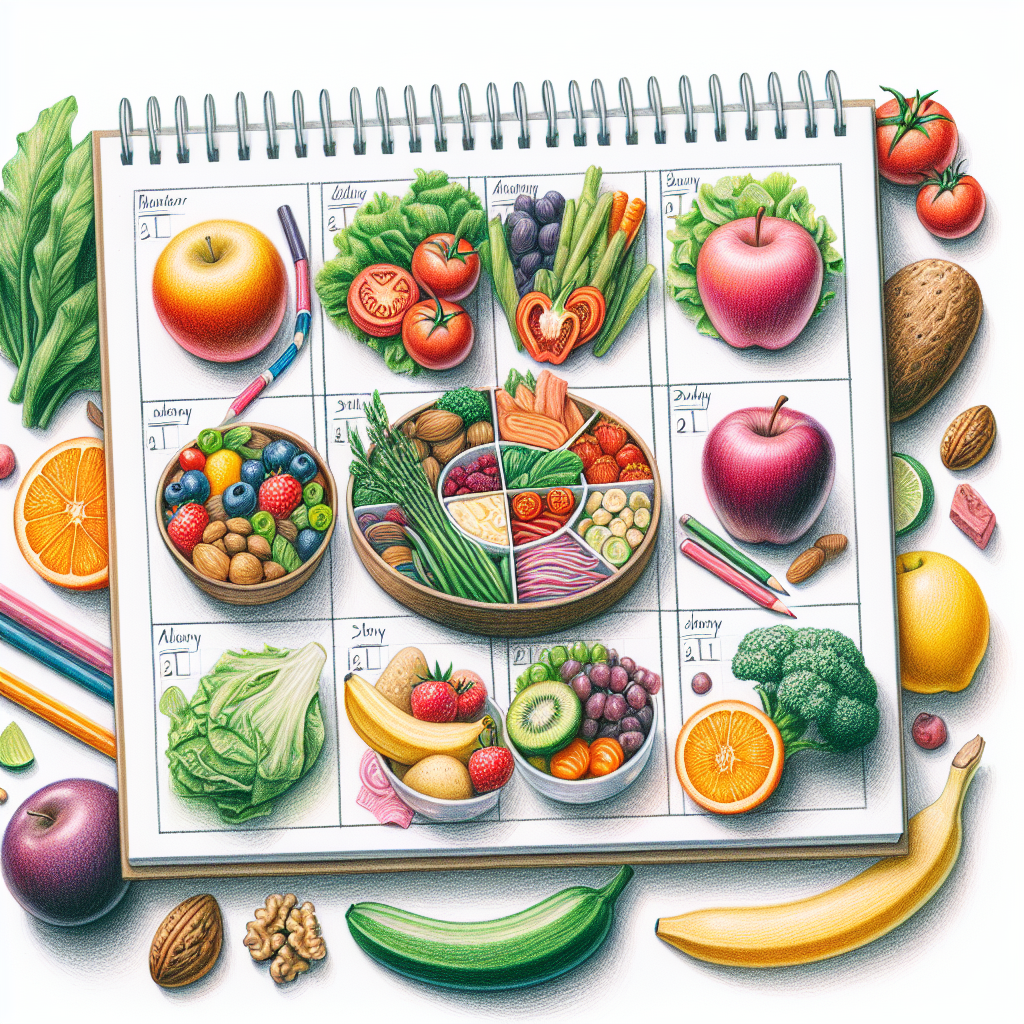
30 Day Healthy Meal Plan for Weight Loss
Embarking on a weight loss journey requires commitment and a clear strategy. A structured meal plan can be a powerful ally, ensuring you nourish your body while shedding pounds. This article presents a comprehensive 30-day healthy meal plan designed specifically for weight loss, encapsulating balanced nutrition and practicality.
- Understanding the Basics of a Healthy Meal Plan
- 30-Day Meal Plan Overview
- Shopping List for Success
- Benefits of Short Workouts
- When to Seek Professional Advice
- Common Misconceptions about Meal Plans
- FAQs
- Conclusion
Understanding the Basics of a Healthy Meal Plan
A effective meal plan is centered on whole foods, incorporates a variety of nutrients, and is tailored to maintain satiety while promoting fat loss. It typically includes:
- Lean Proteins: Chicken, turkey, legumes, and fish are excellent choices.
- Whole Grains: Quinoa, brown rice, and whole grain bread provide essential fiber.
- Fruits and Vegetables: Aim for a colorful variety for maximum vitamins and minerals.
- Healthy Fats: Avocados, nuts, and olive oil support metabolic functions.
30-Day Meal Plan Overview
Below is a summarized weekly breakdown of the 30-day meal plan, featuring breakfast, lunch, and dinner ideas. This structure is designed to be enjoyable while fostering weight loss:
Week 1
- Breakfast: Overnight oats with berries.
- Lunch: Quinoa salad with chickpeas and bell peppers.
- Dinner: Grilled chicken with steamed broccoli.
Week 2
- Breakfast: Smoothie with spinach, banana, and almond milk.
- Lunch: Lentil soup with whole grain bread.
- Dinner: Baked salmon with asparagus.
Week 3
- Breakfast: Greek yogurt with honey and nuts.
- Lunch: Turkey wrap with lettuce, tomato, and avocado.
- Dinner: Stir-fried tofu with vegetables.
Week 4
- Breakfast: Chia seed pudding with fruit.
- Lunch: Spinach and feta salad with grilled shrimp.
- Dinner: Zucchini noodles with marinara sauce.
Shopping List for Success
To set yourself up for success, prepare a shopping list based on your meal plan. Here’s a comprehensive list of essentials:
- Lean proteins: chicken, turkey, fish, legumes.
- Whole grains: quinoa, brown rice, whole grain bread.
- Fruits: berries, bananas, apples.
- Vegetables: spinach, broccoli, bell peppers, zucchinis.
- Healthy fats: avocados, nuts, olive oil.
Benefits of Short Workouts
Incorporating short, six-minute workouts into your daily routine can profoundly amplify the effects of your meal plan. These intensive sessions can:
- Boost metabolism, enhancing fat burning.
- Improve cardiovascular health.
- Increase energy levels throughout the day.
- Fit seamlessly into a busy schedule.
To explore how you can complement your meal plan with short workouts, consider registering for the SixPack workout program for 30 days for free.
When to Seek Professional Advice
While a structured meal plan can be highly effective, certain situations may warrant the assistance of a healthcare professional:
- If you have underlying health conditions that affect diet, such as diabetes.
- If you are experiencing significant weight fluctuations or emotional distress concerning food.
- If you are contemplating drastic dietary changes or have specific nutritional needs.
Common Misconceptions about Meal Plans
The implementation of a meal plan often faces skepticism due to prevalent myths:
- Myth: Meal plans are too restrictive.
- Fact: A good meal plan promotes variety and can be adapted to individual tastes.
- Myth: Meal plans are only for quick weight loss.
- Fact: Sustainable meal planning fosters long-term healthy habits.
FAQs
What is the role of meal planning in weight loss?
Meal planning helps control portions and ensure balanced nutrition, making it easier to adhere to a weight loss regimen.
Are all meal plans the same?
No, effective meal plans are personalized based on individual dietary preferences, goals, and nutritional needs.
How important is exercise while following a meal plan?
Exercise complements a meal plan by enhancing weight loss, improving mood, and maintaining overall health.
Can meal planning lead to nutrient deficiencies?
If not done correctly, yes. It is crucial to include a variety of foods to cover all nutrient bases.
How often should I update my meal plan?
It is advisable to review and adjust your meal plan every few weeks based on results and changing needs.
Are there any quick meals I can prepare?
Yes, consider quick recipes like salads, smoothies, or stir-fries, which can be healthy and satisfying.
Conclusion
- Structured meal planning is essential for effective weight loss.
- A 30-day plan can provide motivation and direction.
- Short, six-minute workouts significantly enhance the benefits of your meal plan.
- Consult a professional for personalized advice when necessary.
- Address misconceptions to fully embrace the benefits of meal planning.
As you embark on your weight loss journey, consider not only your meal choices but also how you integrate physical activity into your daily life. For a transformative experience, register for the SixPack workout program for 30 days for free and make the most of your efforts.
Author: John Angel