
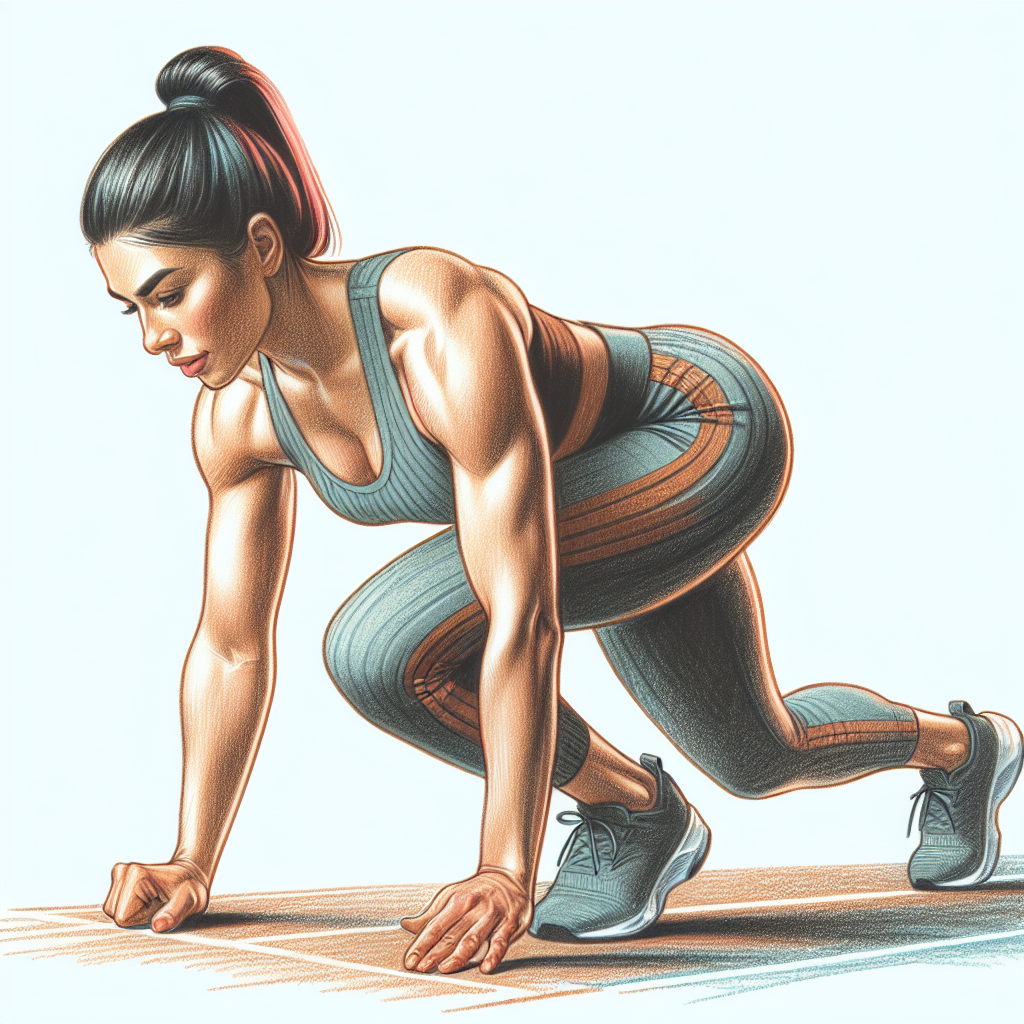
Embarking on a weight loss journey can often seem daunting, but a full body weight program can be your steadfast ally. By leveraging the power of short, effective workouts, you can achieve significant results without the need for a gym membership or extensive equipment. The convenience and efficiency of six-minute workouts can seamlessly fit into even the busiest of schedules, making it easier to prioritize your fitness. This approach not only encourages steady weight loss but also promotes a healthier lifestyle overall.
- What is a Full Body Weight Program?
- Benefits of Short Workouts
- Structure of a Full Body Weight Program
- Practical Steps for Implementation
- When to Consult a Professional
- Common Myths and Mistakes
- FAQs
What is a Full Body Weight Program?
A full body weight program is a structured exercise regimen designed to engage all major muscle groups using body weight as resistance. This approach is highly versatile and can vary in intensity, making it suitable for individuals at all fitness levels. The emphasis is on functional movements that build strength, increase endurance, and enhance overall fitness.
Benefits of Short Workouts
The magic of six-minute short workouts lies in their ability to deliver significant benefits in a minimal amount of time. Here are some of the advantages:
- Time Efficiency: Busy schedules can hinder workout consistency. Short durations eliminate excuses and allow for regular exercise.
- Increased Motivation: Quick bursts of activity tend to be more engaging, reducing feelings of monotony.
- Improved Mental Health: Short workouts can alleviate stress and boost mood, contributing positively to your emotional well-being.
- Accessibility: These workouts can be performed anywhere, making them ideal for home settings or while traveling.
- Adaptability: Six-minute workouts can be tailored to fit individual goals, whether they involve strength training, flexibility, or cardiovascular fitness.
Structure of a Full Body Weight Program
A well-rounded full body weight program typically comprises three to four primary components:
- Warm-Up: 5 minutes of dynamic stretching or light cardio to prepare the body.
- Main Workout: 20-30 minutes focusing on major muscle groups through exercises such as push-ups, squats, and lunges.
- Cool-Down: 5 minutes of stretching to enhance flexibility and prevent injury.
- Rest Days: Incorporate rest days to allow for muscle recovery and growth.
Practical Steps for Implementation
To incorporate a full body weight program into your daily life, consider the following practical steps:
- Assess Your Current Fitness Level: Understand where you currently stand to tailor the program accordingly.
- Schedule Your Workouts: Allocate specific times during the week for exercise and treat them as non-negotiable appointments.
- Start Slow: Begin with shorter workouts and gradually increase the intensity or duration as your fitness improves.
- Stay Consistent: Consistency is key to success; aim for at least three workouts per week.
- Track Your Progress: Document your workouts and any changes in your physical condition to stay motivated.
- Join a Program: Consider signing up for structured programs for additional guidance, such as the SixPack workout program for 30 days free.
When to Consult a Professional
While a full body weight program can benefit many individuals, there are occasions when consulting a healthcare or fitness professional is advisable:
- If you have any pre-existing health conditions.
- In cases of persistent pain or injuries related to exercise.
- When unsure how to execute specific exercises safely.
- Your weight loss journey feels stagnant, and you’re seeking tailored advice.
- If you have specific fitness goals that require specialized knowledge.
Common Myths and Mistakes
Several misconceptions surrounding bodyweight training can hinder progress. Here are some prevalent myths:
- Myth: Bodyweight exercises are only for beginners.
- Truth: They can be modified to suit advanced levels with increased intensity and complexity.
- Myth: You need a gym to get fit.
- Truth: A full body weight program can be effectively implemented at home or outdoors.
- Myth: Short workouts don’t yield results.
- Truth: Consistency and intensity matter more than duration, making short workouts viable.
FAQs
What is the best time of day to do a full body weight workout?
The best time varies by individual; however, consistency is crucial, so choose a time that you can maintain regularly.
Can I perform a full body workout every day?
While it’s possible, it is advisable to include rest days or lighter activity days to allow your muscles to recover.
Do I need any equipment for a full body weight program?
No; the beauty of bodyweight training is that it utilizes your own body as resistance.
How quickly will I see results from a full body weight program?
Results depend on individual effort, nutrition, and consistency but can typically be noticed within a few weeks.
Can beginners start a full body weight program?
Yes; bodyweight exercises can be adapted to start at any fitness level, including beginners.
How can I stay motivated on my weight loss journey?
Setting specific goals, tracking progress, and working out with others can enhance motivation and accountability.
Conclusion
- A full body weight program is effective for enhancing fitness, promoting weight loss, and improving overall health.
- Short six-minute workouts provide time-efficient and engaging ways to exercise.
- Consistency and gradual progression are key to achieving desired results.
- Consulting professionals is wise for health concerns or tailored advice.
- Understanding the myths and focusing on practical steps will support your fitness journey.
Now is the perfect time to embark on your fitness journey with the support of structured programs. Consider signing up for the SixPack workout program for 30 days free and experience the transformative power of integrating effective, short workouts into your daily routine. You have everything to gain.
Author: John Angel