
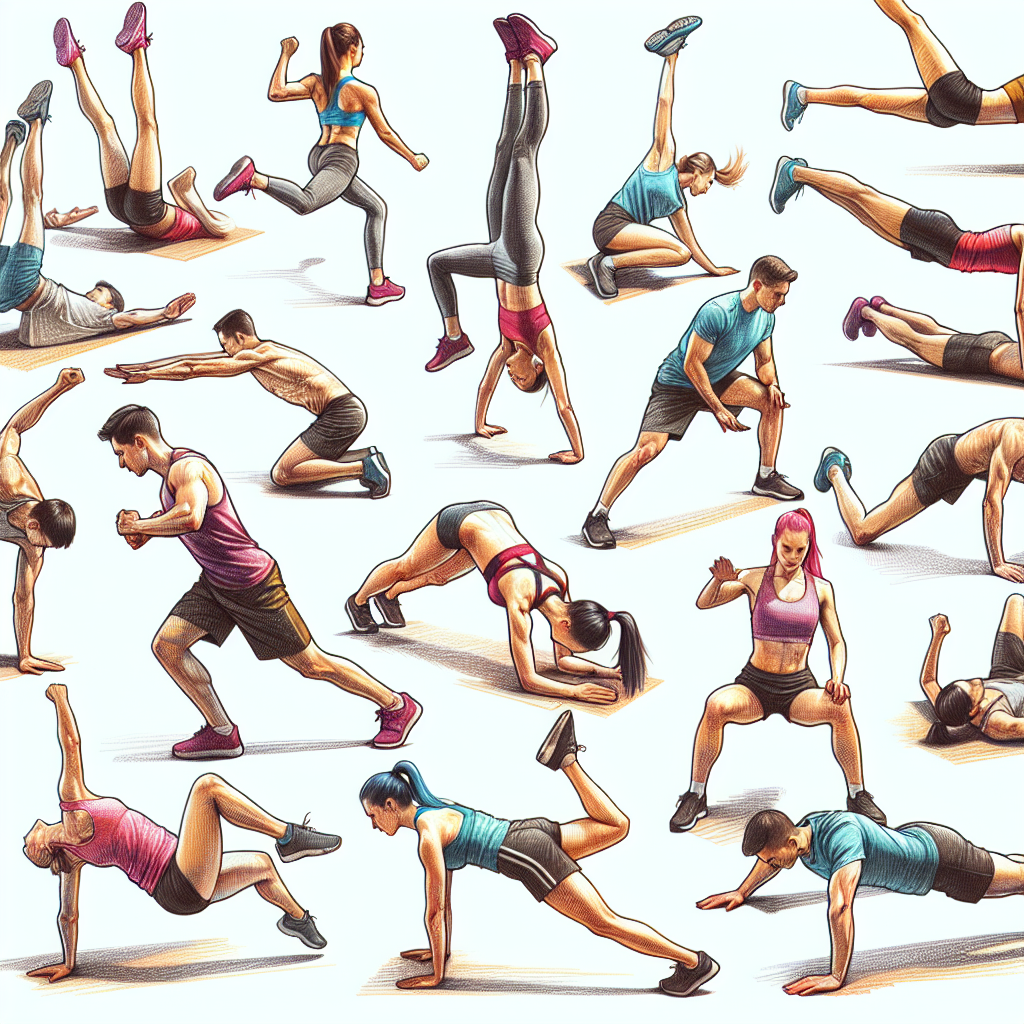
At Home Calisthenics Workout: No Equipment Needed
In an age where fitness often feels synonymous with gym memberships and expensive equipment, calisthenics stands out as an accessible and effective alternative. This article provides you with an expert guide to conducting a no-equipment calisthenics workout at home. Not only will you build strength and endurance, but you will also enhance your flexibility and coordination—all from the comfort of your living room. Furthermore, for an innovative approach to fitting fitness into your busy routine, consider a 30-day exercise program where you work out for just six minutes a day and achieve remarkable results. For free registration, visit this link.
- Understanding Calisthenics
- Benefits of At-Home Workouts
- Essential Calisthenics Exercises
- Designing Your Workout Routine
- Common Mistakes in Calisthenics
- When to Consult a Professional
- FAQs
- Conclusion
Understanding Calisthenics
Calisthenics is a form of exercise characterized by using one’s body weight to perform a variety of movements. From push-ups to squats, these exercises aim to improve strength, flexibility, and endurance. This modality emphasizes functional movements, making it beneficial for everyday activities and overall physical performance.
Benefits of At-Home Workouts
Working out at home comes with an array of advantages:
- Convenience: No need to travel to a gym means you can exercise whenever it fits your schedule.
- Cost-effective: Eliminates gym fees and requires no expensive equipment.
- Privacy: A personal space may be more comfortable for beginners or those who prefer a low-pressure environment.
- Flexibility: You can create your workout routine to suit your preferences and progress.
Essential Calisthenics Exercises
Here is a selection of foundational calisthenics exercises that you can perform without any equipment:
- Push-ups: Great for building upper body strength.
- Squats: Target your lower body and core muscles.
- Planks: Excellent for core stability and strength.
- Lunges: Engage multiple muscle groups while enhancing balance.
- Burpees: A full-body workout that boosts cardio and strength simultaneously.
- Mountain Climbers: Improves agility and cardiovascular endurance.
Designing Your Workout Routine
To create an efficient at-home calisthenics routine, consider the following steps:
- Set Your Goals: Define whether your focus is strength, endurance, flexibility, or weight loss.
- Choose Exercises: Select from the essential exercises mentioned above based on your goals.
- Determine Frequency: Aim for 3-5 sessions per week, allowing for rest and recovery if needed.
- Establish Duration: A 20-30 minute session can be highly effective, especially when performed consistently.
- Track Your Progress: Maintain a journal to monitor your improvements in strength, endurance, and form.
Common Mistakes in Calisthenics
Even seasoned practitioners can make errors that hinder progress. Here are some common mistakes to avoid:
- Poor Form: Incorrect execution can lead to injuries and decrease effectiveness. Focus on maintaining correct alignment and technique.
- Neglecting Warm-ups: Skipping this vital step increases the risk of injury. Always warm up before beginning your workout.
- Overtraining: Without adequate rest, muscle recovery is compromised. Listen to your body to prevent burnout.
- Lack of Variety: Repeating the same routine can lead to plateaus. Incorporate new exercises or modify your existing routine regularly.
When to Consult a Professional
Consulting with a healthcare or fitness professional is advisable under certain circumstances:
- If you experience persistent pain or discomfort during or after workouts.
- Should you have pre-existing health conditions that could be aggravated by exercise.
- If you are unsure about the correct form and technique for specific exercises.
- When you feel unmotivated or discouraged despite consistent effort.
FAQs
What is calisthenics?
Calisthenics refers to a form of exercise that uses body weight to improve strength, flexibility, and endurance.
Do I need equipment for calisthenics?
No, calisthenics can be performed entirely using your body weight, making it accessible for home workouts.
How often should I do calisthenics?
A frequency of 3-5 times per week is typically effective for most individuals, depending on their fitness goals.
How can I track my progress?
Maintain a workout journal or use fitness apps to record your workouts, repetitions, and any changes in strength or endurance.
Is calisthenics suitable for beginners?
Yes, calisthenics is suitable for beginners. Exercises can be modified to accommodate varying fitness levels.
What are the benefits of a six-minute daily workout?
A six-minute workout can deliver significant results by promoting consistency and minimizing the time commitment often required in traditional exercise routines.
Conclusion
- Calisthenics is an effective and accessible form of exercise that requires no equipment.
- Working out at home offers flexibility, privacy, and cost savings.
- Establish a balanced routine that includes a variety of exercises and track your progress.
- Avoid common mistakes, such as poor form and overtraining, to enhance results.
- Consult a professional if you encounter persistent pain or discomfort.
Ready to embark on your fitness journey? Consider joining a 30-day exercise program that requires only six minutes a day, yet promises incredible results. You can register for free at this link.
Author: John Angel