
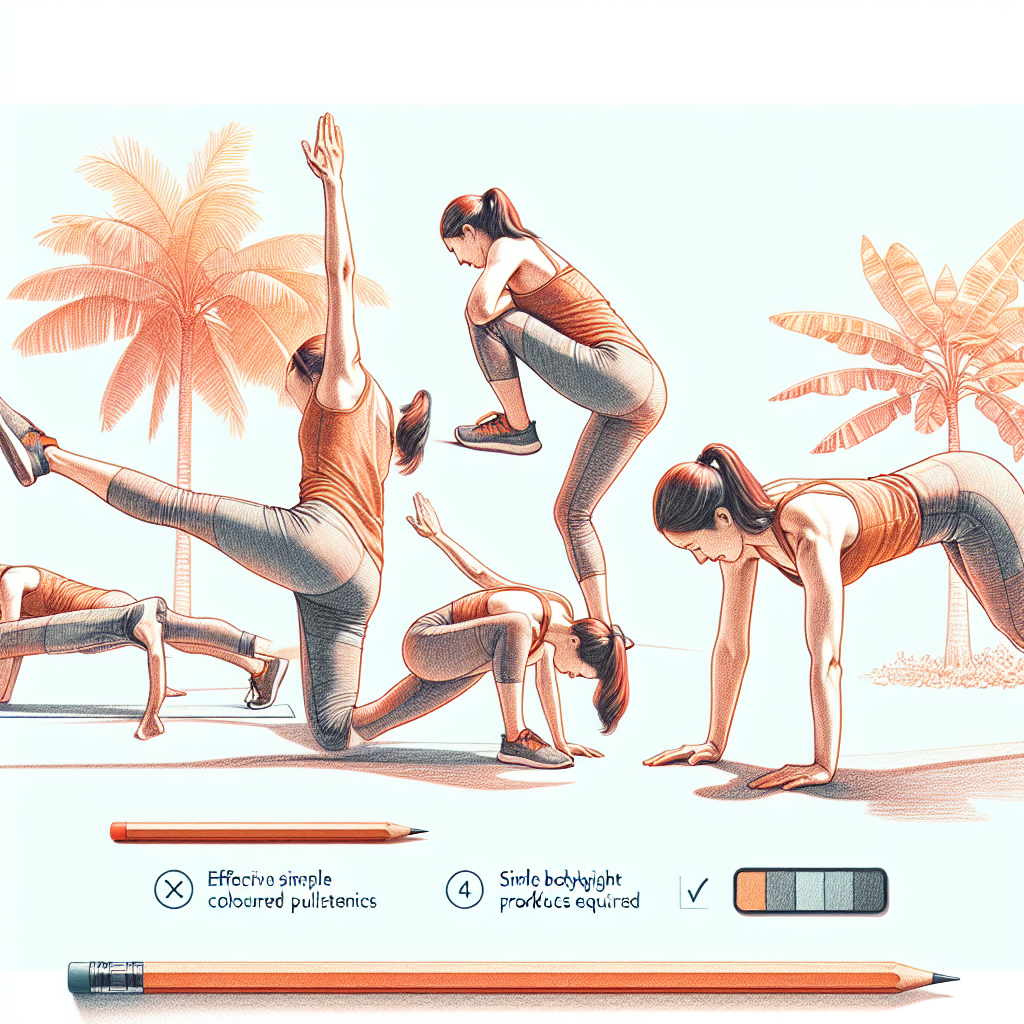
Calisthenics, a form of exercise that utilizes body weight as resistance, has gained popularity for its versatility and ease of implementation. One of the key benefits is the ability to strengthen your back without needing specialized equipment. In this article, we shall explore effective calisthenics movements targeting the back, which can be conveniently performed at home. Furthermore, we will discuss the importance of maintaining spinal health, ways to structure your routine, and how to assess when professional guidance may be required.
- Understanding Back Calisthenics
- Essential Exercises for Back Strength
- Creating a Daily Routine
- Potential Signs for Professional Advice
- Common Misconceptions
- Frequently Asked Questions
- Conclusion
Understanding Back Calisthenics
Calisthenics is rooted in functional movements that improve strength, flexibility, and overall fitness. Focusing on back calisthenics not only helps in developing strength but also enhances posture, reduces the risk of injuries, and is particularly beneficial for individuals who spend prolonged periods seated, such as office workers. Engaging in consistent back exercises can lead to profound improvements in physical health, overall empowerment, and increased self-confidence.
Essential Exercises for Back Strength
Below are some recommended bodyweight exercises aimed at strengthening the back:
- Superman Hold: Lie face down with arms extended overhead. Lift your arms and legs off the ground, holding for 15-30 seconds.
- Prone Y Raise: Similar position to the Superman hold, but raise your arms in a Y shape while keeping your thumbs up, engaging your upper back effectively.
- Bodyweight Rows: Use a sturdy table or bar. Position yourself underneath, pull yourself upward until your chest nearly touches the bar.
- Reverse Snow Angels: From a prone position, raise arms and legs slightly, and move your arms in a circular motion to mimic a snow angel.
- Cat-Cow Stretch: On all fours, alternate between arching your back upwards and dipping it downwards to enhance flexibility and mobility.
Creating a Daily Routine
A structured routine is vital for achieving desired results. An effective strategy could be to allocate just six minutes daily to your back calisthenics. Here’s a simple daily format:
- Warm-up (1 minute): Gentle stretching of the spine.
- Superman Holds (1 minute): 30 seconds rest, twice.
- Prone Y Raises (1 minute): 30 seconds rest, twice.
- Bodyweight Rows (1 minute): 30 seconds rest, twice.
- Reverse Snow Angels (1 minute): 30 seconds rest, twice.
- Cool-down (1 minute): Stretching and relaxation.
This minimalistic approach can yield results comparable to a conventional gym workout over time. For a more structured exercise plan, consider registering for a free 30-day exercise program that enhances your home workout routine.
Potential Signs for Professional Advice
While calisthenics can be an excellent approach for strengthening your back, there are instances when consulting a healthcare professional is advisable:
- If you experience sharp or persistent pain during exercises.
- In case of unusual discomfort after workouts.
- For targeted rehabilitation needs post-injury.
- If you feel a deviation from regular mobility patterns.
- For personalized program adjustments based on specific health conditions.
Common Misconceptions
There are several myths associated with calisthenics and back exercises that need addressing:
- Myth 1: Weight training is better than calisthenics for back strength. – Both can be effective; it depends on individual goals.
- Myth 2: Only gym equipment can build substantial muscle. – Bodyweight exercises can be just as effective when performed correctly.
- Myth 3: Flexibility is not essential for back strength. – Increasing flexibility is equally important for performance and injury prevention.
- Myth 4: A quick workout has minimal impact. – Consistency over time is more significant than workout duration.
Frequently Asked Questions
What is calisthenics?
Calisthenics involves exercises that utilize body weight for resistance, promoting strength and flexibility without equipment.
Can I strengthen my back without weights?
Yes, several effective calisthenics exercises target back strength and do not require any equipment.
How often should I perform back calisthenics?
A routine of 3-5 times a week is generally recommended for optimal strength development.
Are there any risks associated with back calisthenics?
Yes, improper form can lead to injuries; therefore, focus on technique and listen to your body.
Is it necessary to warm up before calisthenics?
Yes, warming up prepares your muscles, reduces injury risks, and improves performance.
Can I do back exercises if I have existing back pain?
Consult a healthcare professional before starting any exercise if you have pre-existing back pain.
Conclusion
- Back calisthenics are effective for strengthening the back without equipment.
- A structured routine can yield results similar to a gym workout.
- Monitoring your body’s response is crucial for safe practice.
- Consult professionals when experiencing pain or discomfort.
- Stay consistent and adaptable to derive meaningful benefits over time.
Embrace the potential of bodyweight exercises to elevate your fitness journey; consider integrating these calisthenics into your daily routine, and explore a free 30-day exercise program for even greater benefits.
Author: John Angel