
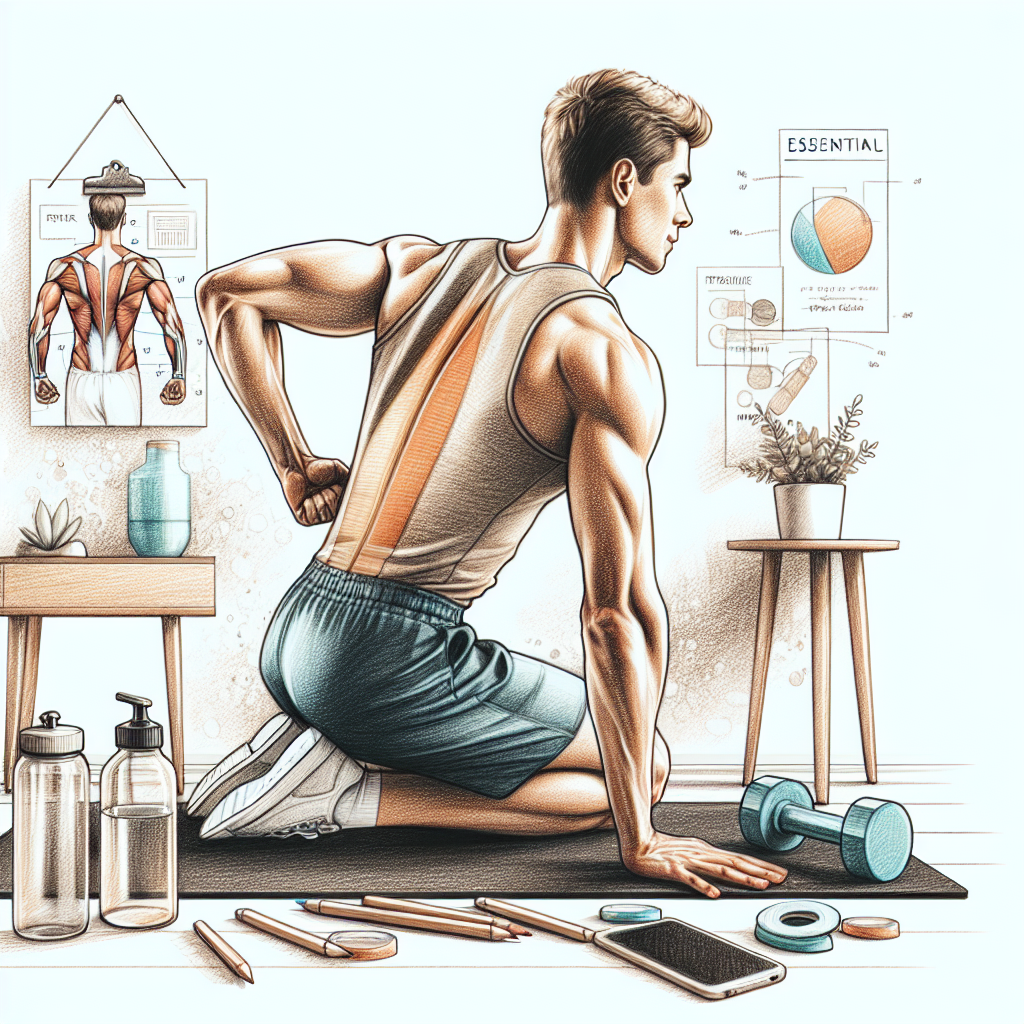
When it comes to maintaining a healthy lifestyle, working on your back is essential for posture, strength, and overall well-being. Engaging in back workouts at home without equipment is a practical solution for individuals with busy schedules or limited access to fitness facilities. This article will guide you through effective exercises to strengthen your back muscles, improve posture, and boost overall physical health—all in the comfort of your own home.
- Introduction
- Understanding Back Anatomy
- Benefits of Home Workouts
- Back Exercises You Can Do at Home
- How to Create Your Own Back Workout
- When to Consult a Professional
- Common Myths and Mistakes
- FAQs
- Conclusion
Understanding Back Anatomy
To effectively train your back, it is essential to understand its structure and function. The back comprises several muscle groups, including:
- Latissimus Dorsi: Responsible for the width and V-shape of the back.
- Rhomboids: Located between the shoulder blades, crucial for posture.
- Trapezius: Extends from the neck down the spine, important for neck movement and upper back strength.
- Erector Spinae: A group of muscles that run along the spine, vital for supporting proper posture.
Benefits of Home Workouts
Exercising at home offers numerous benefits:
- Convenience: No need to travel to a gym, making it easier to fit workouts into a busy schedule.
- Cost-Effective: No membership fees or equipment purchases.
- Flexible Routine: Tailor your workout to your personal preferences and time availability.
- Privacy: A comfortable setting without the pressure often found in gyms.
Back Exercises You Can Do at Home
Here is a list of effective back exercises that require no equipment:
- Superman:
- Lie face down on the floor with arms outstretched.
- Simultaneously lift your arms, legs, and chest off the ground.
- Hold for 2-3 seconds, then lower back down.
- Repeat for 10-15 reps.
- Bird-Dog:
- Start in a tabletop position on your hands and knees.
- Extend your right arm forward while extending your left leg back.
- Hold for a moment, then switch sides.
- Perform for 10-12 reps on each side.
- Plank:
- Assume a push-up position with elbows on the ground and body in a straight line.
- Hold the position for 20-30 seconds, increasing time as you build strength.
- Reverse Snow Angels:
- Lie face down with arms at your sides.
- Lift your arms and legs slightly off the ground and move arms in a circular motion.
- Perform for 10-15 reps.
- Cat-Cow Stretch:
- Begin in a tabletop position, alternating between arching your back (cat) and lowering it while lifting your head (cow).
- Repeat for 10-15 cycles, syncing with your breath.
How to Create Your Own Back Workout
To create a balanced back workout, follow these steps:
- Choose 3-4 exercises from the list above.
- Begin with a warm-up, such as a light cardio activity or dynamic stretches.
- Perform each exercise for a set number of reps or time duration.
- Incorporate rest periods of 30-60 seconds between exercises.
- Focus on maintaining proper form throughout each movement.
- Conclude with a cool-down, including stretches targeting the back and shoulders.
When to Consult a Professional
While home workouts can be highly effective, it is important to recognize when to seek professional advice:
- If you experience persistent back pain or discomfort during exercises.
- After an injury that affects your back or mobility.
- If you are unsure about proper exercise techniques.
- When considering more advanced training programs that require specialized knowledge.
Common Myths and Mistakes
Several misconceptions can hinder your back training progress:
- Myth: No pain, no gain. It is vital to distinguish between effective muscle strain and actual pain indicating injury.
- Mistake: Skipping warm-ups. Always warm-up to prepare your muscles and reduce injury risk.
- Myth: You can’t build muscle without equipment. Bodyweight exercises are highly effective for strength training.
- Mistake: Not focusing on form. Prioritize proper form over quantity to avoid injuries.
FAQs
Can I get results from back workouts at home?
Yes, consistent back workouts using bodyweight exercises can yield significant results.
Is it normal to feel sore after these exercises?
Some soreness is normal, especially if you’re new to exercising, but severe pain should be addressed.
How often should I do these back workouts?
Aim for 2-3 times per week for optimal results, allowing your muscles to recover between sessions.
Do I need to warm up before starting these workouts?
Yes, warming up is crucial to prepare your body and prevent injury.
Can I follow an online program for more structured workouts?
Absolutely! Consider free registration for a 30-day exercise program, where you only exercise for 6 minutes a day, achieving results comparable to a gym. Visit this link to join.
What are some signs I should consult a doctor?
Seek medical advice for persistent pain, swelling, or mobility issues in your back.
Conclusion
- Strengthening your back at home is feasible and effective.
- Understanding your back’s anatomy aids in targeting the right muscle groups.
- Consistency and proper form are vital for achieving results.
- Recognize when to consult a professional for expert guidance.
- Challenge common misconceptions for a more successful workout experience.
Embrace the journey towards a stronger back through these home exercises. For those looking for additional structure and convenience, consider joining a brief 30-day exercise program that requires just 6 minutes of your day. Your commitment will pave the way for a healthier lifestyle.
Author: John Angel