
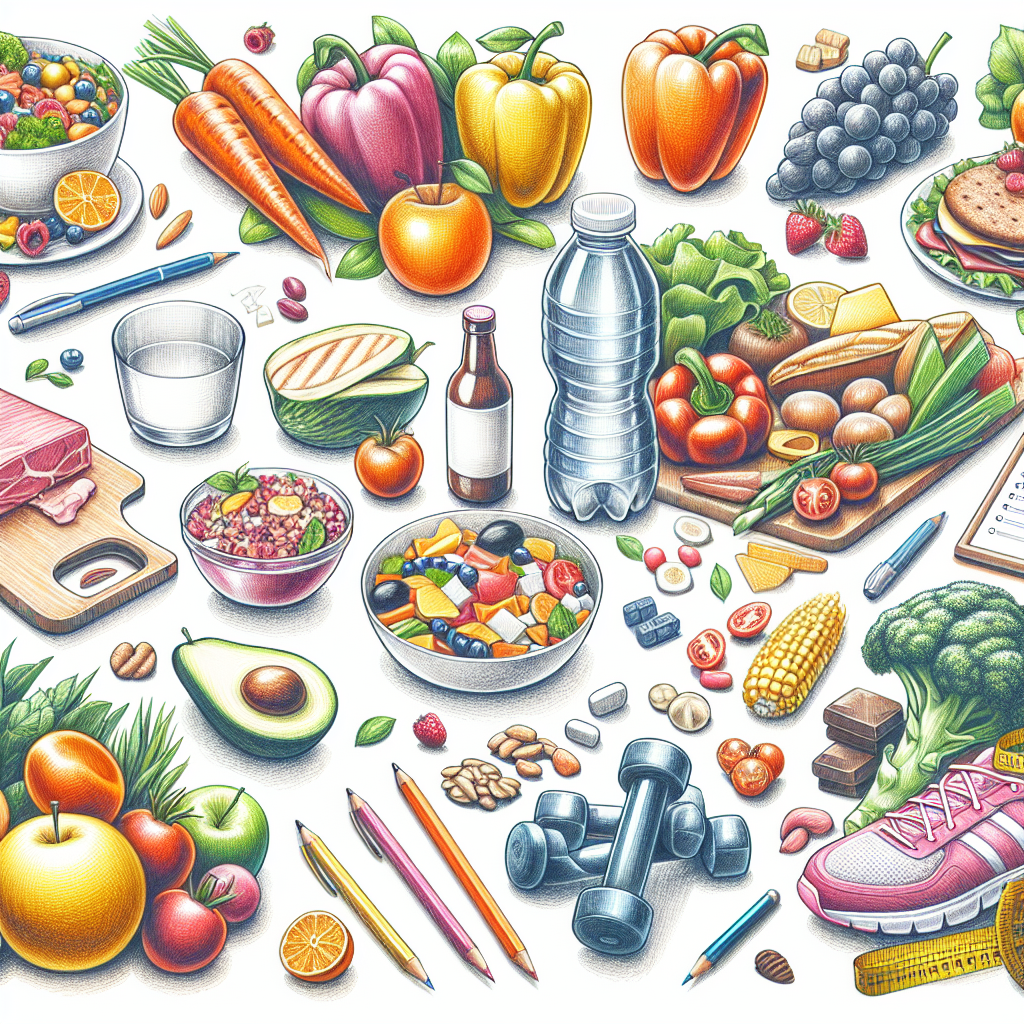
Creating a balanced meal plan is essential for anyone embarking on a weight loss journey. A well-structured meal plan not only helps in managing caloric intake but also provides the necessary nutrients to sustain energy levels and overall health. This article will explore the fundamentals of balanced meal plans for weight loss, beneficial habits to incorporate, and practical resources such as the SixPack workout program designed to support your fitness goals.
- Understanding the Components of a Balanced Meal
- Crafting Your Personalized Meal Plan
- Benefits of Short Workouts for Weight Loss
- Common Myths about Meal Planning
- When to Consult a Professional
- Frequently Asked Questions
Understanding the Components of a Balanced Meal
A balanced meal consists of three key components: macronutrients, micronutrients, and hydration. Understanding these elements can help streamline your weight loss journey on a nutritious level.
Macronutrients: Proteins, Carbohydrates, and Fats
Each meal should include a healthy balance of proteins, carbohydrates, and fats. Aim for lean proteins (such as chicken, fish, and legumes), complex carbohydrates (including whole grains and vegetables), and healthy fats (such as avocados and nuts). This combination helps maintain muscle mass and sustained energy, crucial for effective weight loss.
Micronutrients: Vitamins and Minerals
Micronutrients play a vital role in overall health, providing necessary vitamins and minerals that support bodily functions. Incorporating a variety of colorful fruits and vegetables can enhance the nutritional quality of your meals.
Hydration: The Often-Overlooked Component
Hydration is critical for optimal performance and health. Water aids digestion, nutrient absorption, and detoxification. Aim for at least eight 8-ounce glasses of water per day, adjusting based on activity levels.
Crafting Your Personalized Meal Plan
Creating an individualized meal plan can enhance your success in weight loss. Follow these steps to tailor a plan that meets your needs.
- Assess Your Caloric Needs: Utilize online calculators to determine your daily caloric needs based on age, gender, activity level, and weight loss goals.
- Select Your Macronutrient Ratios: Based on your daily caloric needs, decide your macro ratios (for example, 40% carbs, 30% protein, 30% fat).
- Plan Your Meals: Create a weekly menu that incorporates a variety of proteins, carbs, and fats in each meal.
- Prepare Ahead: Meal prepping can help you stay on track. Dedicate time each week to cook and package meals for easy access and consumption.
- Track Your Progress: Use apps like MyFitnessPal to monitor your caloric intake and ensure adherence to your meal plan.
Benefits of Short Workouts for Weight Loss
One effective approach to enhancing your weight loss journey is through short but impactful workouts. The magic of six-minute short workouts at home lies in their ability to fit seamlessly into any day. These workouts can stimulate metabolism, promote fat loss, and require no gym membership.
- Time-Saving: Short workouts can easily be integrated into a busy schedule, allowing you to stay active without extensive time commitments.
- Increased Intensity: Short, high-intensity workouts can lead to better calorie burning both during and after the exercise session.
- Accessibility: All you need is a small space at home to get started, making it convenient for almost anyone.
Consider trying the 30-day free SixPack workout program to kickstart your fitness routine effectively.
Common Myths about Meal Planning
Several misconceptions about meal planning can hinder progress. Here are a few to clarify:
Myth 1: Meal Plans Are Too Restrictive
While meal plans can guide you, they do not have to be overly restrictive. Flexibility is key; consider modifying ingredients based on preferences and seasonal availability.
Myth 2: All Carbohydrates Are Bad
Carbohydrates are essential for energy, especially during workouts. The focus should be on complex carbohydrates and whole grains rather than refined sugars.
Myth 3: Snacking Is Not Allowed
Healthy snacks can actually support your weight loss journey by curbing hunger and preventing overeating during main meals. Opt for snacks that are rich in nutrients but moderate in calories.
When to Consult a Professional
While meal planning can be a straightforward process, some situations may warrant professional guidance. Seek help in the following scenarios:
- If you have underlying health conditions.
- When you struggle with disordered eating behaviors.
- If you’re unsure about specific nutritional needs or dietary restrictions.
- When attempting extreme weight loss or dietary changes.
Frequently Asked Questions
What should I include in a balanced meal?
A balanced meal typically includes lean protein, complex carbohydrates, healthy fats, and a variety of vegetables or fruits.
Can I lose weight without a meal plan?
While a meal plan can provide structure, weight loss is ultimately about maintaining a caloric deficit, which can be achieved through mindful eating.
How do I stay motivated during my weight loss journey?
Setting realistic goals, tracking your progress, and celebrating small victories can significantly enhance your motivation.
Is it necessary to count calories?
Counting calories can help you understand portion sizes and make more informed food choices, but it is not mandatory for everyone.
What role does exercise play in weight loss?
Exercise can increase the number of calories burned, help maintain muscle mass, and improve overall health, making it a key component of weight loss.
How can short workouts benefit my overall fitness?
Short workouts can enhance cardiovascular health, improve muscle tone, and boost metabolic rate, making them an efficient way to stay fit.
Conclusion
- Balanced meal plans are vital for successful weight loss.
- A variety of nutrients is essential for overall health.
- Short workouts can significantly complement your meal planning efforts.
- Caution against common misinformation to better understand effective weight loss practices.
- Consult a professional when health issues arise or when in doubt on your nutritional needs.
Embarking on a balanced meal plan is a crucial step in your weight loss journey. Enhance your approach by considering the 30-day free SixPack workout program to optimize your efforts and achieve your health goals.
Author: John Angel