Categories
Weight Loss

Effective One-Day Meal Plan for Weight Loss

One Day Meal for Weight Loss

Embarking on a weight loss journey can appear overwhelming, but cultivating mindful eating habits can make the process significantly easier. Selecting the right meals can boost metabolism, control cravings, and keep your energy levels stable throughout the day. In this article, we will present a simple, one-day meal plan that combines essential nutrients to facilitate your weight loss goals, empowering you to make healthier choices effortlessly.

  • Understanding Balanced Nutrition
  • A One-Day Meal Plan Overview
  • Practical Eating Steps
  • When to Consult a Professional
  • Common Myths and Misconceptions
  • Frequently Asked Questions

Understanding Balanced Nutrition

Balanced nutrition is pivotal in any weight loss endeavor. It involves consuming a variety of foods in proportions that provide the necessary nutrients without excess calories. Your diet should include:

  • Proteins: Essential for muscle repair and growth, proteins help keep you satiated.
  • Carbohydrates: The body’s main energy source; opt for complex carbs over simple sugars.
  • Fats: Healthy fats are vital for maintaining cellular health and supporting hormone production.
  • Vitamins and Minerals: These are essential for various bodily functions and are found abundantly in fruits and vegetables.

A One-Day Meal Plan Overview

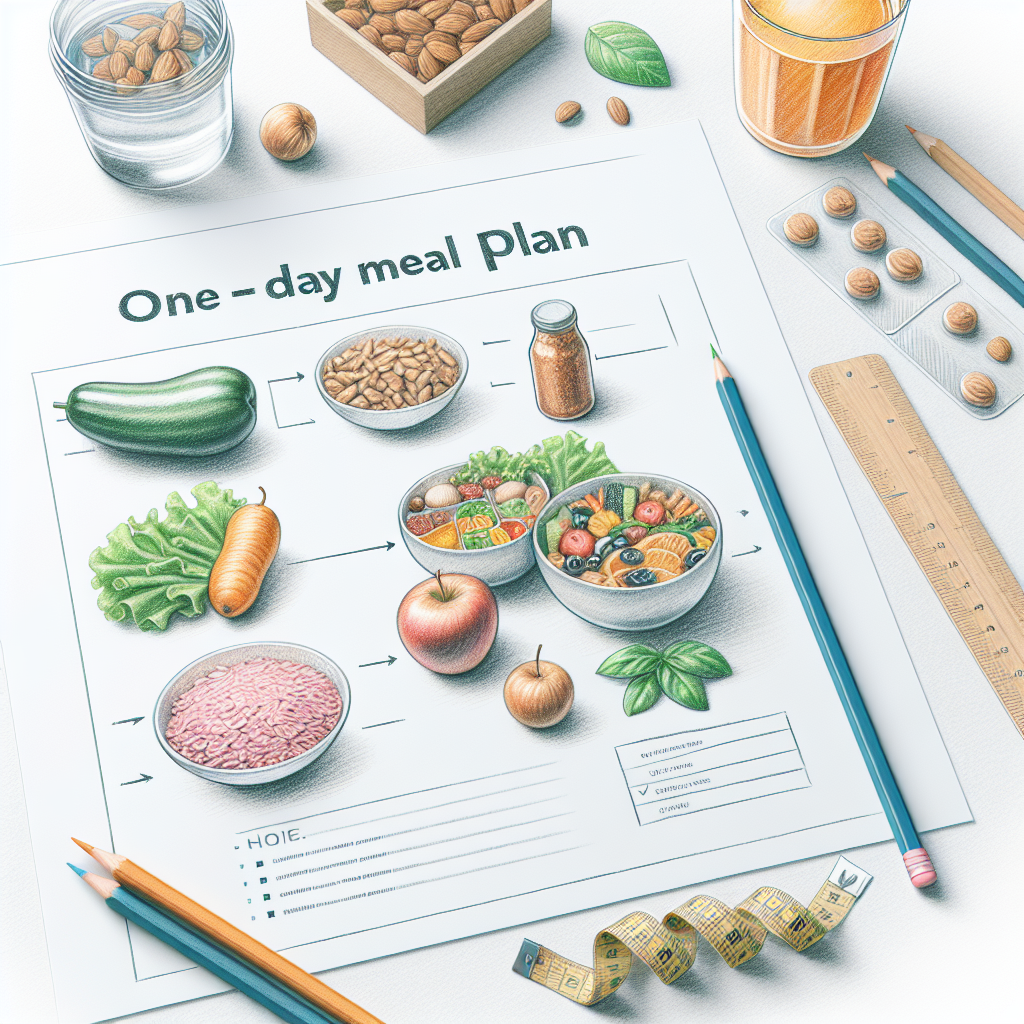
Your one-day meal plan consists of three balanced meals and two healthy snacks. Each meal is designed to support weight loss while satisfying your daily nutritional needs.

Breakfast

Greek Yogurt Parfait: Combine one cup of Greek yogurt with half a cup of mixed berries and a sprinkle of granola. This breakfast is high in protein and antioxidants, making it a nutritious start to your day.

Morning Snack

Almonds: A handful (about 1 ounce) of almonds provides healthy fats and protein, keeping your hunger at bay until lunch.

Lunch

Quinoa Salad: Mix one cup of cooked quinoa with chopped cucumbers, tomatoes, a handful of spinach, and a dressing of olive oil and lemon juice. This meal is rich in fiber and protein, ensuring prolonged satiety.

Afternoon Snack

Sliced Apple with Peanut Butter: An apple paired with one tablespoon of peanut butter offers both fiber and healthy fats, making it a tasty energy boost.

Dinner

Grilled Chicken and Vegetables: Serve a portion of grilled chicken breast alongside steamed broccoli and carrots. This meal is packed with protein and vitamins while remaining low in calories.

Practical Eating Steps

Adopting this meal plan is straightforward. Follow these steps to streamline your dietary approach:

  1. Plan your meals each week, focusing on variety and balance.
  2. Prepare snacks in advance to avoid last-minute unhealthy choices.
  3. Cook larger portions of healthy meals to have leftovers for busy days.
  4. Incorporate the SixPack workout program, which emphasizes short, effective workouts that fit seamlessly into your daily routine.
  5. Stay hydrated with plenty of water throughout the day.

When to Consult a Professional

Though this meal plan can aid in weight loss, certain situations warrant professional guidance. If you find yourself experiencing significant weight fluctuations, extreme dietary restrictions, or persistent fatigue, it may be time to consult a registered dietitian or a healthcare provider. They can personalize your nutrition plan according to your specific health requirements and lifestyle.

Common Myths and Misconceptions

Several myths surrounding weight loss can inhibit progress and cause confusion. Below are a few prevalent misconceptions:

  • Myth 1: Eating fat makes you fat. Healthy fats are necessary for hormone regulation and satiety.
  • Myth 2: Carbs should be completely avoided. Complex carbohydrates are essential for energy and overall health.
  • Myth 3: Skipping meals aids in weight loss. Regular meals help maintain energy and reduce binge eating.

Frequently Asked Questions

Can I lose weight by only changing my diet?

Yes, modifying your diet can lead to weight loss; however, incorporating regular exercise enhances results and improves overall health.

How important is portion control?

Portion control is crucial for managing calorie intake, helping to prevent overeating even with healthy foods.

Are snacks beneficial for weight loss?

Healthy snacks can prevent hunger pangs and energy crashes, making it easier to stick to your meal plan.

What role does hydration play in weight loss?

Staying hydrated helps your body operate efficiently and may assist in curbing unnecessary cravings.

Is it necessary to count calories?

While not strictly necessary, being mindful of calorie intake can help you stay on track with your weight loss goals.

How can short workouts benefits my weight loss journey?

Short, intense workouts can boost metabolism, improve cardiovascular health, and fit easily into a busy lifestyle.

Conclusion

  • Balanced nutrition is essential for successful weight loss.
  • Your one-day meal plan includes nutritious meals and snacks designed for effective weight management.
  • Implement practical steps to streamline your eating habits.
  • Consult a healthcare professional if experiencing unusual signs related to your health.
  • Dispel common weight loss myths to better inform your health decisions.

By taking proactive steps today, you can enhance your weight loss journey significantly. Begin integrating the strategies discussed and consider participating in the SixPack workout program to elevate your fitness level and maximize results.

Author: John Angel
Related articles

Categories
Nutrition and Wellness

6-Day Structured Meal Plan for Effective Weight Loss

6-Day Meal Plan for Weight Loss

Embarking on a weight loss journey can seem daunting, yet a structured approach can simplify the process. This article presents a carefully crafted six-day meal plan, designed to promote healthy eating habits without compromising nutrition. Coupled with effective exercise regimens, like the SixPack workout program, you can enhance your weight loss efforts with engaging six-minute short workouts at home.

  • Understanding the Importance of a Balanced Diet
  • Meal Plan Overview
  • Key Nutritional Components
  • Common Myths Surrounding Weight Loss
  • When to Consult a Professional
  • FAQ
  • Conclusion

Understanding the Importance of a Balanced Diet

While exercise is vital for fitness, diet plays a significant role in successful weight management. A balanced diet enriches the body with essential nutrients, ensuring that you feel satiated while successfully shedding unwanted pounds. Incorporating a variety of fruits, vegetables, lean proteins, and whole grains can lead to improved energy levels and overall wellness on your weight loss journey.

Meal Plan Overview

This six-day meal plan comprises three meals and two snacks daily, focusing on nutrient density and caloric control. Each day’s options are designed to keep you satisfied and energized. Here’s a breakdown of the meal plan:

  • Day 1: Grilled chicken salad, quinoa, apple slices
  • Day 2: Baked salmon, steamed broccoli, mixed berries
  • Day 3: Turkey wrap, carrot sticks, hummus
  • Day 4: Stir-fried tofu with mixed vegetables, brown rice
  • Day 5: Lentil soup, side salad, orange segments
  • Day 6: Sautéed shrimp, asparagus, whole grain toast

Key Nutritional Components

For effective weight loss, it is essential to understand the core nutritional components that contribute to a healthy diet:

  • Proteins: Vital for muscle maintenance; sources include lean meats, fish, beans, and legumes.
  • Carbohydrates: The body’s main energy source; opt for whole grains and vegetables to keep blood sugar levels stable.
  • Fats: Necessary for nutrient absorption; use healthy fats such as avocado, nuts, and olive oil.
  • Fibers: Indispensable for digestion; abundant in fruits, vegetables, and whole grains, they promote satiety.

Common Myths Surrounding Weight Loss

Despite the wealth of information available, several misconceptions can hinder your progress:

  • Myth 1: Skipping meals aids weight loss.
  • Myth 2: All fats are bad.
  • Myth 3: Carbohydrates should be completely eliminated.
  • Myth 4: Quick fixes and fad diets are sustainable long-term.

When to Consult a Professional

If you find yourself struggling to lose weight despite rigorous efforts or if you experience fatigue, emotional distress, or other concerning symptoms, consultation with a healthcare provider is imperative. Personalized recommendations from a registered dietitian or nutritionist can help tailor a plan that accommodates your unique needs and health status.

FAQ

What should I drink while on a weight loss plan?

Water is the ideal choice; herbal teas and black coffee can also be included, but limit sugary beverages and alcohol.

How can I stay motivated throughout my weight loss journey?

Setting achievable goals, tracking progress, and joining supportive groups can bolster motivation.

Is it normal to hit a plateau during weight loss?

Yes, plateaus are common; varying your routine and re-evaluating diet can help break through them.

How important is meal timing for weight loss?

While meal timing can impact energy levels, the overall quality and quantity of food intake are more critical for weight loss.

Can I consume snacks while trying to lose weight?

Healthy snacks can help maintain energy and prevent overeating during main meals, so include them wisely.

What role does exercise play in weight loss?

Exercise enhances caloric burn, improves mood, and promotes muscle mass, which can facilitate easier weight management.

Conclusion

  • Adopt a balanced diet rich in proteins, healthy fats, and fibers.
  • Follow the structured six-day meal plan to help create healthy habits.
  • Stay informed about common weight loss myths to avoid confusion.
  • Consult healthcare professionals for personalized dietary and fitness advice.
  • Engage in brief, high-intensity workouts like the SixPack workout program for maximum efficiency.

Transform your weight loss journey by taking proactive steps toward a healthier lifestyle today!

Author: John Angel

Related articles

Categories
Nutrition and Wellness

Effective Meal Plan for Weight Loss: A Comprehensive Guide

Embarking on a weight loss journey can be a daunting task, but a well-structured meal plan can significantly simplify the process. A strategic approach to nutrition not only assists in achieving your goals but also promotes a healthier lifestyle. Continuous improvements in dietary habits can foster a sustainable transformation while ensuring that you never feel deprived of satisfying meals.

  • Understanding Your Nutritional Needs
  • Creating a Balanced Meal Plan
  • Sample Meal Plan for Weight Loss
  • Benefits of Short Workouts
  • When to Consult a Professional
  • Common Misconceptions
  • FAQ

Understanding Your Nutritional Needs

Before creating a meal plan, it’s essential to recognize your individual nutritional requirements. Factors such as age, gender, activity level, and metabolic rate play a significant role in determining the number of calories you need. A common starting point is to calculate your Basal Metabolic Rate (BMR) and adjust according to your lifestyle.

Creating a Balanced Meal Plan

A balanced meal plan includes a thoughtful combination of macronutrients: carbohydrates, proteins, and fats. Each serves a unique purpose in the body:

  • Carbohydrates: Provide immediate energy and support metabolic functions.
  • Proteins: Crucial for muscle recovery and growth, they also promote satiety.
  • Fats: Essential for hormone production and nutrient absorption.

Incorporating a variety of fruits, vegetables, whole grains, and lean proteins can help maintain balance and enhance overall well-being while on your weight loss journey.

Sample Meal Plan for Weight Loss

Below is a one-week sample meal plan designed to facilitate weight loss. Each day includes breakfast, lunch, dinner, and two snacks. Feel free to adjust portion sizes based on your individual caloric requirements.

  1. Day 1:
    • Breakfast: Scrambled eggs with spinach and whole-grain toast
    • Snack: Greek yogurt with berries
    • Lunch: Grilled chicken salad with a variety of vegetables
    • Snack: A handful of nuts
    • Dinner: Baked salmon with brown rice and steamed broccoli
  2. Day 2:
    • Breakfast: Oatmeal topped with sliced banana
    • Snack: Carrot sticks with hummus
    • Lunch: Quinoa and black bean salad
    • Snack: Apple slices with almond butter
    • Dinner: Stir-fried tofu with mixed vegetables
  3. [Continue with additional days…>

Benefits of Short Workouts

As you navigate your weight loss journey, incorporating short, intense workouts can significantly enhance your efforts. The magic of six-minute workouts lies in their efficiency; they can help you burn calories without requiring a significant time commitment. Just a few minutes can elevate your heart rate, stimulate muscle growth, and promote fat loss.

Incorporating these quick sessions into your daily routine can energize you and help boost your mood, making them an invaluable addition to your wellness plan. To kickstart this journey with effective at-home routines, consider registering for the SixPack workout program for 30 days free.

When to Consult a Professional

While a meal plan can aid in weight loss, certain circumstances warrant professional guidance. You should consider consulting a registered dietitian or healthcare provider if you:

  • Have underlying health conditions (e.g., diabetes, heart disease)
  • Are experiencing emotional distress related to food
  • Exhibit signs of disordered eating behaviors
  • Have rapidly gained or lost a significant amount of weight
  • Are considering supplements to aid weight loss

Common Misconceptions

Several myths surrounding meal planning can hinder your progress. Below are a few notable misconceptions:

  • Myth 1: “Carbs are bad for weight loss.” – In moderation, carbohydrates are vital for energy.
  • Myth 2: “Skipping meals is an effective strategy.” – This can lead to overeating later; regular meals help maintain metabolism.
  • Myth 3: “All fats make you gain weight.” – Healthy fats are essential and can aid in satiety.

FAQ

What should I include in my weight loss meal plan?

A balanced meal plan should contain fruits, vegetables, whole grains, lean proteins, and healthy fats.

Can I lose weight by just exercising?

While exercise is crucial, combining it with a balanced meal plan yields the best results for weight loss.

How often should I eat while trying to lose weight?

Regular meals and snacks every 3-4 hours can help maintain energy levels and prevent overeating.

Is it necessary to track calories?

Tracking can be beneficial for some; it allows you to understand portion sizes and maintain accountability.

Can I consume alcohol on a weight loss plan?

Alcohol can hinder weight loss; moderation is key if included in your plan.

What role does hydration play in weight loss?

Staying hydrated supports metabolic functions and can reduce feelings of hunger.

Conclusion

  • Create a meal plan tailored to your nutritional needs.
  • Incorporate a variety of foods to ensure balanced nutrition.
  • Utilize effective and short workouts to enhance your journey.
  • Consult a professional when necessary to align your strategies.
  • Stay informed and challenge common misconceptions related to weight loss.

Remember, your weight loss journey is unique to you. Embrace each step with the understanding that small changes can lead to significant results. Are you ready to explore an efficient workout routine to complement your meal plan? Join the SixPack workout program for 30 days free to experience the benefits firsthand!

Author: John Angel

Related articles

Categories
Health and Nutrition

Balanced Meal Plans for Effective Weight Loss

Creating a balanced meal plan is essential for anyone embarking on a weight loss journey. A well-structured meal plan not only helps in managing caloric intake but also provides the necessary nutrients to sustain energy levels and overall health. This article will explore the fundamentals of balanced meal plans for weight loss, beneficial habits to incorporate, and practical resources such as the SixPack workout program designed to support your fitness goals.

  • Understanding the Components of a Balanced Meal
  • Crafting Your Personalized Meal Plan
  • Benefits of Short Workouts for Weight Loss
  • Common Myths about Meal Planning
  • When to Consult a Professional
  • Frequently Asked Questions

Understanding the Components of a Balanced Meal

A balanced meal consists of three key components: macronutrients, micronutrients, and hydration. Understanding these elements can help streamline your weight loss journey on a nutritious level.

Macronutrients: Proteins, Carbohydrates, and Fats

Each meal should include a healthy balance of proteins, carbohydrates, and fats. Aim for lean proteins (such as chicken, fish, and legumes), complex carbohydrates (including whole grains and vegetables), and healthy fats (such as avocados and nuts). This combination helps maintain muscle mass and sustained energy, crucial for effective weight loss.

Micronutrients: Vitamins and Minerals

Micronutrients play a vital role in overall health, providing necessary vitamins and minerals that support bodily functions. Incorporating a variety of colorful fruits and vegetables can enhance the nutritional quality of your meals.

Hydration: The Often-Overlooked Component

Hydration is critical for optimal performance and health. Water aids digestion, nutrient absorption, and detoxification. Aim for at least eight 8-ounce glasses of water per day, adjusting based on activity levels.

Crafting Your Personalized Meal Plan

Creating an individualized meal plan can enhance your success in weight loss. Follow these steps to tailor a plan that meets your needs.

  1. Assess Your Caloric Needs: Utilize online calculators to determine your daily caloric needs based on age, gender, activity level, and weight loss goals.
  2. Select Your Macronutrient Ratios: Based on your daily caloric needs, decide your macro ratios (for example, 40% carbs, 30% protein, 30% fat).
  3. Plan Your Meals: Create a weekly menu that incorporates a variety of proteins, carbs, and fats in each meal.
  4. Prepare Ahead: Meal prepping can help you stay on track. Dedicate time each week to cook and package meals for easy access and consumption.
  5. Track Your Progress: Use apps like MyFitnessPal to monitor your caloric intake and ensure adherence to your meal plan.

Benefits of Short Workouts for Weight Loss

One effective approach to enhancing your weight loss journey is through short but impactful workouts. The magic of six-minute short workouts at home lies in their ability to fit seamlessly into any day. These workouts can stimulate metabolism, promote fat loss, and require no gym membership.

  • Time-Saving: Short workouts can easily be integrated into a busy schedule, allowing you to stay active without extensive time commitments.
  • Increased Intensity: Short, high-intensity workouts can lead to better calorie burning both during and after the exercise session.
  • Accessibility: All you need is a small space at home to get started, making it convenient for almost anyone.

Consider trying the 30-day free SixPack workout program to kickstart your fitness routine effectively.

Common Myths about Meal Planning

Several misconceptions about meal planning can hinder progress. Here are a few to clarify:

Myth 1: Meal Plans Are Too Restrictive

While meal plans can guide you, they do not have to be overly restrictive. Flexibility is key; consider modifying ingredients based on preferences and seasonal availability.

Myth 2: All Carbohydrates Are Bad

Carbohydrates are essential for energy, especially during workouts. The focus should be on complex carbohydrates and whole grains rather than refined sugars.

Myth 3: Snacking Is Not Allowed

Healthy snacks can actually support your weight loss journey by curbing hunger and preventing overeating during main meals. Opt for snacks that are rich in nutrients but moderate in calories.

When to Consult a Professional

While meal planning can be a straightforward process, some situations may warrant professional guidance. Seek help in the following scenarios:

  • If you have underlying health conditions.
  • When you struggle with disordered eating behaviors.
  • If you’re unsure about specific nutritional needs or dietary restrictions.
  • When attempting extreme weight loss or dietary changes.

Frequently Asked Questions

What should I include in a balanced meal?

A balanced meal typically includes lean protein, complex carbohydrates, healthy fats, and a variety of vegetables or fruits.

Can I lose weight without a meal plan?

While a meal plan can provide structure, weight loss is ultimately about maintaining a caloric deficit, which can be achieved through mindful eating.

How do I stay motivated during my weight loss journey?

Setting realistic goals, tracking your progress, and celebrating small victories can significantly enhance your motivation.

Is it necessary to count calories?

Counting calories can help you understand portion sizes and make more informed food choices, but it is not mandatory for everyone.

What role does exercise play in weight loss?

Exercise can increase the number of calories burned, help maintain muscle mass, and improve overall health, making it a key component of weight loss.

How can short workouts benefit my overall fitness?

Short workouts can enhance cardiovascular health, improve muscle tone, and boost metabolic rate, making them an efficient way to stay fit.

Conclusion

  • Balanced meal plans are vital for successful weight loss.
  • A variety of nutrients is essential for overall health.
  • Short workouts can significantly complement your meal planning efforts.
  • Caution against common misinformation to better understand effective weight loss practices.
  • Consult a professional when health issues arise or when in doubt on your nutritional needs.

Embarking on a balanced meal plan is a crucial step in your weight loss journey. Enhance your approach by considering the 30-day free SixPack workout program to optimize your efforts and achieve your health goals.

Author: John Angel

Related articles

Categories
Weight Loss

Effective Meal Options for Weight Loss Success

Embarking on a weight loss journey can often seem daunting, but understanding the importance of meal choices is crucial. The right meals not only nourish the body but also help shed those unwanted pounds. This article explores effective meal options for weight loss, providing practical advice and insights to make your journey seamless and enjoyable.

  • Understanding Meal Composition for Weight Loss
  • Benefits of Balanced Meals
  • Sample Meal Ideas
  • The Role of Short Workouts
  • When to Consult a Professional
  • Common Myths About Weight Loss
  • FAQ Section

Understanding Meal Composition for Weight Loss

To lose weight effectively, it is fundamental to comprehend meal composition, which consists of macronutrients: carbohydrates, proteins, and fats. Each plays a distinct role in the diet:

  • Carbohydrates: These should primarily come from whole grains, vegetables, and fruits. They provide energy and essential nutrients.
  • Proteins: Incorporating lean proteins such as chicken, fish, legumes, and tofu helps with muscle retention and satiety.
  • Fats: Healthy fats from sources like avocados, nuts, and olive oil are essential for overall health and can aid in satiety.

Benefits of Balanced Meals

Balanced meals not only facilitate effective weight loss but also improve overall health. Key benefits include:

  • Increased Satiety: Foods rich in fiber and protein can keep you feeling fuller for longer.
  • Better Energy Levels: A well-rounded meal provides the energy needed to engage in physical activity.
  • Enhanced Mood: Nutrition impacts mood and cognitive function, helping to keep your motivation high throughout your weight loss journey.
  • Improved Metabolism: Balanced meals can enhance metabolic rate, supporting the body’s energy requirements.

Sample Meal Ideas

Here are some meal ideas that align with weight loss goals, ensuring a mix of flavor and nutrition:

Breakfast

  • Oatmeal topped with berries and a dollop of Greek yogurt
  • Scrambled eggs with spinach and whole-grain toast
  • Smoothie with spinach, banana, and almond milk

Lunch

  • Quinoa salad with chickpeas, cherry tomatoes, and cucumber
  • Grilled chicken wrap with mixed greens and avocado
  • Vegetable stir-fry with tofu and brown rice

Dinner

  • Baked salmon with steamed broccoli and sweet potatoes
  • Lean turkey meatballs with zucchini noodles
  • Stuffed bell peppers with brown rice and black beans

The Role of Short Workouts

Engaging in short, effective workouts at home can significantly enhance your weight loss efforts. The magic of six-minute workouts lies in their efficiency. These brief sessions can be easily integrated into a busy schedule, fostering consistency without overwhelming the individual. Incorporating strength training or high-intensity interval training (HIIT) can maximize calorie burn and muscle gain.

When seamlessly integrated into your meal planning, these short workouts contribute to greater metabolic health. To experience this transformation, consider registering for a free trial of the SixPack workout program, designed to fit into anyone’s daily routine.

When to Consult a Professional

It’s advisable to consult with a qualified nutritionist or healthcare professional if you:

  • Have underlying health conditions that affect your diet or exercise.
  • Struggle with emotional eating or disordered eating patterns.
  • Experience unexpected weight changes or health concerns.
  • Are unsure about how to adjust your meal plan effectively.

Common Myths About Weight Loss

Misconceptions about weight loss can often derail progress. Here are some prevalent myths clarified:

  • Myth: You must eliminate carbs to lose weight.
  • Fact: Including whole grains in moderation can be beneficial.
  • Myth: Skipping meals helps with weight loss.
  • Fact: Regular meals can prevent overeating later.
  • Myth: All fats are bad.
  • Fact: Healthy fats support overall health when consumed in balance.

FAQ

What should a weight loss meal look like?

A weight loss meal should include a balance of macronutrients: lean protein, healthy fats, and complex carbohydrates, complemented by plenty of vegetables.

How often should I eat when trying to lose weight?

Eating multiple small meals throughout the day can help maintain energy levels and prevent excessive hunger.

Are snacks important during a weight loss journey?

Healthy snacks can be beneficial to maintain energy levels and satisfaction between meals, helping to prevent overeating.

Can I still eat out while trying to lose weight?

Yes, with mindful choices, such as opting for grilled rather than fried foods and requesting dressings on the side.

How many calories should I consume to lose weight?

Caloric needs vary based on individual factors; consulting with a registered dietitian can provide personalized recommendations.

Is exercise necessary for weight loss?

While diet is crucial, exercise can significantly enhance weight loss efforts and improve overall health.

Conclusion

  • Understanding meal composition is fundamental for effective weight loss.
  • Balanced meals support both weight loss goals and energy levels.
  • Short, efficient workouts can enhance your fitness routine without taking up much time.
  • Recognizing when to seek professional guidance is crucial for long-term success.
  • Debunking myths surrounding weight loss empowers you to make informed decisions.

Now is the perfect time to embark on a transformative weight loss journey with informed decisions and efficient workouts. Consider trying the free 30-day SixPack workout program and see how focused efforts can lead to lasting change.

Author: John Angel

Related articles

Categories
Health and Nutrition

Nutritious Meal Plans for Effective Weight Loss

Healthy Meal Plans for Weight Loss

Embarking on a weight loss journey requires a commitment to both nutritious eating and physical activity. A well-structured meal plan can simplify this process, enabling you to make healthier choices and stay accountable. In this article, we will explore various healthy meal plans that support weight loss, while also emphasizing the importance of integrating short yet effective workout routines into your daily life. Register for the SixPack workout program for 30 days free to complement your meal plan with invigorating workouts.

  • Understanding Healthy Meal Plans
  • Components of a Balanced Meal
  • Sample Meal Plans for Weight Loss
  • Concrete Steps to Develop Your Meal Plan
  • Consulting a Professional: When Is It Necessary?
  • Common Myths and Mistakes in Weight Loss
  • Frequently Asked Questions

Understanding Healthy Meal Plans

Healthy meal plans are designed to provide essential nutrients while controlling calorie intake. They typically emphasize whole foods, including vegetables, fruits, lean proteins, and whole grains. Such plans not only promote weight loss but also improve overall health and well-being by preventing chronic diseases.

Components of a Balanced Meal

A balanced meal incorporates appropriate portions of macronutrients: carbohydrates, proteins, and fats. Here is a breakdown of each component:

  • Carbohydrates: Choose whole grains, fruits, and vegetables for sustained energy.
  • Proteins: Select lean meats, poultry, fish, legumes, and plant-based proteins to aid muscle maintenance.
  • Fats: Incorporate healthy fats such as avocados, nuts, and olive oil in moderation for heart health.

Sample Meal Plans for Weight Loss

Below are two sample meal plans suitable for weight loss, designed to provide variety and balance:

Meal Plan 1

  • Breakfast: Overnight oats topped with berries and a sprinkle of nuts.
  • Lunch: Grilled chicken salad with mixed greens, cherry tomatoes, and balsamic vinaigrette.
  • Dinner: Salmon fillet with steamed broccoli and quinoa.
  • Snacks: Carrot sticks with hummus or a piece of fruit.

Meal Plan 2

  • Breakfast: Greek yogurt with honey and sliced almonds.
  • Lunch: Quinoa bowl with black beans, corn, diced peppers, and avocado.
  • Dinner: Stir-fried tofu with a variety of colorful vegetables and brown rice.
  • Snacks: A small handful of mixed nuts or a protein shake.

Concrete Steps to Develop Your Meal Plan

Creating your personalized meal plan can be straightforward. Follow these steps:

  1. Define Your Goals: Establish how much weight you aim to lose and in what timeframe.
  2. Assess Your Dietary Needs: Consider any allergies or special dietary requirements.
  3. Plan Your Meals: Create a weekly menu that incorporates a variety of foods.
  4. Prepare Your Ingredients: Shop for fresh produce and ingredients to avoid last-minute unhealthy choices.
  5. Track Your Progress: Keep a journal to monitor your intake and adhere to your meal plan.

Consulting a Professional: When Is It Necessary?

While many individuals can successfully manage their weight through meal planning and exercise, there are occasions when professional guidance is essential. Consider consulting a healthcare provider or a registered dietitian in the following scenarios:

  • If you have underlying health conditions that could complicate weight loss.
  • When you’re unsure about proper nutrition and meal structuring.
  • If you’ve experienced significant weight fluctuations or disordered eating behaviors.
  • When attempting to lose weight provides physical or emotional discomfort.

Common Myths and Mistakes in Weight Loss

Understanding common misconceptions is crucial to navigate your weight loss journey successfully. Here are some prevalent myths:

  • Myth: Skipping meals aids in faster weight loss.
  • Myth: All fats are harmful and should be eliminated entirely.
  • Myth: Carbohydrates are the enemy in any diet.
  • Myth: Supplements are a fast and easy way to lose weight.

In reality, balanced nutrition and consistency are key to sustainable weight loss.

Frequently Asked Questions

Can I lose weight without exercising?

Weight loss can occur through diet alone, but incorporating exercise enhances results and overall health.

How many calories should I consume daily for weight loss?

This varies based on age, gender, and activity level. A registered dietitian can help determine your specific needs.

Is meal prepping beneficial for weight loss?

Yes, meal prepping can facilitate healthier choices and prevent impulsive eating.

Should I count calories or focus on portion control?

Both methods can be effective; however, focusing on portion control often promotes a more sustainable relationship with food.

How can I stay motivated during my weight loss journey?

Setting small, attainable goals and tracking progress can help maintain motivation.

What role do snacks play in meal planning?

Snacks can help manage hunger and prevent overeating during main meals, provided they are healthy choices.

Conclusion

  • Healthy meal plans provide essential nutrients while supporting weight loss.
  • Incorporating balanced macronutrients into meals is crucial.
  • Personalized meal plans can be developed through structured steps.
  • Consulting professionals may be necessary for complicated cases.
  • Common myths can hinder successful weight loss strategies.

By integrating a dedicated meal plan with short and efficient workouts, you can streamline your path to better health. Register for the SixPack workout program for 30 days free to enhance your weight loss journey with effective exercise routines.

Author: John Angel

Related articles

Website analytics information

We use Google Analytics 4 for visitor statistics. Analytics cookies require your consent, which you can change using the button above. The data controller is ZDRAVÍ S ÚSMĚVEM s.r.o., company ID 29283329, contact podpora@revolucnicviceni.cz. Google processes browser, device and page visit information. We do not send form field values to Analytics. How Google uses information · Google Privacy Policy.