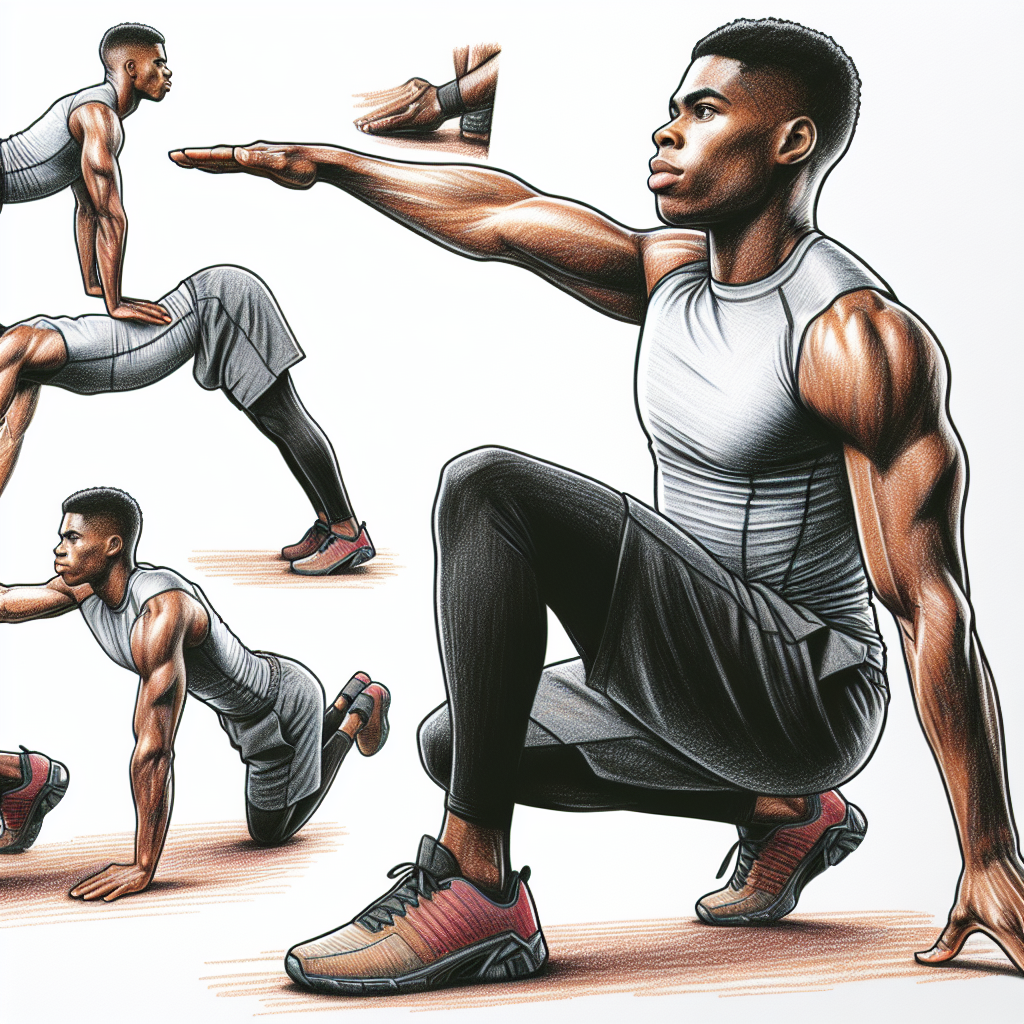
Calisthenics, a form of exercise relying solely on body weight, is an excellent option for beginners looking to enhance their strength, flexibility, and endurance without the need for specialized equipment. This approach fosters functional fitness and can be performed anywhere, making it not only accessible but also incredibly convenient. Whether you are a busy professional or a stay-at-home parent, dedicating a few minutes each day can yield remarkable results. For those seeking structured guidance, consider a free 30-day exercise program where you can achieve significant results with just six minutes of daily commitment: 30-Day Exercise Program.
- Understanding Calisthenics
- Benefits of No-Equipment Workouts
- Essential Exercises for Beginners
- Creating Your Own Workout Routine
- Common Myths and Misconceptions
- When to Seek Professional Guidance
- Frequently Asked Questions
Understanding Calisthenics
Calisthenics embodies a variety of exercises that involve moving your body against gravity. Unlike weight lifting, calisthenics emphasizes the use of your own body weight, making it unique and adaptable. Core movements such as push-ups, pull-ups, and squats are foundational and can be modified to match individual fitness levels. This versatility is what enhances its appeal across various age groups and fitness backgrounds.
Benefits of No-Equipment Workouts
Engaging in calisthenics offers numerous advantages:
- Cost-Effective: Requires no gym membership or equipment.
- Flexibility: Can be performed anywhere, from your living room to a park.
- Progressive Overload: Easy to modify exercises for increased difficulty.
- Functional Strength: Improves the ability to perform everyday tasks.
- Community: Often encourages camaraderie and can be done in groups.
Essential Exercises for Beginners
Starting your calisthenics journey involves mastering a few key exercises. Here are some that form the cornerstone of a beginner’s workout routine:
Push-Ups
This classic exercise strengthens the chest, shoulders, and triceps. Start on your knees if full push-ups are too challenging.
Squats
Wonderful for building lower body strength and stability. Ensure your knees stay aligned with your toes.
Planks
Engages the entire core. Maintain a straight line from your head to your heels.
Burpees
A full-body exercise that improves cardiovascular fitness and strength. Ideal for increasing intensity.
Lunges
Enhances leg strength and balance. Variations include walking lunges and reverse lunges.
Creating Your Own Workout Routine
Building a customized workout plan can add structure to your training. Here’s a simple guide to get you started:
- Warm-Up: Spend 5 minutes performing dynamic stretches or jogging in place.
- Select Exercises: Choose 3-5 exercises from the essential list.
- Set Repetitions: Aim for 8-12 repetitions per exercise for a balanced routine.
- Rest Period: Allow 30-60 seconds of rest between exercises.
- Cool Down: Dedicate 5-10 minutes to static stretching post-workout.
When to Seek Professional Guidance
While calisthenics is accessible to many, there are instances when consulting a professional may be wise. Consider seeking assistance in the following scenarios:
- If you experience persistent pain in any area during or after exercising.
- When you’re unsure about proper form, as this can lead to injury.
- If you have pre-existing health conditions that could impact your ability to exercise.
- When you’re looking for advanced programming or specific goal-oriented training.
Common Myths and Misconceptions
Despite its increasing popularity, several myths about calisthenics persist:
- Myth 1: Calisthenics is only for young people.
- Myth 2: You cannot build muscle without weights.
- Myth 3: You need to exercise for long hours to see results.
- Myth 4: It is less effective than traditional bodybuilding.
Frequently Asked Questions
What is the best beginner exercise in calisthenics?
Push-ups are excellent for beginners, as they engage multiple muscle groups while also allowing for modifications.
How often should I practice calisthenics?
For beginners, aim for 3-4 sessions per week to establish a solid foundation.
Can I lose weight with no-equipment workouts?
Yes, combining bodyweight exercises with a balanced diet can effectively promote weight loss.
Are calisthenics workouts suitable for seniors?
Absolutely, calisthenics can be adapted for seniors, focusing on low-impact movements and flexibility.
What is the importance of warm-ups and cool-downs?
They help prevent injury, prepare your body for exercise, and facilitate recovery post-workout.
Can I do calisthenics if I have limitations due to injury?
It’s essential to consult with a healthcare professional before starting any exercise program if you have existing injuries.
Conclusion
- Calisthenics is an adaptable workout method suitable for all ages.
- No equipment is necessary, making it accessible for everyone.
- Key exercises like push-ups and squats serve as excellent foundational movements.
- Building a routine can enhance the effectiveness of your workouts.
- Consult a professional if you experience pain or have health concerns.
Start your calisthenics journey today and explore the myriad of benefits it offers. Remember, you can join a free 30-day exercise program that requires just six minutes a day: 30-Day Exercise Program.
Author: John Angel