
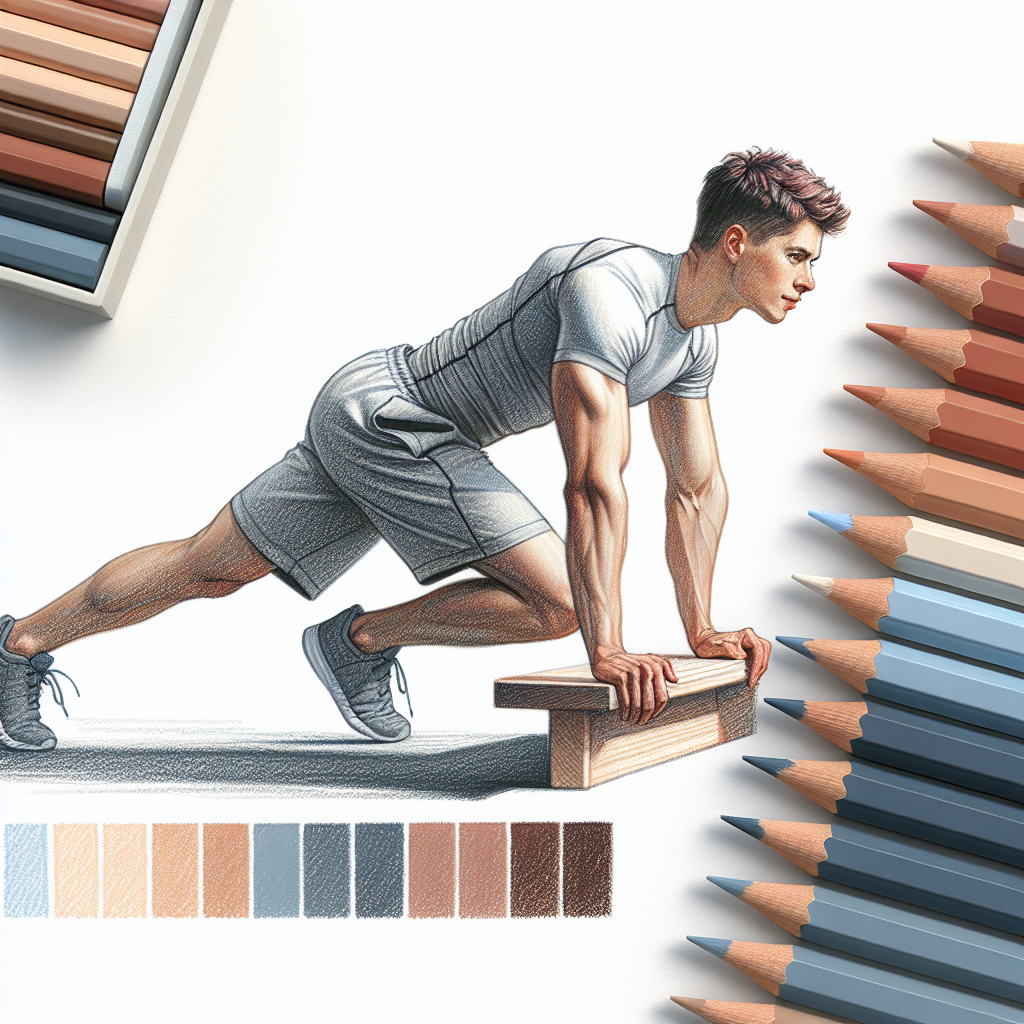
Calisthenics, a form of exercise that utilizes body weight for resistance, offers an accessible and highly effective workout solution. This beginner calisthenics workout plan requires no equipment and can be performed anywhere, making it an ideal option for those looking to improve their fitness levels without the need for a gym membership. In this article, we will outline a structured plan that emphasizes body control, strength, and flexibility—a foundation for your fitness journey.
- Understanding Calisthenics and Its Benefits
- Basic Principles of a Calisthenics Workout
- Beginner Workout Plan
- How to Progress in Calisthenics
- When to Consult a Professional
- Common Misconceptions About Calisthenics
- FAQs
- Conclusion
Understanding Calisthenics and Its Benefits
Calisthenics involves performing exercises that promote body control, strength, and flexibility using your own body weight. The primary benefits include improved muscular endurance, increased flexibility, enhanced cardiovascular health, and the convenience of being able to work out anywhere. Another tremendous advantage is the low injury risk, especially for beginners, since the movements are more natural and often less stressful on the joints compared to traditional weightlifting.
Basic Principles of a Calisthenics Workout
Engaging in calisthenics requires understanding a few key principles:
- Body Awareness: Recognizing how your body moves and how to maintain control is essential to performing exercises safely and effectively.
- Progression: Start with simpler variations of exercises and gradually increase their difficulty as your strength and skill improve.
- Consistency: Regular practice is crucial. Aim for daily or near-daily workouts to see tangible results.
Beginner Workout Plan
This beginner calisthenics workout plan is designed to target all major muscle groups with a focus on overall fitness. You can perform these exercises in about 20-30 minutes, three to four times a week. Each session will include the following components:
- Warm-Up (5 minutes)
- Jumping Jacks: 1 minute
- Arm Circles: 30 seconds each direction
- Leg Swings: 30 seconds each leg
- Workout (15-20 minutes)
- Push-Ups: 3 sets of 8-12 repetitions
- Bodyweight Squats: 3 sets of 12-15 repetitions
- Plank: 3 sets of 20-30 seconds
- Glute Bridges: 3 sets of 12-15 repetitions
- Burpees: 3 sets of 5-8 repetitions
- Cool Down (5 minutes)
- Standing Forward Bend: 30 seconds
- Seated Hamstring Stretch: 30 seconds each leg
- Child’s Pose: 1 minute
For a more guided approach, consider trying out a free 30-day exercise program that allows you to achieve results with just 6 minutes of exercise per day: Join the program here.
How to Progress in Calisthenics
As you become more comfortable with these exercises, you can introduce more advanced movements or increase the repetitions and sets. Here are a few strategies for progression:
- Increase Repetitions: Gradually add more reps to each set.
- Modify Exercises: Use more challenging variations, such as incline push-ups or single-leg squats.
- Shorten Rest Times: Reduce the time you rest between sets to build endurance.
When to Consult a Professional
While calisthenics can be a safe and enjoyable form of exercise for most, several signs may indicate that you should seek professional advice:
- Persistent pain or discomfort during or after exercise
- Inability to perform basic movements due to stiffness or weakness
- Unusual dizziness or shortness of breath
Consulting a qualified fitness trainer or healthcare professional can help address these concerns and guide you toward safe exercise practices.
Common Misconceptions About Calisthenics
Despite its benefits, misunderstandings about calisthenics can deter individuals from trying it. Some of the most common myths include:
- Calisthenics is Only for Young People: In truth, individuals of all ages can benefit from calisthenics.
- Bodyweight Exercises Do Not Build Muscle: Adequately performed, calisthenics can promote muscle growth and strength.
- Only Advanced Athletes Can Practice Calisthenics: Beginners are just as welcome and can rapidly improve with proper guidance.
FAQs
Can I do calisthenics at home?
Yes, calisthenics exercises are designed to be performed anywhere without the need for equipment, making them excellent for home workouts.
How often should I train as a beginner?
Begin with three to four sessions per week and gradually increase frequency as your fitness improves.
What should I focus on first?
Start with mastering basic movements like push-ups, squats, and planks to build a strong foundation.
Can I lose weight with calisthenics?
Yes, calisthenics can help you lose weight when combined with a balanced diet, as it increases calorie expenditure.
Are there any risks of injury with calisthenics?
While generally low-risk, improper form or overexertion can lead to injuries; focus on technique and listen to your body.
Can calisthenics improve my flexibility?
Yes, many calisthenics exercises promote flexibility, particularly when paired with proper warm-up and cooldown routines.
Conclusion
- Calisthenics is an effective, no-equipment workout accessible to everyone.
- Consistency and body awareness are key to progress and injury prevention.
- Focus on mastering basic exercises before progressing to more advanced variations.
- Consult a professional if you experience pain or discomfort during workouts.
- Embrace the misconception that calisthenics is only for athletes; beginners are welcome!
Start your journey into calisthenics today, and take advantage of a 30-day free exercise program that requires just 6 minutes daily: Sign up now.
Author: John Angel