Embarking on a fitness journey can be intimidating, especially for beginners. However, a full-body workout using just your body weight offers an accessible route to strength, flexibility, and endurance without the need for any equipment. In this article, we will guide you through an effective beginner-friendly workout that can be done anywhere, ensuring you develop a well-rounded fitness base. This approach not only saves time and money but can also promote consistency in achieving your fitness goals.
- Understanding Full Body Workouts
- The Benefits of No-Equipment Workouts
- Effective Beginner Full Body Exercises
- Creating Your Workout Routine
- When to Consult a Professional
- Common Myths and Mistakes
- FAQs
Understanding Full Body Workouts
A full-body workout focuses on engaging multiple muscle groups in a single session, making it an excellent choice for beginners. This technique optimizes your time and allows you to develop overall strength and coordination. The body weight exercises included in this program ensure that you utilize your own resistance, which is essential for building muscle and improving endurance.
The Benefits of No-Equipment Workouts
- Convenience: No need for gym access or complex setups; you can work out at home or anywhere.
- Cost-Effective: Eliminates gym memberships and expensive equipment purchases.
- Adaptability: Exercises can be modified for different fitness levels, making it suitable for everyone.
- Improved Mobility: Focuses on natural movement patterns that enhance overall agility and flexibility.
Effective Beginner Full Body Exercises
Selecting the right exercises is crucial. Below is a list of effective full-body exercises that require no equipment:
- Bodyweight Squats: Strengthen the legs and core.
- Push-Ups: Engage the chest, shoulders, and triceps.
- Plank: Develop core stability and strength.
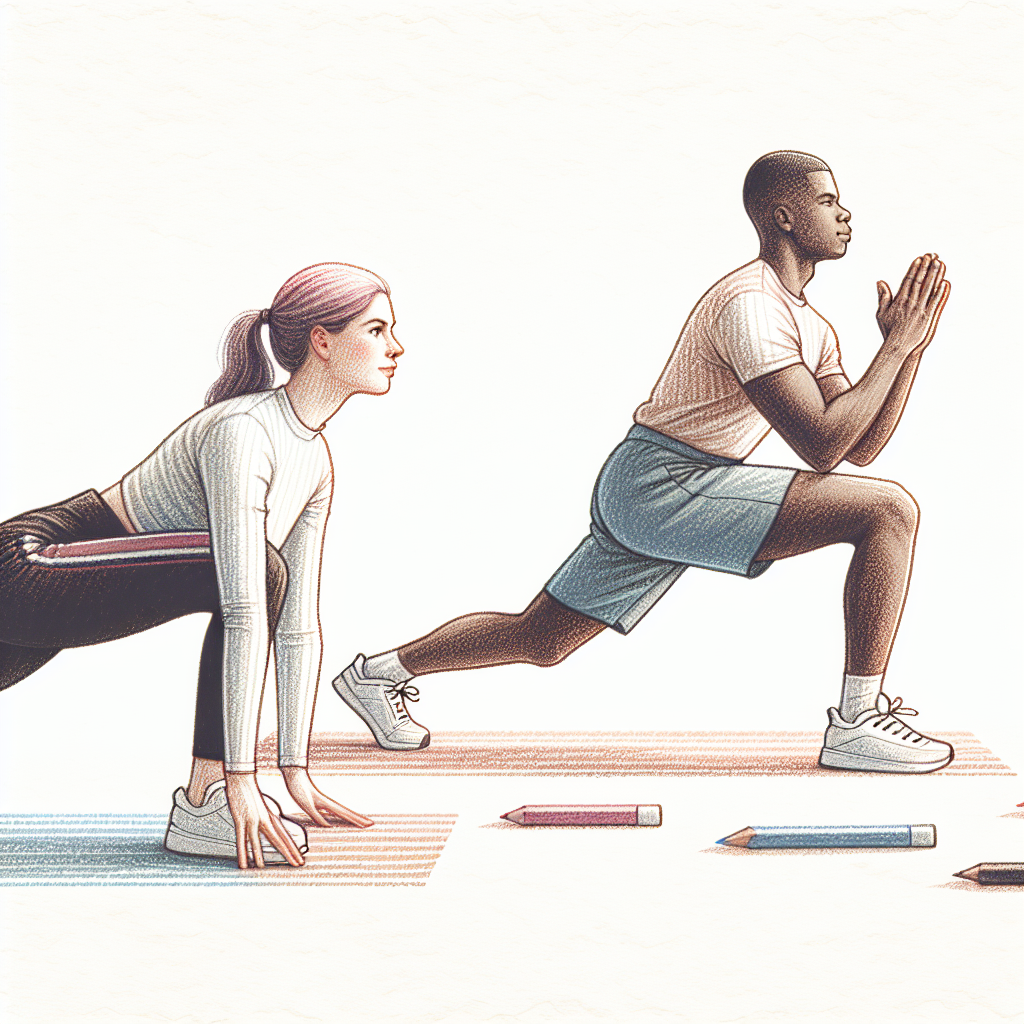
- Lunges: Target legs and improve balance.
- Burpees: A full-body exercise that enhances cardiovascular fitness.
- Mountain Climbers: Boost heart rate while working the core and legs.
Creating Your Workout Routine
A structured routine significantly enhances results. Here’s how to design an efficient full-body workout:
- Warm-Up: Begin with 5-10 minutes of light cardio, such as jogging in place or dynamic stretches.
- Workout: Choose 4-5 exercises from the list above and perform each for 10-15 repetitions, with 30 seconds rest between sets.
- Cool Down: Conclude with stretching to enhance flexibility and aid recovery.
For additional support, consider registering for a free 30-day exercise program, designed to yield gym-like results in just 6 minutes of daily workouts. You can sign up here.
When to Consult a Professional
While bodyweight workouts can be beneficial, certain situations warrant consultation with a fitness professional or healthcare provider:
- If you have underlying health conditions.
- Experiencing chronic pain or discomfort during exercise.
- If you’re unsure about proper form or technique, risking injury.
- Looking for personalized fitness guidance tailored to your specific goals.
Common Myths and Mistakes
When starting a new workout program, many misconceptions can hinder progress. Here are some common myths:
- Myth 1: You need equipment to build strength.
- Myth 2: More repetitions always lead to better results.
- Myth 3: Bodyweight exercises are inferior to weightlifting.
- Myth 4: Skipping rest days is essential for faster results.
These myths can lead to frustration and demotivation. Understanding the efficacy of bodyweight training is essential for maintaining a positive outlook on your fitness journey.
FAQs
What is a full body workout?
A full-body workout involves exercises that engage all major muscle groups in one session, promoting balanced strength and endurance.
Can I really get fit without gym equipment?
Yes, bodyweight exercises can effectively build strength, flexibility, and endurance without the need for equipment.
How often should I do a full-body workout?
Aim for 2-3 full-body workouts per week, allowing adequate recovery between sessions.
Are bodyweight exercises suitable for beginners?
Absolutely, bodyweight exercises can be easily modified to suit all fitness levels, making them ideal for beginners.
What is a good warm-up before a workout?
Light cardio such as walking or jogging in place, along with dynamic stretches, is an effective warm-up.
How long should my workouts last?
For beginners, aim for 20-30 minutes per session, which includes warm-up and cool-down activities.
Conclusion
- A full-body workout with no equipment can be effective and convenient for beginners.
- Recognizing the benefits of bodyweight exercises helps in maintaining motivation.
- Creating a structured routine maximizes your workout efficiency.
- Consulting a professional when necessary ensures you stay safe and effective.
- Understanding myths around bodyweight training helps in fostering a positive mindset.
Begin your fitness journey today with commitment and effort. Remember to check the free 30-day exercise program that requires only 6 minutes a day for effective results. Let your fitness transformation start now!
Author: John Angel