
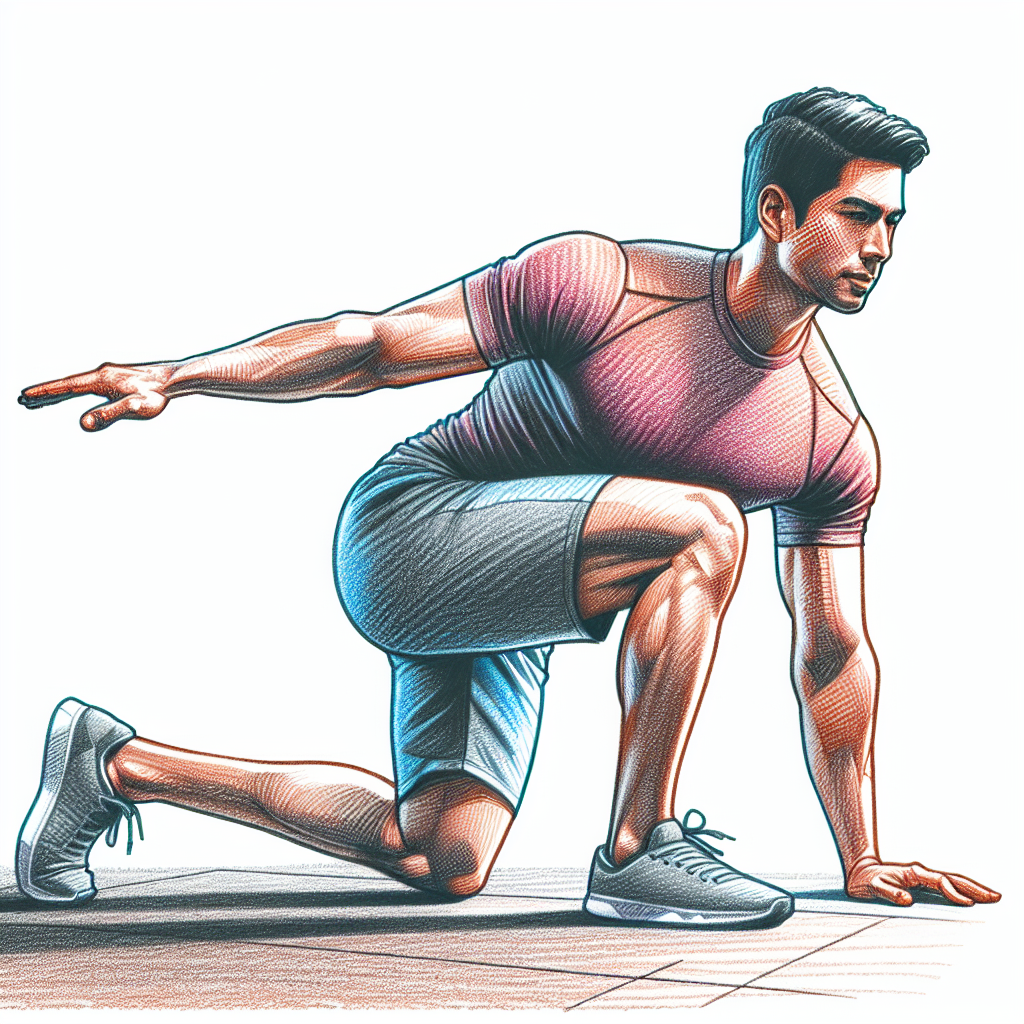
Embarking on a fitness journey doesn’t always require an elaborate gym setup or expensive equipment. A well-structured leg workout can be effectively performed in the comfort of your own home, utilizing only your body weight. This beginner leg workout not only strengthens your lower body but also enhances overall fitness and flexibility. Through consistent practice, you can tone your legs and improve your fitness level without any financial investment.
- Understanding the Importance of Leg Workouts
- Your Beginner Leg Workout Routine
- Step-by-Step Guide to Each Exercise
- Common Misconceptions about Bodyweight Workouts
- When to Seek Professional Guidance
- FAQs
Understanding the Importance of Leg Workouts
Leg workouts play a crucial role in any fitness regimen. The muscles in your legs, including the quadriceps, hamstrings, glutes, and calves, are not only vital for mobility but also support the majority of your body’s movements. Engaging in leg exercises can contribute to better balance, stability, and core strength. Furthermore, strong legs assist in various physical activities and prevent injury. Given their significance, focusing on leg exercises can yield a multitude of benefits.
Your Beginner Leg Workout Routine
This no-equipment leg workout is designed for beginners and can be performed anywhere. The following routine includes basic exercises targeting major muscle groups in the legs. Below is a simple plan you can follow:
- Bodyweight Squats
- Lunges
- Glute Bridges
- Calf Raises
- Wall Sit
Step-by-Step Guide to Each Exercise
Bodyweight Squats
Stand with your feet shoulder-width apart. Lower your hips back and down as if sitting in a chair, keeping your chest lifted and knees over your toes. Push through your heels to return to the starting position.
Lunges
From a standing position, take a step forward with one leg and lower your body until both knees are bent at 90 degrees. Push back to the starting position and switch legs.
Glute Bridges
Lie on your back with your knees bent and feet flat on the floor. Raise your hips towards the ceiling by squeezing your glutes, then lower back down.
Calf Raises
Stand with your feet hip-width apart. Lift your heels off the ground as high as possible, then slowly lower them back down.
Wall Sit
Lean against a wall with your back and slide down until your thighs are parallel to the floor. Hold this position for as long as you can.
Common Misconceptions about Bodyweight Workouts
Many people underestimate the effectiveness of bodyweight exercises, believing that they cannot yield significant results compared to weighted exercises. However, bodyweight workouts can enhance strength, endurance, and flexibility when performed correctly and consistently. Another common myth revolves around the notion that bodyweight exercises are too easy. While they may seem accessible to beginners, they can be challenging and can be adapted to suit different fitness levels by increasing repetitions or shortening rest periods.
When to Seek Professional Guidance
While most individuals can safely engage in bodyweight leg workouts, it is crucial to consult a qualified professional if you experience pain or discomfort during exercises. Signs that may warrant professional intervention include:
- Persistent knee or joint pain
- Inability to perform a movement without severe discomfort
- Signs of injury, including swelling or bruising
- Pre-existing conditions that affect mobility
- Difficulty maintaining proper form throughout exercises
FAQs
1. Can I perform these exercises every day?
Yes, you can perform leg workouts daily, but ensure you listen to your body. Rest days are essential for muscle recovery.
2. How many repetitions should I start with?
Begin with 8-12 repetitions for each exercise, adjusting as needed based on your current fitness level.
3. Is a warm-up necessary before starting the workout?
Yes, warming up is essential to prevent injuries. A short 5-minute warm-up, such as brisk walking or light stretching, is recommended.
4. Can I add variations to these exercises?
Absolutely! Once you master the basics, you can challenge yourself by adding variations or increasing your reps.
5. How can I track my progress?
Keeping a workout journal to log exercises and repetitions over time can help you see your progress and stay motivated.
6. Is it effective to combine this workout with other routines?
Yes, integrating leg workouts with upper body and core exercises can provide a balanced fitness regimen and enhance overall body strength.
Conclusion
- Leg workouts are essential for overall fitness and mobility.
- This beginner-friendly routine requires no equipment and can be performed anywhere.
- Maintain proper form to prevent injuries and maximize effectiveness.
- Consult a professional if you experience any significant discomfort.
- Consider joining a structured program, like a 30-day six-minute exercise plan, for additional guidance and motivation. You can register for free here.
Begin your journey towards stronger legs and enhanced fitness today. Consistency is key, and with dedication, you can achieve impressive results.
Author: John Angel