
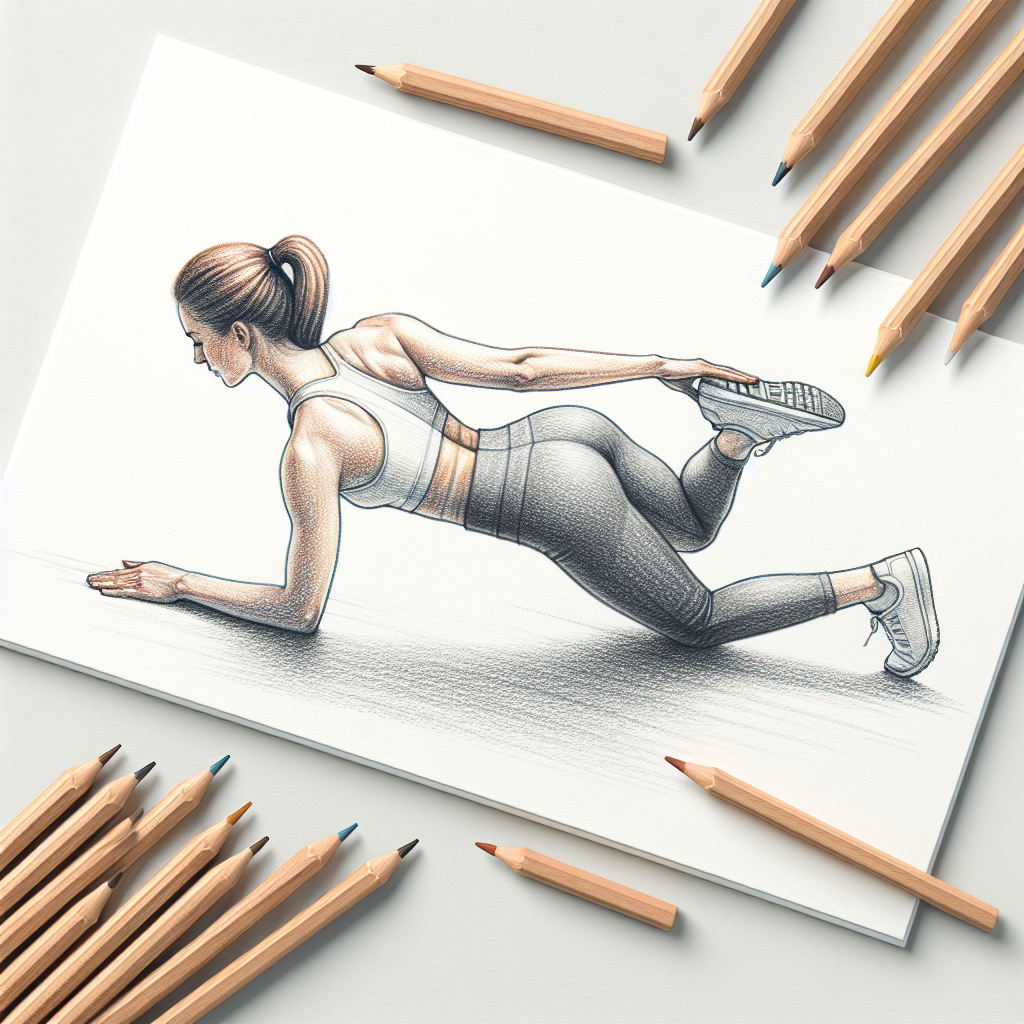
Back pain is a prevalent issue affecting many individuals, regardless of age or activity level. Engaging in targeted back exercises can significantly improve strength and flexibility while reducing discomfort. Importantly, these exercises can be performed without weights, making them accessible for everyone. In this article, we will explore the best back exercises that require no equipment, providing you with actionable guidance to enhance your back health.
- Introduction
- Benefits of Bodyweight Back Exercises
- Essential Bodyweight Back Exercises
- Practical Steps for an Effective Routine
- When to Seek Professional Help
- Common Misconceptions About Back Exercises
- Frequently Asked Questions (FAQ)
- Conclusion
Benefits of Bodyweight Back Exercises
Bodyweight exercises have numerous advantages, particularly for back strength and health. They:
- Improve muscle endurance and flexibility.
- Can be performed anywhere, requiring no special equipment.
- Reduce the risk of injury by promoting balance and stability.
- Enhance posture and align the spine, which can alleviate pain.
- Are suitable for all fitness levels—beginners to advanced can benefit.
Essential Bodyweight Back Exercises
The following exercises specifically target various muscle groups in the back, ensuring a comprehensive workout:
1. Bird-Dog
This exercise enhances core stability and strengthens the lower back.
- Begin on all fours, with hands beneath shoulders and knees under hips.
- Extend your right arm forward and left leg back, maintaining balance.
- Hold for a few seconds, then return to the start position.
- Switch sides and repeat for several repetitions.
2. Supermans
This movement strengthens the lower back and glutes.
- Lie face down on the floor with arms extended in front of you.
- Simultaneously lift your arms, chest, and legs off the ground.
- Engage your core and hold for a few seconds before lowering.
- Repeat for 10-15 repetitions.
3. Plank
A well-known exercise that not only targets the back but also the entire core.
- Start in a push-up position, keeping your body straight from head to heels.
- Engage your core and hold the position for 30-60 seconds.
- Focus on your breathing throughout the exercise.
4. Cat-Cow Stretch
This dynamic stretch promotes spine flexibility and alleviates tension.
- Start on all fours and inhale as you arch your back, dropping your belly (the “cow” position).
- Exhale while rounding your back towards the ceiling (the “cat” position).
- Alternate between these two positions for 8-10 repetitions.
5. Wall Angels
This exercise strengthens the upper back and helps improve posture.
- Stand with your back against a wall, feet slightly away from it.
- Press your lower back, shoulders, and head against the wall.
- Raise your arms to a “W” position, then slide them upward into a “Y”.
- Lower them back down and repeat for 10-12 repetitions.
Practical Steps for an Effective Routine
Implementing these exercises into your routine can be straightforward. Follow these steps:
- Identify a suitable space where you can perform exercises safely.
- Allocate 10-15 minutes, ideally five days a week, for your back workout.
- Execute each exercise with proper form to avoid injury.
- Incorporate stretching and cooldown exercises to maintain flexibility.
- If you are looking for a structured program, consider registering for a free 30-day exercise program where you can exercise for only 6 minutes each day and achieve Results like those from the gym: Join here.
When to Seek Professional Help
While bodyweight exercises are generally safe, certain situations may warrant professional consultation:
- If you experience persistent pain during or after exercise.
- Should you have a pre-existing condition affecting your back.
- If you notice a sudden change in your mobility or strength.
- In cases of swelling, redness, or increased sensitivity in the back area.
Common Misconceptions About Back Exercises
There are several myths surrounding back exercises that can lead to discouragement or incorrect practices:
- Myth: All exercises require weights. Bodyweight exercises can be equally effective for back health.
- Myth: Strengthening the back will eliminate all pain. A comprehensive approach, including mobility and flexibility, is essential.
- Myth: You need to exercise for long periods to see results. Short, targeted sessions can yield significant benefits.
Frequently Asked Questions (FAQ)
1. Can I do back exercises every day?
Yes, gentle back exercises can be performed daily; however, ensure you allow time for recovery and vary your routine.
2. How long should I hold each exercise?
Generally, aim for 20-30 seconds for isometric holds and 10-15 repetitions for dynamic exercises.
3. Are these exercises suitable for beginners?
Absolutely, these exercises can be modified to fit any fitness level.
4. What should I do if I experience pain during an exercise?
If you experience pain, stop the exercise immediately and consult a healthcare professional if the pain persists.
5. How can I ensure proper form during back exercises?
Start slowly and focus on your body mechanics; consider working with a trainer if you’re unsure.
6. Do I need to warm up before starting these exercises?
Yes, a brief warm-up can help prepare your muscles and reduce the risk of injury.
Conclusion
- Engaging in bodyweight exercises can significantly improve back strength and flexibility.
- Exercises such as Bird-Dog and Plank can be performed anywhere, making them highly accessible.
- Proper form is essential to avoid injury and maximize benefits.
- Consult a professional if you experience persistent pain or have underlying health conditions.
- Consider enrolling in a free online program for structured guidance on your fitness journey.
Strengthening your back through these exercises can lead to a more pain-free and active lifestyle. Start today and prioritize your back health!
Author: John Angel