
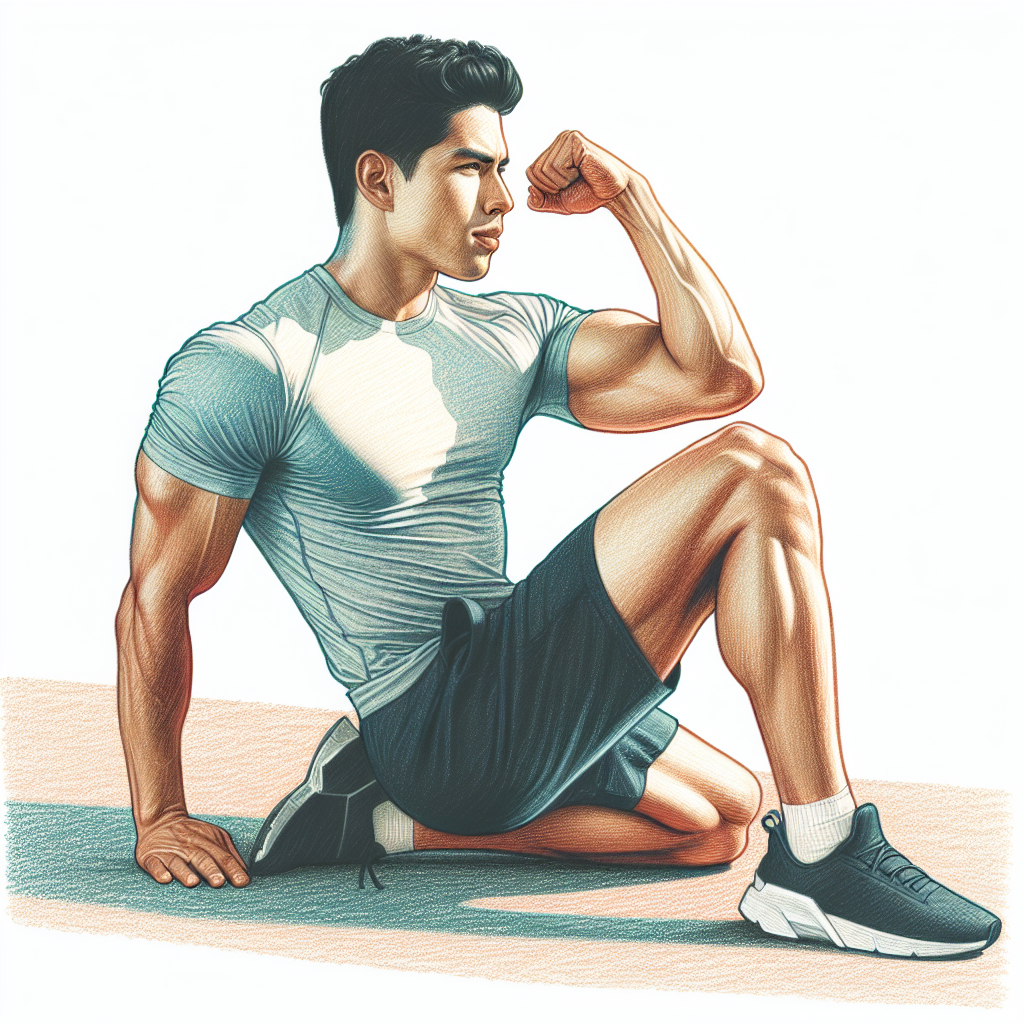
Best Full Body Exercises No Equipment
In the modern world, fitness has become increasingly accessible, with many individuals seeking ways to improve their physical health without the need for a gym membership or expensive equipment. Full body exercises serve as an efficient means to engage multiple muscle groups simultaneously, promoting strength, endurance, and overall wellness. This article presents a selection of effective full body exercises that require no equipment, ensuring that anyone, regardless of their fitness level, can join in and achieve substantial results.
- Understanding Full Body Exercises
- Key Benefits of No-Equipment Workouts
- Effective Full Body Exercises
- Step-by-Step Instructions
- Myths and Common Misconceptions
- When to Consult a Professional
- Frequently Asked Questions
- Conclusion
Understanding Full Body Exercises
Full body exercises target various muscle groups, providing a comprehensive workout that challenges multiple areas simultaneously. Unlike isolation exercises, which focus on one muscle group, full body exercises offer a more balanced approach to fitness. They are particularly beneficial for those with limited time, as they maximize caloric burn and enhance functional strength.
Key Benefits of No-Equipment Workouts
Operations that do not require equipment offer several advantages:
- Accessibility: Anyone can do these exercises anywhere, anytime.
- Cost-effective: You save money by not investing in gym memberships or equipment.
- Flexibility: With no need for special equipment, workouts can be done in small spaces.
- Versatility: Exercises can be modified for various fitness levels.
- Core Engagement: Many bodyweight movements naturally engage the core, improving overall stability.
Effective Full Body Exercises
Here is a compilation of effective full body exercises that require no equipment:
- Push-Ups: Engage the chest, shoulders, triceps, and core.
- Squats: Target the legs, glutes, and core.
- Lunges: Work on legs and stability while engaging the core.
- Burpees: Combine a squat, push-up, and jump, providing a full body workout.
- Mountain Climbers: Great for cardiovascular fitness and core strength.
- Plank: A powerful move that engages the entire body, focusing on the core.
Step-by-Step Instructions
To effectively incorporate these exercises into your routine, consider the following steps:
- Begin with a 5-to-10-minute warm-up, such as jogging in place or dynamic stretching.
- Choose 3 to 5 of the exercises listed above.
- Perform each exercise for 30 to 60 seconds, interspersing brief rest periods of 15 to 30 seconds.
- Complete 2 to 4 rounds, depending on your fitness level.
- Conclude with a cool-down period, incorporating static stretches to enhance flexibility.
For a guided approach, consider registering for a 30-day exercise program where you only need to dedicate 6 minutes a day while achieving results comparable to more substantial gym sessions.
Myths and Common Misconceptions
Numerous misunderstandings surround the concept of bodyweight exercises:
- Myth 1: You can’t build muscle without weights.
- Myth 2: Bodyweight exercises are less effective than weight-lifting.
- Myth 3: Only experienced athletes can do full body exercises effectively.
- Myth 4: Bodyweight workouts are only for beginners.
In reality, bodyweight exercises can stimulate significant muscle growth and improve strength and endurance for individuals across all fitness levels.
When to Consult a Professional
While many individuals can safely engage in bodyweight workouts, certain circumstances may necessitate professional consultation. Consider seeking guidance if:
- You experience persistent pain during or after exercise.
- You have pre-existing medical conditions affecting your ability to exercise.
- You are recovering from an injury.
- You are unsure about proper exercise form and technique.
Frequently Asked Questions
Can I build muscle without equipment?
Yes, bodyweight exercises can effectively promote muscle growth and overall strength.
How often should I perform full body workouts?
Generally, 3-4 times a week is beneficial for optimal results.
Is it safe for beginners?
Absolutely. Many bodyweight exercises can be modified to suit beginners.
Can I lose weight with no-equipment workouts?
Yes, when combined with a balanced diet, these workouts can contribute to weight loss.
How long should a no-equipment workout last?
A well-rounded session can last between 20 to 40 minutes, depending on your fitness level.
Do I need to warm-up before starting?
Yes, a warm-up is crucial to prepare your body and prevent injuries.
Conclusion
- Full body exercises offer a comprehensive approach to fitness.
- No equipment is necessary, making exercise accessible to everyone.
- Integrating these workouts can save time and enhance effectiveness.
- Understanding common misconceptions can motivate individuals to start.
- Consulting with a professional is advised in certain circumstances for safety.
Embarking on a fitness journey need not be complicated. By incorporating these full body exercises, you can cultivate a sustainable and effective workout routine. Consider registering for a 30-day exercise program that adapts to your lifestyle, allowing you to achieve remarkable results in just 6 minutes a day.
Author: John Angel