In today’s fast-paced world, the prospect of maintaining physical fitness without access to a gym can seem daunting. However, an effective full-body workout can be achieved without any equipment at all. Engaging in regular, equipment-free exercises not only enhances your physical health but also contributes positively to mental well-being. Furthermore, with just six minutes a day, you can embark on a transformative journey with noticeable results—discover how by registering for a free 30-day exercise program here.
- Understanding Full-Body Workouts
- Benefits of No-Equipment Workouts
- Key Full-Body Exercises
- Sample Full-Body Workout Routine
- When to Seek Professional Guidance
- Common Misconceptions about Bodyweight Training
- Frequently Asked Questions
Understanding Full-Body Workouts
A full-body workout engages multiple muscle groups in a single session, promoting overall strength and conditioning. Unlike traditional split routines that isolate specific muscles, full-body workouts are time-efficient and can be performed anywhere, making them ideal for busy individuals or those without gym access. These workouts typically focus on core, lower body, and upper body exercises, ensuring a holistic approach to fitness.
Benefits of No-Equipment Workouts
Training without equipment offers a myriad of benefits:
- Accessibility: No need for a gym membership or equipment purchase.
- Flexibility: Workouts can be completed at home, in a park, or while traveling.
- Cost-effective: Eliminate financial barriers associated with fitness training.
- Improved Functional Strength: Enhance real-world strength by training your body as a single unit.
- Enhanced Mind-Body Connection: Focus on form and breathing without distractions.
Key Full-Body Exercises
Incorporating a variety of exercises can maximize the effectiveness of your full-body workout. Below are some essential no-equipment exercises:
- Push-Ups: Strengthen the chest, shoulders, and triceps.
- Squats: Engage the legs and glutes while promoting core stability.
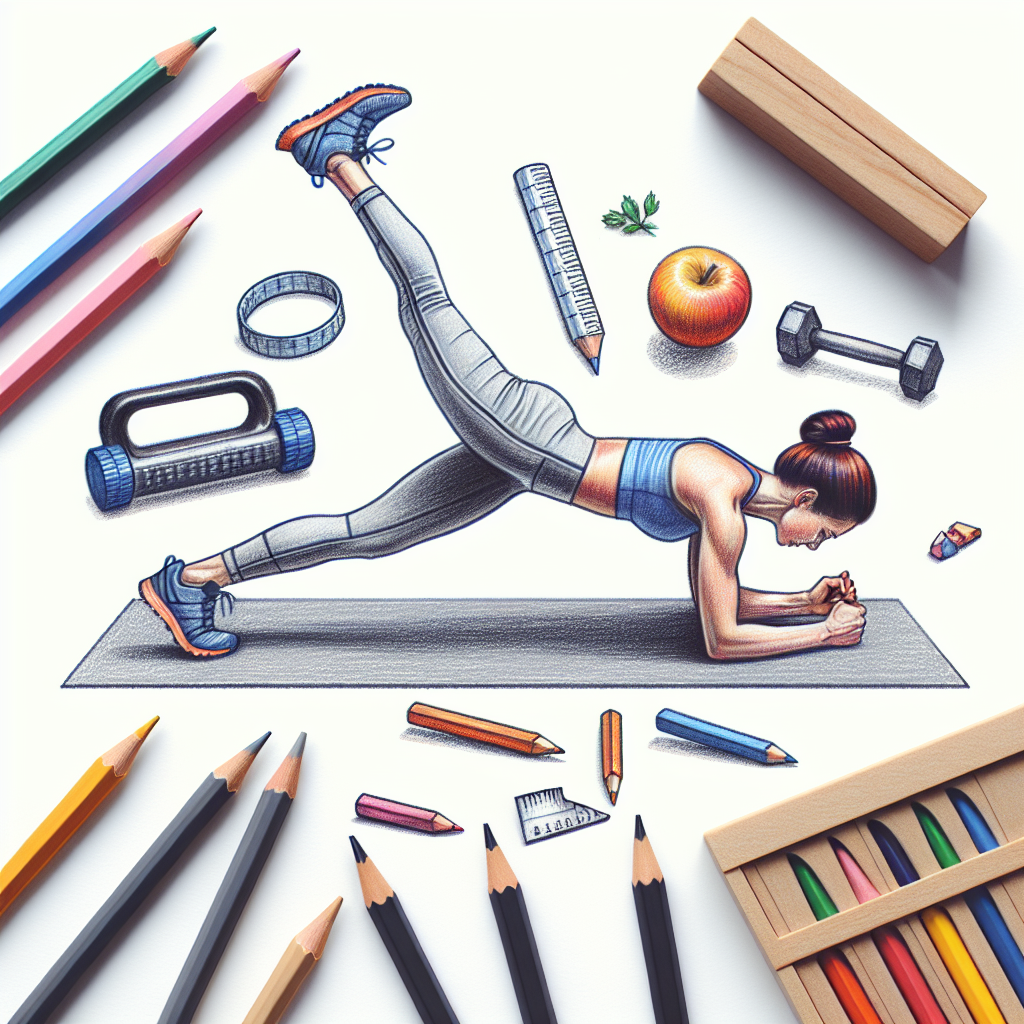
- Planks: Develop core strength and endurance.
- Lunges: Work the legs while improving balance and flexibility.
- Burpees: A full-body conditioning exercise that builds cardiovascular endurance.
- Mountain Climbers: Enhance agility, balance, and core strength.
Sample Full-Body Workout Routine
This simple yet effective routine requires no equipment and can be completed in under six minutes:
- Warm-up (1 minute): Perform jumping jacks to elevate your heart rate.
- Push-ups (30 seconds): Aim for as many repetitions as possible while maintaining form.
- Bodyweight Squats (30 seconds): Focus on depth and stability.
- Plank (30 seconds): Keep your body straight and engage your core.
- Lunges (30 seconds): Alternate legs and maintain posture.
- Burpees (30 seconds): Combine a squat with a push-up and a jump.
- Cool Down (1 minute): Stretch major muscle groups, focusing on breathing.
When to Seek Professional Guidance
While many individuals can perform bodyweight exercises safely, certain situations warrant professional guidance. Seek advice from a qualified trainer or healthcare professional if you experience:
- Chronic pain or discomfort during exercise.
- Limited mobility or prior injuries affecting physical activity.
- A medical condition that might impact your ability to exercise safely.
- Uncertainty about the correct form or technique.
Common Misconceptions about Bodyweight Training
Bodyweight training is often surrounded by myths that may deter individuals from engaging in these effective workouts. Here are some common misconceptions:
- It’s Not Challenging: Bodyweight exercises can be incredibly challenging when performed correctly.
- Only for Beginners: Individuals at all fitness levels can benefit by modifying exercises.
- Less Effective than Weight Training: Bodyweight training can build muscle and promote fat loss just as effectively.
- Requires More Time: Short, high-intensity bodyweight workouts can yield impressive results.
Frequently Asked Questions
Can I build muscle with bodyweight exercises?
Yes, bodyweight exercises can effectively build muscle by increasing resistance through variations and intensity.
How often should I perform full-body workouts?
Aim for 2-4 full-body workouts per week, allowing for rest and recovery between sessions.
What are the best beginner exercises?
Push-ups, bodyweight squats, and planks are excellent starting points for beginners.
Is warm-up necessary before a workout?
Yes, warming up is essential to prepare your muscles and prevent injury.
How can I modify exercises for greater difficulty?
To increase difficulty, consider adding repetitions, altering the tempo, or incorporating isometric holds.
Can bodyweight workouts help with weight loss?
Yes, when coupled with a balanced diet, bodyweight workouts can effectively aid in weight loss through calorie expenditure.
Conclusion
- Full-body workouts without equipment are accessible and effective.
- These routines promote overall fitness, strength, and well-being.
- Essential exercises include push-ups, squats, and planks.
- Consult a professional if you experience pain or have medical concerns.
- Dispelling myths can encourage more individuals to embrace bodyweight training.
Embark on your fitness journey today with our free 30-day exercise program, dedicating just six minutes a day to achieve results akin to a gym routine. Sign up here.
Author: John Angel