
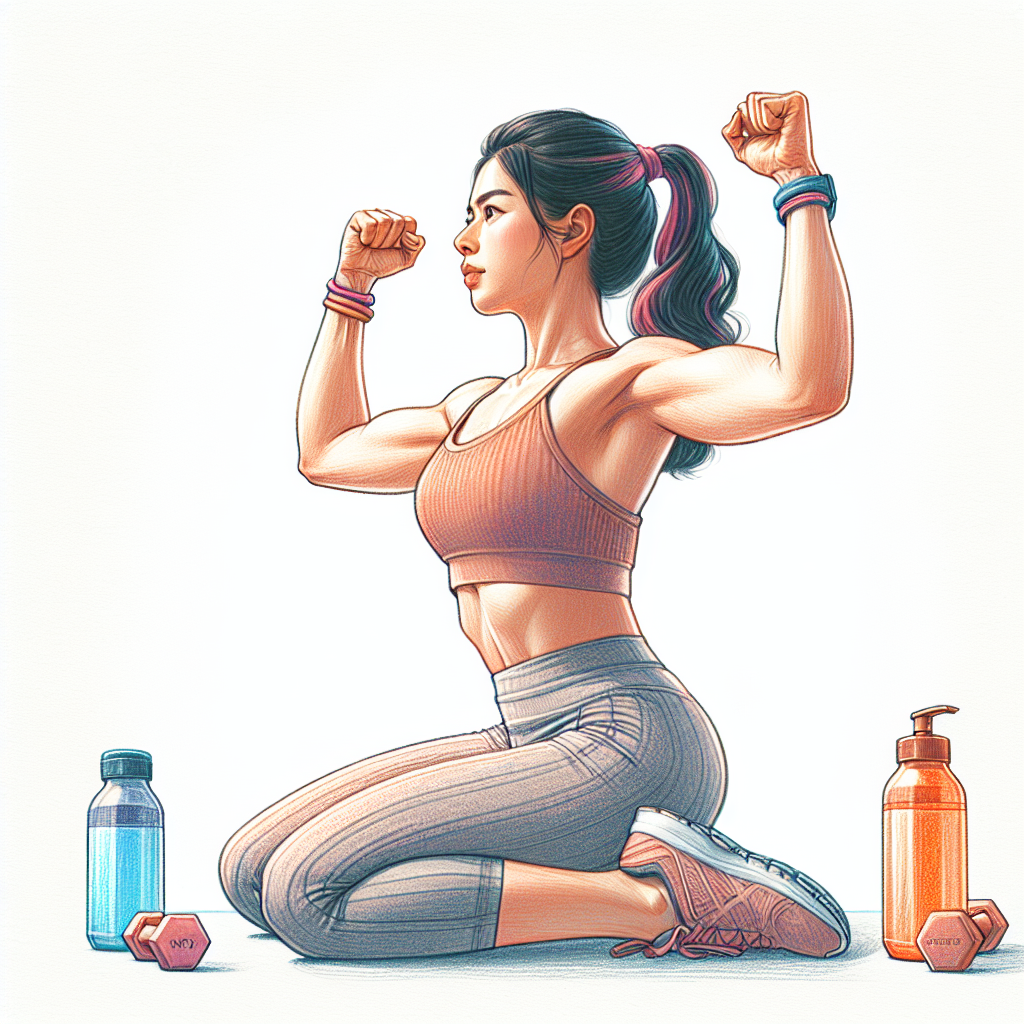
In a world where time is often a luxury, finding effective workouts that require no weights can significantly enhance your fitness routine. Bodyweight exercises offer a unique solution, allowing individuals to build strength, flexibility, and endurance without the need for equipment. Such exercises can be performed anywhere and can be tailored to fit your personal fitness level, making them accessible to all.
- Introduction
- Benefits of No-Weight Workouts
- Best No-Weight Exercises
- Designing Your Routine
- Common Mistakes to Avoid
- When to Consult a Professional
- FAQ
- Conclusion
Benefits of No-Weight Workouts
No-weight workouts offer a myriad of advantages:
- Accessibility: Require no equipment and can be done anywhere.
- Versatility: Can be tailored to different fitness levels and goals.
- Functional Strength: Enhance overall physical performance for daily activities.
- Core Engagement: Many bodyweight exercises heavily engage the core, improving stability.
- Reduced Risk of Injury: Lower chance of injury as the body learns to move without external loads.
Best No-Weight Exercises
Incorporating a variety of exercises helps target different muscle groups. Here are some top no-weight exercises:
- Push-Ups: Targets the chest, shoulders, and triceps.
- Squats: Engages the legs, glutes, and core.
- Planks: Strengthens the core and stabilizing muscles.
- Lunges: Works the thighs and glutes, promoting balance.
- Burpees: A full-body exercise that builds strength and endurance.
- Mountain Climbers: Great for cardio and engaging core muscles.
Designing Your Routine
A well-structured workout routine can provide maximum results. Consider the following steps:
- Warm-Up: Always start with a 5-10 minute warm-up to prepare your body.
- Choose Exercises: Select 4-6 exercises from the list above.
- Set Repetitions: Aim for 10-15 repetitions of each exercise.
- Rest: Include rest intervals of 30 seconds between sets.
- Cooldown: Finish with a 5-10 minute cooldown and stretching.
For a structured approach, consider registering for a 30-day exercise program where you only need to exercise for 6 minutes each day to achieve significant results.
Common Mistakes to Avoid
When engaging in no-weight workouts, it’s crucial to avoid common pitfalls to maximize your efficiency:
- Poor Form: Incorrect posture can lead to injury; focus on maintaining proper technique.
- Skipping Warm-Up: Always warm up to prevent strains and injuries.
- Inadequate Progression: Gradually increase intensity and complexity as you improve.
- Neglecting Breathing: Proper breathing is vital; exhale during exertion.
- Rushing Through Reps: Focus on controlled movements over speed.
When to Consult a Professional
While no-weight workouts are generally safe, certain situations require the attention of a qualified professional:
- If you experience persistent pain during or after your workouts.
- If you have pre-existing health conditions or injuries that may be exacerbated by bodyweight exercises.
- When you’re unsure about proper techniques, particularly for unfamiliar exercises.
- If you’re seeking personalized routines that cater to specific fitness goals.
FAQ
Can I build muscle without weights?
Yes, bodyweight exercises can effectively build muscle by utilizing your own body resistance.
How often should I perform no-weight workouts?
Aim for at least 3-5 times a week for optimal results, depending on your fitness level.
Are no-weight workouts effective for weight loss?
Yes, when combined with proper nutrition, no-weight workouts can aid in weight loss through calorie burning and muscle building.
Can beginners do bodyweight exercises?
Absolutely, no-weight workouts are suitable for beginners and can be modified based on fitness levels.
How long should I spend on each workout?
Typically, 20 to 30 minutes is sufficient for a complete no-weight workout, including warm-up and cool-down.
Is it safe to do no-weight workouts at home?
Yes, as long as you maintain proper form and choose a safe, clear space for your exercises.
Conclusion
- No-weight workouts improve strength, flexibility, and endurance.
- These exercises can be performed anywhere, making them highly accessible.
- Proper technique and a structured routine enhance effectiveness and reduce injury risk.
- Avoid common mistakes to maximize your workout efficiency.
- Consult a professional if you experience pain or have specific fitness needs.
Take the first step in enhancing your fitness journey by exploring no-weight workouts. For a simple start, consider registering for a 30-day exercise program that requires only 6 minutes of your day.
Author: John Angel