Bodyweight training is a transformative fitness approach that utilizes the resistance of one’s own body to build strength, flexibility, and endurance. During your weight loss journey, this type of training offers an effective way to shed pounds without the need for specialized equipment or a gym membership. The allure of bodyweight training lies not only in its simplicity but also in its capacity to align with a modern lifestyle centered around convenience and efficiency.
- Understanding Bodyweight Training
- Benefits of Bodyweight Workouts
- How to Incorporate Short Workouts at Home
- When to Consult a Professional
- Common Myths and Misconceptions
- FAQs
Understanding Bodyweight Training
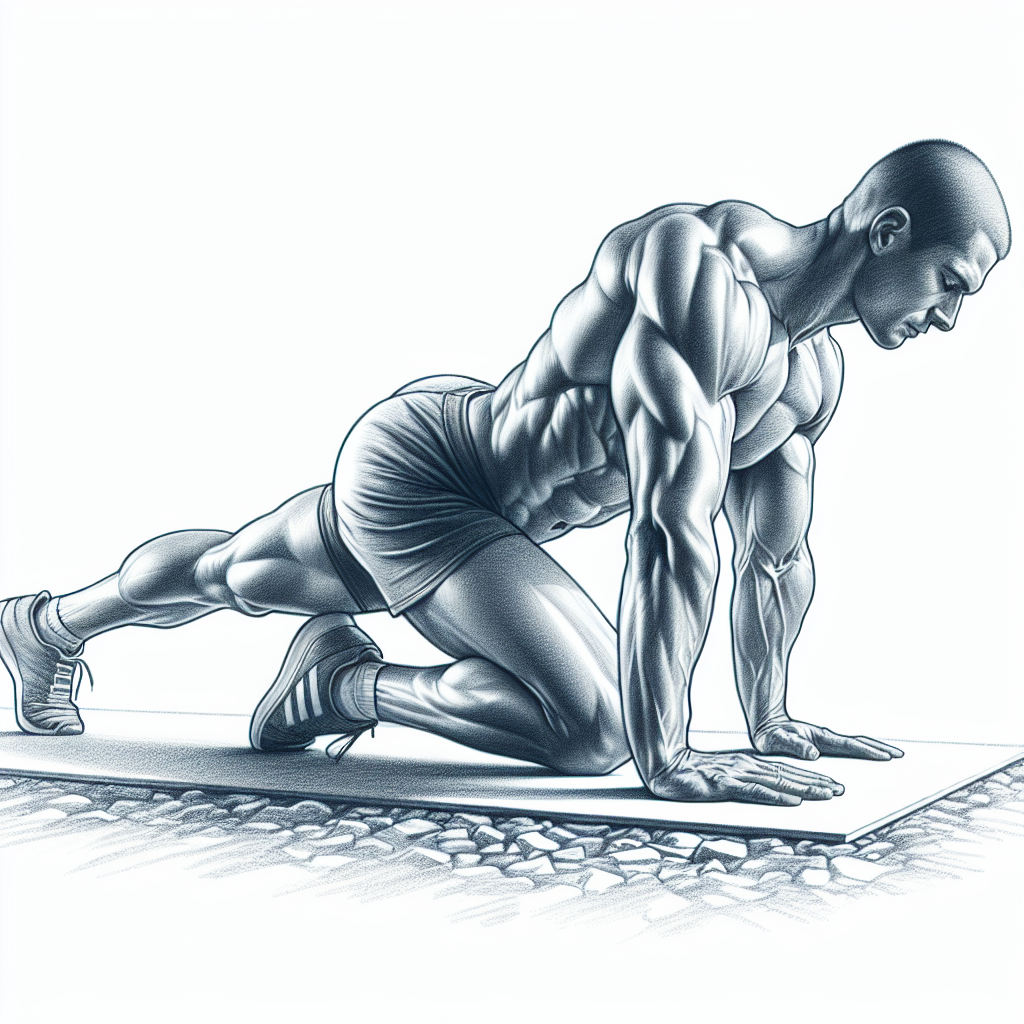
Bodyweight training comprises exercises that leverage your body weight as resistance. Common movements include push-ups, squats, lunges, and planks, which can be performed anywhere and at any time. This form of exercise is remarkably versatile and adaptable, catering to various fitness levels, from beginners seeking to enhance their overall health to seasoned athletes aiming to maintain or supplement their training regimen.
Benefits of Bodyweight Workouts
The advantages of bodyweight training extend far beyond mere convenience. Here are several key benefits:
- Accessibility: No equipment is needed, allowing you to train at home, in a park, or even in a hotel room.
- Cost-Effective: Free from the need for gym memberships or equipment purchases, making it budget-friendly.
- Customizable: Exercises can be modified to fit individual fitness levels and goals.
- Functional Strength: Enhances strength in movements you perform daily, improving overall functionality.
- Time-Efficient: You can achieve effective workouts in as little as six minutes, making it easier to fit into a busy schedule.
- Improved Core Stability: Many bodyweight exercises engage the core, enhancing balance and stability.
How to Incorporate Short Workouts at Home
The magic of six-minute workouts lies in their ability to provide substantial benefits in a short amount of time. Here’s how to implement these sessions effectively:
- Choose Your Exercises: Select 2-3 bodyweight exercises targeting different muscle groups. For instance, consider squats, push-ups, and burpees.
- Set a Timer: Allocate six minutes for your workout. This allows for focused effort without overwhelming yourself.
- Work in Intervals: Perform each exercise for 30 seconds, followed by a 10-second rest before transitioning to the next exercise.
- Repeat: Aim for 2-3 rounds, adjusting the intensity based on your fitness level and goals.
- Stay Consistent: Aim to conduct these short workouts at least 3-4 times a week to see noticeable results over time.
- Consider Joining a Program: Explore structured routines like the SixPack workout program, which offers a 30-day free trial tailored to maximize your training efficiency.
When to Consult a Professional
While bodyweight training is generally safe and beneficial, certain situations warrant professional advice:
- If you experience pain during workouts that persists even after rest.
- In the presence of pre-existing health conditions, particularly cardiovascular or orthopedic concerns.
- If you are unsure about proper form or technique, as incorrect execution can lead to injuries.
- For personalized workout plans that account for specific goals or limitations.
Common Myths and Misconceptions
Despite its advantages, bodyweight training is often surrounded by misunderstandings. Here are some common myths:
- Myth 1: Bodyweight training is only for beginners. Reality: Advanced individuals can also benefit from it through variations and intense routines.
- Myth 2: You can’t build muscle without weights. Reality: Weight loss and muscle gain can effectively occur with progressive bodyweight exercises.
- Myth 3: Bodyweight workouts are not intense enough. Reality: Short, focused workouts can provide significant intensity and effectiveness.
- Myth 4: You require a lot of space to train at home. Reality: Many exercises can be performed in a small area, making it feasible for anyone.
FAQs
What is bodyweight training?
Bodyweight training is a form of strength training that uses the weight of your body as resistance in various exercises.
Can bodyweight training help with weight loss?
Yes, bodyweight training can significantly aid in weight loss, especially when combined with a balanced diet and regular activity.
How often should I do bodyweight workouts?
Aim for at least 3-4 times a week to see optimal results while allowing adequate rest and recovery.
Are bodyweight exercises effective for building muscle?
Yes, you can build muscle effectively through progressive challenges in bodyweight exercises, such as increasing repetitions or modifying movements.
Do I need equipment for bodyweight training?
No, one of the main advantages of bodyweight training is that it requires no specialized equipment.
How long should a bodyweight workout last?
A workout can be as short as six minutes and still be effective if performed with intensity and proper form.
Conclusion
- Bodyweight training offers an accessible and efficient way to improve fitness without the need for equipment.
- Short workouts can fit seamlessly into busy lifestyles, making them an ideal option for many individuals.
- The benefits of bodyweight training encompass improved strength, flexibility, and overall health.
- Address any concerns with a professional when experiencing pain or seeking personalized guidance.
- Dispelling myths surrounding bodyweight training can enhance perceptions and encourage its adoption.
Explore the potential of your weight loss journey today by joining the SixPack workout program for 30 days for free, and discover the magic of quick, effective workouts at home!
Author: John Angel