
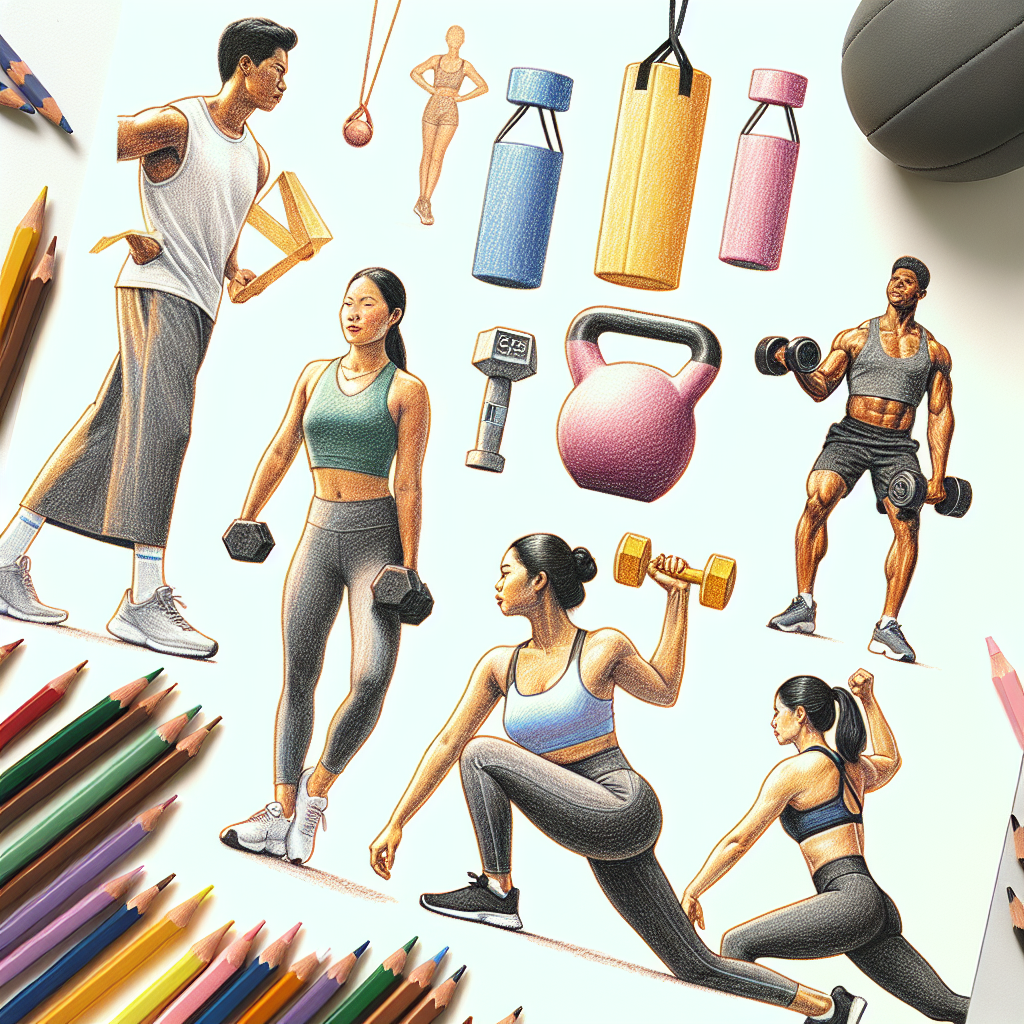
Weight training is often overlooked when it comes to weight loss, yet it offers unmatched benefits that can significantly enhance your weight loss journey. Engaging in resistance training not only helps in burning calories but also builds muscle, increases metabolism, and improves overall body composition. For those looking to shed weight while optimizing their health, understanding how weight training integrates into a broader fitness regimen is essential.
- Understanding Weight Training and Its Role in Weight Loss
- The Benefits of Short, Effective Workouts
- How to Structure Your Weight Training Program
- Common Misconceptions About Weight Training and Weight Loss
- When to Consult a Professional
- FAQ: Your Common Questions Answered
- Conclusion and Next Steps
Understanding Weight Training and Its Role in Weight Loss
Weight training, often considered synonymous with bodybuilding, is a powerful tool in your weight loss arsenal. This form of exercise involves exerting your muscles against weights, whether they be free weights, machines, or even your body weight. Resistance training elevates your heart rate while simultaneously challenging muscle groups, making it a dual-action approach for fat loss. Each session encourages post-exercise oxygen consumption, allowing your body to continue to burn calories long after your workout has concluded.
The Benefits of Short, Effective Workouts
In today’s fast-paced world, finding time for lengthy workout sessions can be daunting. However, the magic of six-minute short workouts at home lies in their efficiency. With a focus on high-intensity, compound movements, these brief workouts can deliver the same benefits as longer sessions. Here are some advantages:
- Time-Efficiency: Even the busiest schedules can accommodate six minutes of exercise.
- Flexibility: These workouts can be performed anywhere, requiring minimal or no equipment.
- Consistency: The quick format often leads to higher adherence rates, making it easier to incorporate into daily routines.
- Immediate Impact: Short workouts can boost endorphin levels quickly, improving mental wellbeing.
Embracing short workouts can revolutionize your fitness routine, allowing you to prioritize physical health without sacrificing time.
How to Structure Your Weight Training Program
Creating an effective weight training program for weight loss involves understanding your fitness level and setting realistic goals. Here is a straightforward approach to get you started:
- Identifying Goals: Define whether your primary aim is fat loss, muscle gain, or overall fitness.
- Scheduling Workouts: Aim for at least three weight training sessions per week, incorporating a mix of upper and lower body exercises.
- Incorporating Compound Movements: Focus on exercises like squats, deadlifts, and bench presses, which engage multiple muscle groups.
- Varying Intensity: Use progressive overload by gradually increasing the weight or resistance used during your workouts.
- Short Workouts: Implement six-minute targeted workouts that you can seamlessly integrate into your day.
For a guided approach to short workouts, consider registering for the SixPack workout program for 30 days for free.
Common Misconceptions About Weight Training and Weight Loss
Despite its benefits, several misconceptions about weight training persist. Clarifying these can help you in your weight loss journey:
- Myth 1: Lifting weights makes you bulky. In reality, weight training helps create a toned physique by promoting muscle definition.
- Myth 2: Cardio is more effective for weight loss than weight training. Resistance training enhances muscle mass, which can boost resting metabolism.
- Myth 3: You need to train for hours to see results. Short, intense workouts can yield significant benefits when performed consistently.
- Myth 4: Weight training is only for young individuals. People of all ages can benefit from strength training to maintain muscle mass and improve bone health.
When to Consult a Professional
While many people can embark on their weight loss journey independently, there are instances when consulting a qualified professional is vital:
- If you are uncertain about how to perform certain exercises correctly, a certified trainer can provide guidance to prevent injury.
- If you have pre-existing health conditions or are recovering from an injury, it is crucial to seek professional advice before beginning a new workout regimen.
- If you feel overwhelmed or are struggling to make progress, a trainer can help tailor a program to fit your unique needs and goals.
FAQ: Your Common Questions Answered
Can I lose weight with weight training alone?
Yes, while combining it with cardio is beneficial, weight training can effectively aid in weight loss when performed regularly.
How often should I do weight training for weight loss?
Aim for at least three sessions per week, targeting various muscle groups.
Are six-minute workouts really effective?
Absolutely! Short, high-intensity workouts can maximize calorie burn and fit seamlessly into busy schedules.
Will weight training help me tone my body?
Yes, weight training promotes muscle definition and enhances your overall body composition.
How should I structure my weight training routine?
Focus on a mix of upper and lower body exercises, using compound movements and increasing intensity over time.
Is weight training safe for everyone?
While generally safe, those with pre-existing health conditions should consult a healthcare professional before starting a new program.
Conclusion and Next Steps
- Weight training is an effective component of a successful weight loss journey.
- Short, six-minute workouts can maximize efficiency and lead to better adherence.
- A well-structured program focuses on varied exercises and gradually increasing intensity.
- Understanding and dispelling misconceptions about weight training can enhance your approach.
- Consult professionals when needed to ensure safe and effective training.
As you embark on your weight loss journey, remember that consistency and a positive mindset are key to achieving lasting results. Consider taking the first step by signing up for the SixPack workout program for 30 days for free and experience the benefits firsthand.
Author: John Angel