
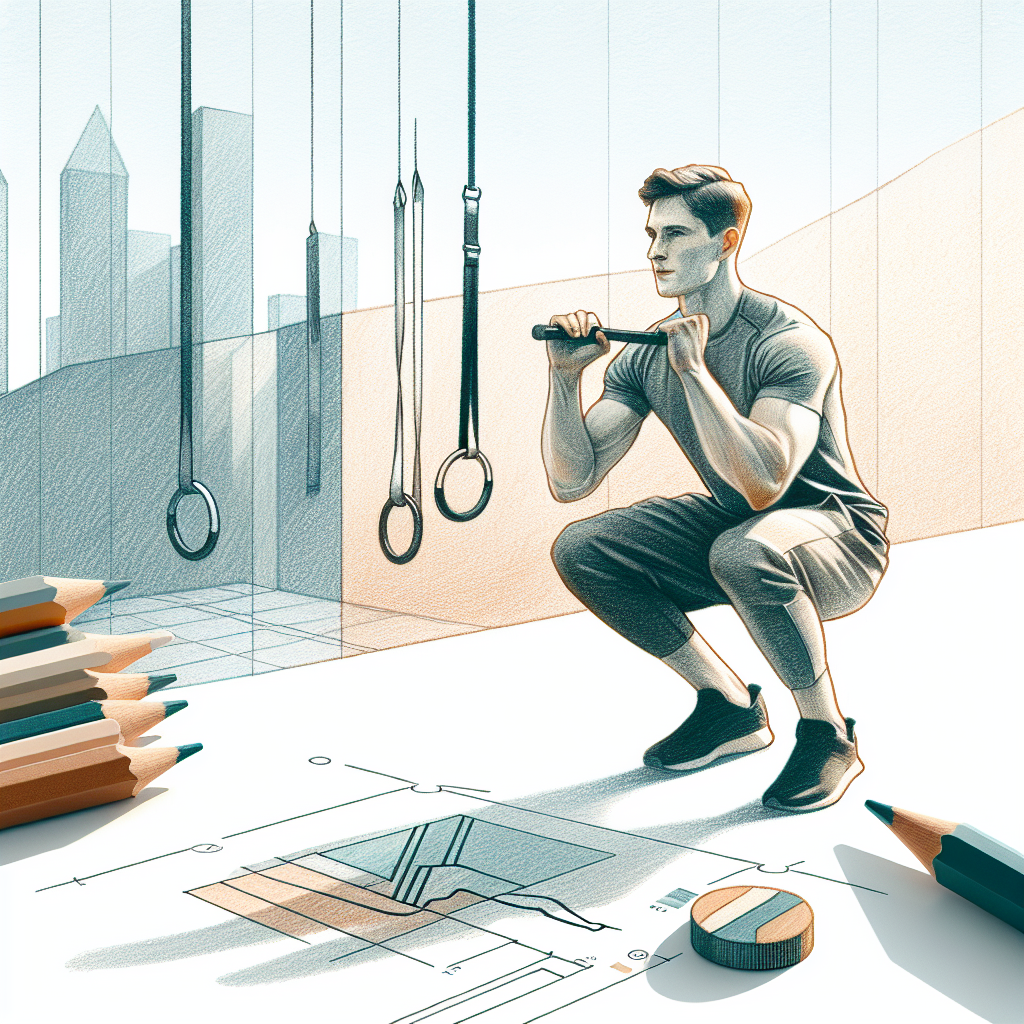
Calisthenics is a highly effective form of exercise that leverages your body weight to build strength, flexibility, and endurance. For beginners, it offers an accessible way to enhance fitness without the need for specialized equipment or a gym membership. By adhering to a structured routine, individuals can achieve impressive results that rival traditional workouts, often in a time-efficient manner. This article will guide you through the essential aspects of calisthenics for beginners, empowering you to embark on your fitness journey confidently.
- Understanding Calisthenics
- Getting Started: Essential Movements
- Designing Your Routine
- When to Consult a Professional
- Common Myths and Misconceptions
- FAQs
- Conclusion
Understanding Calisthenics
Calisthenics, derived from the Greek words “kalos” (beautiful) and “sthenos” (strength), involves a variety of movements that utilize body weight for resistance. This form of exercise can be performed almost anywhere and requires no gym-related apparatus. Fundamental benefits include improved cardiovascular health, increased muscle strength, and enhanced agility. Moreover, the progressive nature of calisthenics allows practitioners of all levels to challenge themselves as their fitness improves.
Getting Started: Essential Movements
To lay a strong foundation in calisthenics, it is important to master basic movements. The following exercises form the core of a calisthenics routine:
- Push-Ups: Engage the chest, shoulders, and triceps. Start on your knees if full push-ups are too challenging.
- Pull-Ups: Target the back and biceps. If you lack equipment, utilize a sturdy horizontal surface.
- Squats: Focus on the quadriceps, hamstrings, and glutes. Ensure you maintain proper form to avoid injury.
- Planks: Strengthen the core. Begin with a 20-second hold and gradually increase your duration.
- Lunges: Work the legs and improve balance. Alternate legs with each repetition.
Designing Your Routine
Creating a structured routine is essential for consistent progress. A simple yet effective approach can be summarized in the following steps:
- Frequency: Aim to exercise 3-5 times per week. Consistency is key.
- Variety: Include different exercises to challenge various muscle groups and prevent boredom.
- Progression: Gradually increase repetitions or sets as you build strength. Consider integrating advanced variations.
- Warm-Up: Always begin with a brief warm-up to prevent injuries.
- Cooldown: Incorporate stretching post-workout to enhance recovery.
When to Consult a Professional
While calisthenics is generally safe, certain situations warrant professional guidance. If you experience persistent pain, discomfort during exercise, or any significant physical limitation, it is advisable to consult a qualified health professional. This is particularly important for individuals with pre-existing conditions or those recovering from injury. A tailored program from a fitness expert can optimize your training and ensure safe progression.
Common Myths and Misconceptions
Several myths surrounding calisthenics may discourage beginners from trying this beneficial exercise form. Here are a few prevalent misconceptions:
- Only for Advanced Athletes: Calisthenics is adaptable for all fitness levels, including beginners.
- Limited to Strength Training: Many calisthenics exercises also enhance agility and cardiovascular fitness.
- Requires Equipment: While optional equipment exists, most calisthenics can be performed without any tools.
- Slow Results: With discipline and a structured routine, beginners can achieve visible progress in a matter of weeks.
FAQs
What are the advantages of calisthenics compared to weightlifting?
Calisthenics improves functional strength, flexibility, and endurance and can be performed anywhere without equipment, making it highly accessible.
How often should beginners practice calisthenics?
Beginners should aim for 3-5 sessions per week, gradually increasing frequency and intensity as they progress.
Can I lose weight by practicing calisthenics?
Yes, when combined with a balanced diet, calisthenics can be effective for weight loss, especially due to its high-energy expenditure.
Is it safe for older adults?
Calisthenics can be performed safely by older adults, provided they start with beginner-level exercises and consult a healthcare professional.
How can I modify exercises for increased difficulty?
To challenge yourself, increase repetitions, choose advanced variations, or reduce rest time between sets.
Where can I find a structured exercise program?
For a convenient option, consider registering for a free 30-day exercise program where you only need to commit to 6 minutes per day. This program is designed to yield results akin to a traditional gym routine. You can sign up here: 30-Day Exercise Program.
Conclusion
- Calisthenics offers an effective and accessible way for beginners to improve fitness without equipment.
- Mastering basic movements can set the foundation for a successful routine.
- A structured approach helps ensure consistency and progress.
- Consult a professional when necessary to ensure safety and effectiveness.
- Awareness of myths can help overcome barriers to entry for new practitioners.
Embark on your calisthenics journey today. Remember, gradual progress is key, and the most important part is to start and stay committed. Your stronger, healthier self awaits!
Author: John Angel